 Anacortes Siding
 Exterior Work Built for Similk Beach's Waterfront Conditions
Similk Beach sits along the water on Fidalgo Island, tucked between Anacortes and the Swinomish area near Similk Bay. It's a quieter stretch of Skagit County, but the exterior of a home here works just as hard as anywhere on the coast. Salt-laden air moves in off the bay, tree cover holds moisture against north-facing walls, and the long, wet stretch from fall through spring gives moss and mildew every opportunity they need. Homes on wooded, waterfront lots like the ones common around Similk Beach take on a different kind of wear than a house a few miles inland, and the siding, roofing, windows, and decking on them need to be chosen and installed with that in mind.
We're a local exterior contractor working throughout Anacortes and greater Skagit County, and Similk Beach is squarely in our service area. We don't treat it as a generic stop on a route — the microclimate here, with its salt exposure and shade-heavy lots, shapes how we recommend materials and how we install them.
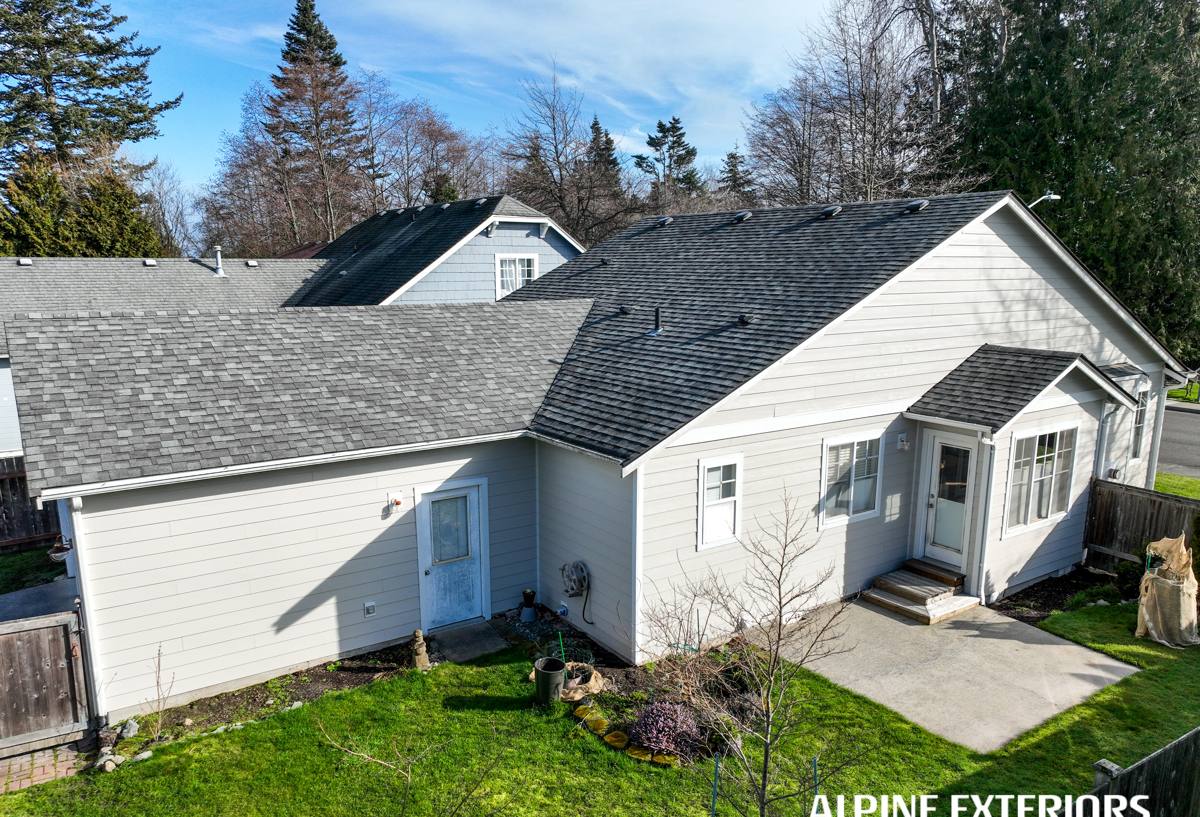
What the Climate Actually Does to a House Here
Salt Air and Metal Fasteners
Homes close to Similk Bay and the surrounding shoreline deal with airborne salt that settles on every exterior surface. Over years, that salt accelerates corrosion on exposed metal — fasteners, flashing, hinges, and trim — and it can degrade certain paints and coatings faster than a manufacturer's inland test data would suggest. Materials and fastener choices that work fine forty miles inland don't always hold up the same way a few hundred feet from the water.
Driving Rain and Wind-Driven Moisture
Skagit County gets a lot of rain, and waterfront exposure means more of it arrives sideways. Wind off the bay drives moisture into seams, laps, and trim joints that would stay dry in a calmer setting. Any siding system that depends on paint film alone to keep water out, rather than a water-resistant material underneath, is more exposed to failure here than the sales literature usually implies.
Moss, Algae, and Shaded Lots
Many Similk Beach properties sit under mature evergreen cover, which is part of the appeal of living there but also means less direct sun on north and east walls. Less sun means slower drying after rain, and slower drying means moss and algae get a head start. Roofs and shaded siding runs are the first places this shows up, usually as green-black staining and, eventually, as material degradation underneath it if it's never addressed.
Why We Install James Hardie Fiber Cement — and Nothing Else
We install James Hardie fiber cement siding exclusively. We don't offer vinyl, LP SmartSide, Cemplank, Allura, or wood products like primed spruce or cedar, and that's a deliberate standard, not a lack of options. Each of those alternatives has real strengths, but each also comes with a trade-off that we've decided isn't worth carrying on a Skagit County coastline.
- Vinyl is inexpensive and low-maintenance in mild climates, but it can warp in temperature swings and its seams and fastening tolerances give wind-driven rain more chances to get behind it.
- Wood siding (cedar, primed spruce) looks great new, but it needs ongoing refinishing, and in a shaded, moisture-heavy setting like Similk Beach it's the first material to show rot at end grain and butt joints.
- LP SmartSide and other engineered wood products perform reasonably well when installed and maintained to spec, but they're wood-based, meaning they're more sensitive to sustained moisture exposure than a cement-based product, which matters more on a shoreline lot than on a dry inland one.
- Cemplank and Allura are also fiber cement and share Hardie's core moisture and fire resistance advantages, but we've standardized on Hardie specifically for its ColorPlus factory finish and warranty structure, detailed below.
Fiber cement itself is the right category of material for this climate — it doesn't rot, it isn't a food source for moss and algae the way wood is, and it holds paint and color far longer than wood substrates. Within that category, we install Hardie because of how the company backs and finishes the product, not just the base material.
ColorPlus Factory Finish
Hardie's ColorPlus finish is baked on at the factory under controlled conditions, rather than field-painted on site. That matters in a wet climate: field-applied paint depends on dry conditions and cure time that are hard to guarantee reliably in Skagit County's weather window, and a factory finish sidesteps that risk entirely while also resisting fading and chipping better than most site-applied coatings.
HZ5 Engineering for the Pacific Northwest
Hardie makes region-specific product lines, and the HZ5 formulation is engineered for climates like ours — freeze-thaw cycles, sustained damp conditions, and the kind of moisture load a marine environment like Similk Beach produces year-round. It's not a one-size-fits-all product shipped in from a warmer, drier region.
Non-Combustible and Transferable Warranty
Fiber cement doesn't burn, which matters given Washington's wildfire seasons even on the wet side of the state. Hardie also backs its siding with a long, transferable warranty, which carries real value if the home changes hands — a meaningful point for waterfront and near-waterfront properties, which tend to see steady buyer interest.
Installation Details That Matter More on a Waterfront Lot
Fiber cement is only as good as its installation. On a salt-air, high-moisture site like Similk Beach, we pay particular attention to:
- Proper rainscreen or drainage gap behind the siding so any moisture that does get past the surface can drain and dry rather than sit against the wall sheathing
- Correct fastener spacing and type — we use fasteners suited to coastal exposure rather than the minimum the manufacturer allows for inland installs
- Flashing and kick-out details at every roof-wall intersection, window head, and deck ledger, since these are the spots where wind-driven rain finds its way in
- Caulking and joint treatment following Hardie's published installation guidelines, since improper caulking is one of the most common causes of early moisture problems on any fiber cement job, regardless of brand
- Clearance from grade, decks, and roof lines so the bottom edge of the siding isn't sitting in standing moisture or leaf litter through the wet months
The Full Exterior Envelope: Roofing, Windows, and Decks
Siding doesn't work in isolation, especially on a shaded, moisture-exposed property. We handle roofing, windows, and decks alongside siding because they all interact at the same vulnerable points — roof-to-wall transitions, window flashing, and deck ledger connections are where most water intrusion problems in this region actually start.
Roofing
Roofs on shaded Similk Beach lots deal with moss and slower drying the same way siding does. Roof condition also directly affects how well siding performs below it — poor flashing or backed-up gutters send water straight down exterior walls.
Windows
Window replacement is often the right move alongside a siding project, since it lets us address flashing and integration between the window and the new siding in one pass, rather than tying new siding into old, potentially failing window flashing.
Decks
Waterfront and view decks around Similk Beach take heavy exposure from both rain and salt air. Ledger board connections in particular are a common point of hidden rot if they weren't flashed correctly when built.
Why a Local Crew Matters Here
A crew that works regularly in Anacortes and the surrounding Skagit County shoreline knows what Similk Beach's conditions actually do to a house over time, not just in a brochure. That means recognizing early moss patterns as a drying problem rather than just a cosmetic one, understanding how local wind exposure affects flashing choices, and knowing which details fail first in a marine environment because we've seen it firsthand on other jobs nearby. It also means being realistic about scheduling — coastal Skagit County weather windows for exterior work are real, and a local crew plans around them instead of promising timelines that don't hold up.
Cost Factors to Expect
Every home and lot is different, but these are the main variables that move the price on a Similk Beach exterior project:
| Factor | Why It Matters Here |
|---|---|
| Home size and wall complexity | More corners, gables, and dormers mean more cutting, flashing, and labor time |
| Existing siding removal | Tear-off of old wood or vinyl adds labor and disposal cost versus a bare-wall install |
| Moisture damage found underneath | Shaded, waterfront lots more often reveal sheathing rot once old siding comes off |
| Access and site conditions | Waterfront lots with slopes, seawalls, or limited driveway access can affect equipment staging |
| Trim, color, and Hardie product line | HZ5 panel styles, trim boards, and ColorPlus color selection all factor into material cost |
| Combined scope | Bundling siding with roofing, windows, or a deck rebuild is usually more efficient than separate projects |
Maintenance Once the New Siding Is On
Fiber cement cuts maintenance sharply compared to wood, but a Similk Beach home still benefits from a bit of regular attention given the salt air and shade:
- Rinse siding periodically to clear salt residue and airborne debris, especially on walls facing the water
- Keep gutters clear so overflow doesn't run down siding faces
- Trim back vegetation that shades walls and keeps them from drying after rain
- Check caulking at trim joints and penetrations every year or two, since caulk failure is the most common entry point for moisture on any siding system
- Address any moss on adjacent roofing promptly, since roof runoff carries moss spores and debris onto siding below
Getting Started
If you're weighing a siding, roofing, window, or deck project for a home in Similk Beach, we're glad to come take a look and talk through what your specific lot and exposure call for. The estimate is free, there's no pressure attached, and you'll get a straight answer about what your home actually needs.