 Anacortes Siding
 Roofing on Fidalgo Island's West Side
West Anacortes sits closer to open water than most of Skagit County, and that changes what a roof has to deal with year-round. Homes here catch more wind off the Rosario Strait and Guemes Channel, more direct salt-laden air, and more shade from mature evergreens than homes further inland. None of that is a problem an asphalt shingle roof can't handle — but only if it's installed with those conditions in mind from the start. A roof detailed the same way you'd detail one in a dry inland subdivision will wear faster out here, and the failures usually show up first at the edges: fascia, valleys, and anywhere wind can get a fingertip under a shingle tab.
This page covers what we look at specifically for asphalt shingle roofing on the west side of Anacortes — the exposure issues, the install details that matter most, and what our process looks like from first inspection to final cleanup.
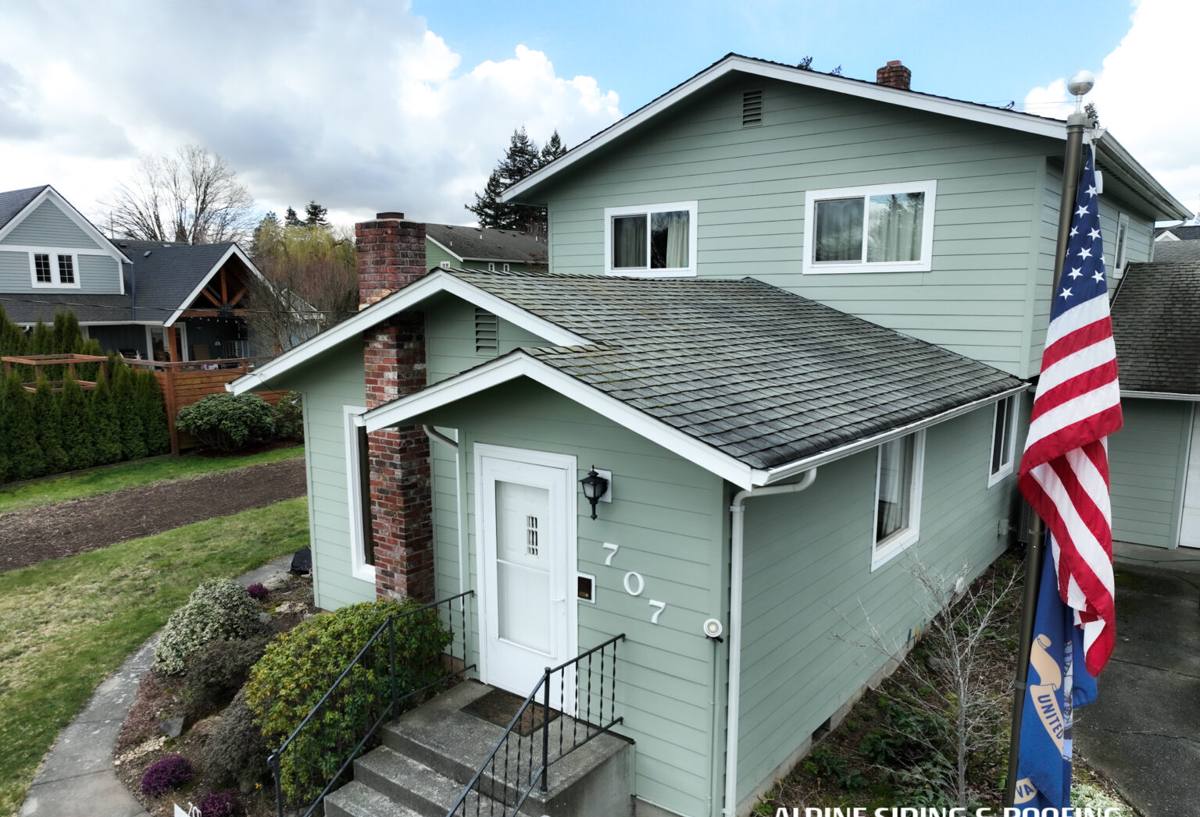
Why West Anacortes Roofs Wear Differently
Salt Air and Metal Fasteners
Airborne salt accelerates corrosion on any exposed metal — nail heads, flashing edges, gutter fasteners, and vent stacks. On a roof close to the water, standard fasteners and lower-grade flashing can start showing rust streaks well before the shingles themselves are due for replacement. We spec corrosion-resistant fasteners and flashing on west-facing and water-facing roofs for this reason, not because the manufacturer requires it everywhere, but because it's the right call for this specific exposure.
Driving Rain and Wind-Driven Water
Storms coming off the water don't just fall straight down — they push rain sideways under shingle edges, into valleys, and around vent penetrations. A roof that would shed water fine in a calm rain can leak in a wind-driven one if the underlayment, valley protection, and flashing laps aren't installed to account for that. This is one of the most common root causes we find on older roofs we're called out to repair in this part of town: not a bad shingle, but water that got pushed somewhere the original install didn't protect.
Moss, Shade, and Moisture Retention
Skagit County's long wet season and the tree cover common on Fidalgo Island's west side add up to a long moss window — often eight months a year or more where conditions favor growth. Moss holds moisture against the shingle surface, works its way under tab edges as it grows, and can lift granules right off the shingle over time. A roof in full shade near mature trees will need more moss attention than one in an open, sunny lot, and that's worth planning for before installation, not after moss has already taken hold.
What a Correct Asphalt Shingle Install Includes Here
An asphalt shingle roof is a system, not just a layer of shingles. For West Anacortes conditions, we pay particular attention to a few layers that get skipped or under-specified on lower-bid jobs:
- Ice-and-water shield at eaves and valleys — self-adhering membrane in the areas most exposed to wind-driven rain and ice damming, not just the code minimum footprint
- Synthetic underlayment across the full deck — a continuous water-resistant layer beneath the shingles, so a single compromised shingle isn't the only thing standing between your attic and the weather
- Corrosion-resistant flashing and fasteners — especially around chimneys, skylights, and any roof-to-wall transitions, given the salt air on this side of town
- Balanced ventilation — intake at the eaves and exhaust at the ridge, sized to the attic, so moisture from inside the house isn't adding to what the shingles already face from outside
- Proper nailing pattern and fastener count — installed to the shingle manufacturer's high-wind specification, not the minimum pattern, given the exposure west-side roofs see
Shingle Options: What Actually Matters for This Exposure
Most homeowners choosing between shingle types are really choosing between 3-tab and architectural (laminate) shingles. For a west-facing, moss-prone, salt-air roof, the differences below matter more than they would in a more sheltered location.
| Factor | 3-Tab Shingles | Architectural / Laminate Shingles |
|---|---|---|
| Wind resistance | Typically rated lower (60-70 mph range) | Typically rated higher (110-130 mph range) |
| Algae/moss resistance | Available with algae-resistant granules, but coverage is thinner | Usually heavier granule coverage; algae-resistant options hold up longer in shade |
| Expected lifespan | Shorter — often 15-20 years | Longer — often 25-30+ years with proper install |
| Upfront cost | Lower material cost | Higher material cost |
| Appearance | Flat, uniform look | Dimensional, heavier-looking profile |
We don't push one product line as universally "best" — the right choice depends on your budget, how long you plan to stay in the home, and how much shade and wind exposure your particular roof faces. What we will say plainly: on a west-facing roof with tree cover, the thinner granule coverage on economy-grade 3-tab shingles tends to show moss and wear sooner, which is a maintenance and lifespan trade-off worth understanding before you buy, not a reason to avoid the product altogether.
Our Process, Start to Finish
1. Inspection and Honest Assessment
We start on the roof, not with a sales pitch. We check the deck for soft spots, look at existing ventilation, note moss coverage and shade exposure, and check flashing condition around every penetration. If a repair will genuinely hold up for a few more years, we'll tell you that instead of steering you toward a full replacement you don't need yet.
2. Tear-Off and Deck Inspection
Full tear-off to the deck lets us actually see what's underneath — rot, prior water damage, or deck sections that need to be replaced before new shingles go down. Roofing over existing layers hides these problems; it doesn't fix them.
3. Underlayment, Flashing, and Valley Protection
This is where west-side exposure gets addressed directly: ice-and-water shield at vulnerable areas, full synthetic underlayment, and corrosion-resistant flashing detailed to shed wind-driven rain rather than just vertical rain.
4. Shingle Installation
Installed to the manufacturer's high-wind nailing pattern with the fastener count and placement that pattern requires — not the bare minimum. Ventilation components go in as part of this step, not as an afterthought.
5. Cleanup and Final Walkthrough
Magnetic sweep for stray fasteners, debris hauled off, and a walkthrough so you know what was done and what to watch for going forward.
Signs Your West Anacortes Roof Needs Attention
A few visual and interior warning signs are worth checking for, especially heading into or coming out of the wet season:
- Granules collecting in gutters or at the base of downspouts
- Visible moss growth, especially on north- or shade-facing slopes
- Shingle tabs that are curling, cupping, or lifting at the edges
- Rust staining around flashing, vent stacks, or nail heads
- Daylight visible through the roof deck from inside the attic
- Water stains or discoloration on interior ceilings, particularly after a windy storm
- Missing or torn shingles after a wind event
Any one of these on its own isn't necessarily an emergency, but they're worth having looked at before the next storm system rolls through.
Moss Management: Prevention Beats Removal
Once moss is established on a shingle roof, scraping it off can do more damage than leaving it — it tends to pull granules with it. The better approach is prevention built into the install and upkeep: algae-resistant shingle products where shade exposure warrants it, keeping overhanging branches trimmed back so the roof gets more sun and airflow, and periodic gentle rinsing rather than aggressive pressure washing, which can strip granules and shorten shingle life. If moss is already a recurring problem on your current roof, it's a sign of the shade and moisture conditions your roof lives in — worth factoring into material choice at replacement time.
Why a Local West Anacortes Crew Matters
A crew that regularly works this side of town already knows which details matter here — the wind patterns, the shade lines, the salt exposure — instead of treating every job with the same generic spec sheet. That local familiarity shows up in small decisions: which fastener grade to spec, how much valley protection is enough, where moss tends to hang on longest. It also means faster response if a storm causes damage and you need someone who already knows the neighborhood, not a crew driving in from out of the county for the first time.
Ready for an Honest Look at Your Roof?
Whether you're dealing with visible moss, wind damage, or a roof that's simply reaching the end of its service life, we're happy to take a look and give you a straight assessment — repair or replace, no pressure either way. Use the form below to request a free estimate for your West Anacortes home.