 Anacortes Siding
 Why Old Town Anacortes Roofs Wear Differently
Old Town Anacortes sits close enough to the water that salt air is a daily fact of life, not an occasional nuisance. Combine that with the driving rain that blows in off Rosario Strait and Fidalgo Bay, plus a moss season that can stretch from October well into spring, and you've got a roofing environment that's genuinely tougher than what you'd find twenty miles inland in Skagit County. Add in the age of the housing stock in this part of Anacortes — a mix of early-1900s bungalows, older ranch homes, and additions built onto original framing over the decades — and you have roofs that were often installed before today's ventilation and moisture standards existed.
None of that means an Old Town roof is doomed to fail early. It means the install has to account for salt-air corrosion on fasteners and flashing, wind-driven rain that doesn't behave like a simple straight-down rainfall, and moss growth that thrives in the shade and dampness common to older, tree-lined lots. A roof designed for a dry inland climate, installed the same way here, will simply wear out faster.
What Salt Air, Rain, and Moss Actually Do to a Roof
Salt Air and Corrosion
Airborne salt accelerates corrosion on anything metal — nails, flashing, drip edge, and fasteners. Standard electro-galvanized fasteners can start showing rust streaks and weakening well ahead of their inland lifespan. This is why fastener and flashing material choice matters more here than it would on a home fifteen miles east.
Driving Rain and Wind-Driven Moisture
Anacortes gets weather that comes in sideways off the water, not just straight down. That means water gets pushed up under shingle tabs, into open valleys, and around poorly lapped flashing in a way that gentler rainfall never would. Underlayment quality and flashing detail work carry a lot more weight in this environment.
Moss and Shade
Moss doesn't just look bad — it holds moisture against the roof surface, lifts shingle edges as it grows, and traps organic debris that breaks down granule surfaces over time. Homes on shaded, tree-covered Old Town lots are especially prone to it, and once moss gets a foothold, it spreads year over year if the roof isn't built and maintained to resist it.
What a Correct Old Town Roof Install Actually Involves
A proper new roof here is built in layers, and each layer earns its place given the local conditions.
- Tear-off and deck inspection: full removal down to the sheathing so we can check for rot, soft spots, or old moisture damage hidden under the existing roof — common in homes with a few roofing generations stacked on top of each other.
- Deck repair as needed: any soft or delaminated sheathing gets replaced before anything new goes down. Roofing over a compromised deck just hides a problem, it doesn't fix it.
- Ice-and-water shield at vulnerable points: eaves, valleys, and areas prone to wind-driven rain get self-adhering membrane, not just felt, for a second line of defense where water is most likely to find a way in.
- Synthetic underlayment across the field: more resistant to wind-driven moisture intrusion than old-style felt, and it holds up better through the install process in wet weather.
- Corrosion-resistant fasteners and flashing: given the salt air, we don't cut corners here with bargain-grade galvanized materials that will start rusting within a few seasons.
- Balanced ventilation: intake at the eaves, exhaust at the ridge, sized to the attic volume. Poor ventilation traps moisture in the attic, which shortens the life of the roof from underneath.
- Valley and penetration detailing: proper woven or metal valley work and correctly lapped step flashing around chimneys, skylights, and vent pipes — the spots where most leaks actually start.
Choosing the Right Roofing Material for This Climate
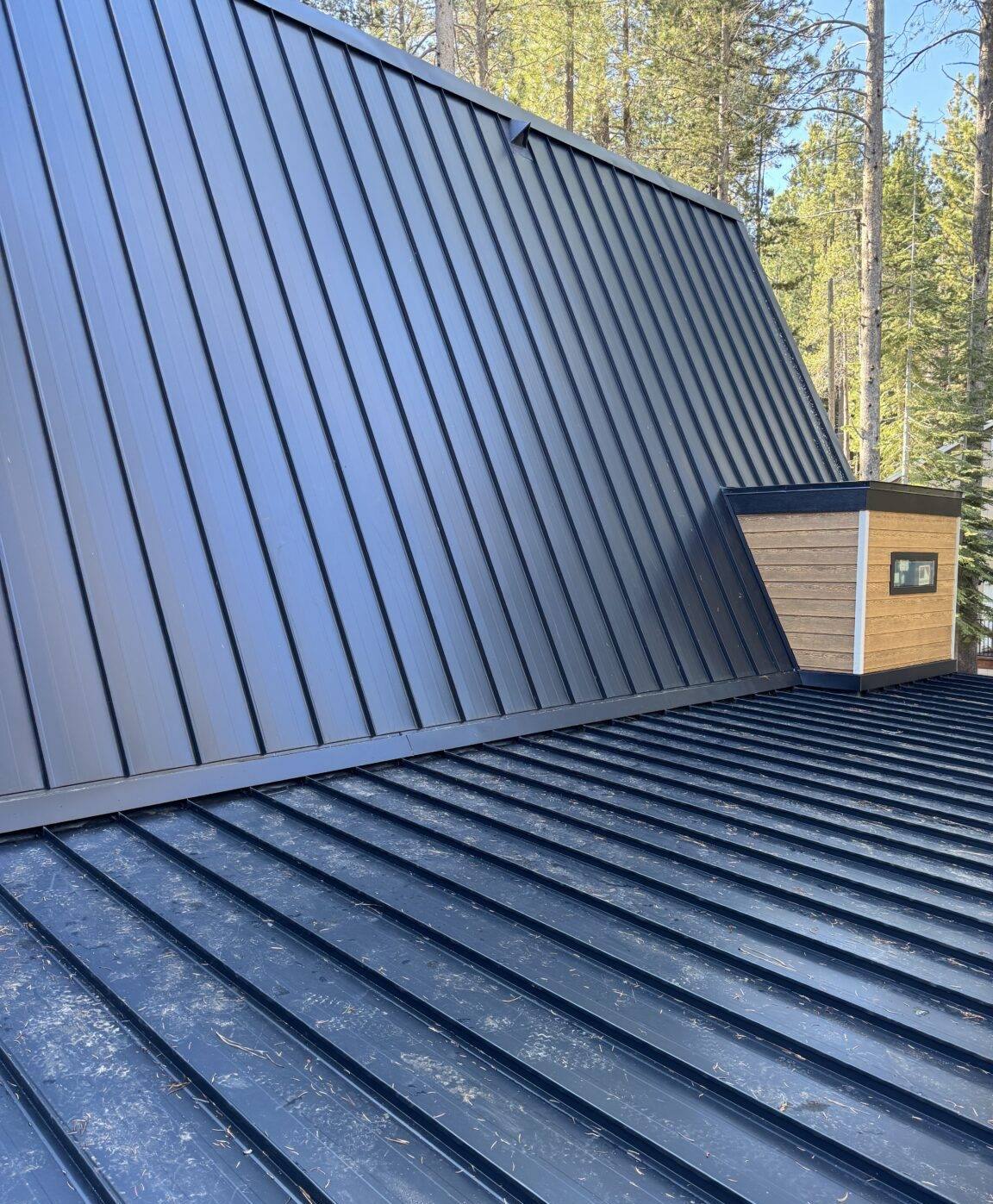
There's no single "best" roofing material for every home — it depends on the roof's pitch, the home's age and structure, the budget, and how much shade and moss exposure the lot gets. Here's how the common options stack up for an Old Town Anacortes home specifically.
| Material | Moss/Moisture Resistance | Typical Lifespan Here | Best Fit |
|---|---|---|---|
| Architectural asphalt shingle | Good, with proper ventilation and moss-resistant granules | 25-30 years | Most Old Town homes; strong value and appearance |
| Standard 3-tab shingle | Fair — less resistant to moss and wind uplift | 15-20 years | Budget-driven projects, secondary structures |
| Metal roofing | Excellent — sheds moisture, resists moss growth | 40-50+ years | Homes prioritizing longevity and low maintenance |
| Cedar shake | Poor without diligent upkeep — holds moisture, feeds moss | Varies widely with maintenance | Historic-look preferences, higher upkeep commitment |
We're generally cautious about recommending cedar shake in this specific micro-climate. It has real aesthetic appeal on older homes, but its wood surface holds moisture and organic growth in a way that demands frequent, disciplined maintenance to keep ahead of moss and rot — a higher ongoing burden than most homeowners want to take on. That's a maintenance and moisture-behavior trade-off, not a knock on the material itself; if a homeowner wants that look and is committed to the upkeep, we'll install it correctly.
Our Process for Old Town Anacortes Roof Replacements
- On-site inspection: we look at the current roof, attic ventilation, decking condition where visible, and any signs of past leaks or moss buildup.
- Honest scope and material discussion: we walk through material options suited to your roof's pitch, sun exposure, and budget — no upselling to the most expensive option if it isn't the right fit.
- Written estimate: clear line items for tear-off, deck repair allowances, materials, flashing, and ventilation work, so there are no surprises mid-project.
- Weather-aware scheduling: we plan installs around Anacortes' rain patterns and try to avoid leaving a deck exposed overnight when weather is unpredictable.
- Tear-off, deck check, and install: done in the sequence described above, with attention to the flashing and ventilation details that matter most in this climate.
- Final walkthrough: we go over the finished roof, ventilation, and any warranty paperwork with you before calling the job done.
Cost Factors to Expect
Every roof is priced on its own specifics, but the main variables that move the number are consistent across Old Town Anacortes homes:
| Factor | Why It Matters |
|---|---|
| Roof size and number of facets | More square footage and complexity means more material and labor |
| Deck condition | Older homes sometimes need sheathing repair or replacement discovered during tear-off |
| Pitch and access | Steeper roofs and tighter lots take longer and require more safety setup |
| Material choice | Asphalt, metal, and cedar carry very different material and labor costs |
| Ventilation upgrades | Adding or correcting intake/exhaust venting adds scope but pays off in roof lifespan |
| Layers of existing roofing | Multiple old layers mean more tear-off labor and disposal |
Signs an Old Town Anacortes Roof Needs Replacing, Not Patching
Not every roof issue calls for full replacement, but certain signs point that direction rather than another round of patching:
- Granules collecting heavily in gutters, indicating shingles are past their protective life
- Moss that returns quickly after cleaning, suggesting the roof surface is holding moisture chronically
- Soft spots or sagging visible from the attic or from the ground
- Daylight visible through the roof deck from inside the attic
- Repeated leaks in different spots after previous repairs
- Shingles curling, cracking, or losing their seal in multiple areas rather than just one
- A roof already past 20-25 years old with no major work done
If a roof shows just one or two of these in a small area, a repair may genuinely be the more sensible move — we'll say so plainly rather than push a full replacement that isn't needed yet.
Maintaining a New Roof Once It's In
A well-installed roof still benefits from basic upkeep, especially given the moss season here. Keeping gutters clear so water isn't backing up under the eaves, having moss growth addressed before it spreads rather than after, and keeping overhanging branches trimmed back so the roof gets more sun and airflow all extend the life of the investment. None of this is complicated, but skipping it is exactly how a well-built roof ends up looking prematurely worn.
Why Local Experience in Old Town Anacortes Matters
A crew that regularly works this specific part of Anacortes already knows which flashing details tend to fail on the older home styles common here, how much moss exposure to expect on shaded, tree-covered lots, and how to sequence a tear-off around the region's rain patterns without leaving a deck exposed. That's different from general roofing experience picked up in a drier or less coastal climate. It shows up in fastener choice, underlayment selection, and the small flashing decisions that determine whether a roof holds up through its full expected lifespan or starts leaking well ahead of schedule.
If you're weighing a new roof for a home in Old Town Anacortes, we're happy to take a look and give you a straight assessment — no pressure, no inflated scope. Reach out for a free estimate using the form below, and we'll walk the roof with you and talk through what it actually needs.