 Anacortes Siding
 Building New in Bow? The Windows Have to Be Right the First Time
New construction gives you one real chance to get windows right. Once siding, trim, and interior finish work close in around the rough openings, fixing a flashing mistake or a wrong-sized unit means tearing into finished work. That's a different job than replacing an old window in an existing wall, and it calls for a different level of coordination with the builder, the framer, and whoever is running the weather-resistant barrier.
We install new-construction windows for homes going up in and around Bow, working directly with general contractors and owner-builders during the framing and dry-in stages. Skagit County's building climate is not forgiving of shortcuts — homes here sit close to Samish Bay and open farmland, which means salt-laden air, wind-driven rain, and a long wet season all reach the building envelope before drywall ever goes up. The window install has to account for that from day one, not get patched later.
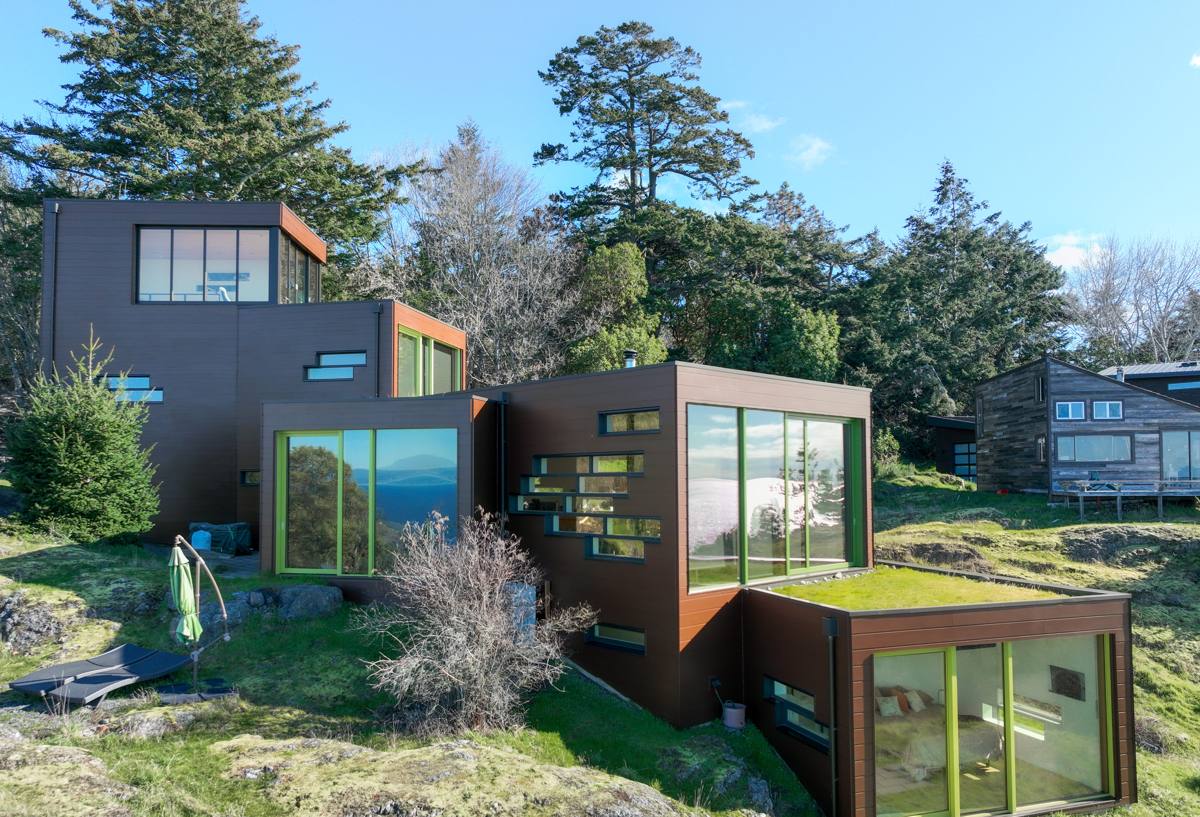
What Bow's Climate Actually Does to a Building Envelope
Bow doesn't get the harshest weather in Western Washington, but it gets a steady combination that adds up over the life of a house. Proximity to the water brings salt-bearing air that accelerates corrosion on hardware, fasteners, and lower-grade cladding. Storms off the Sound push rain sideways against west and south-facing walls, not just straight down, which is exactly the condition that exposes a poorly flashed rough opening. And the region's long, damp shoulder seasons keep humidity high enough, long enough, that any trapped moisture behind a window unit has time to grow moss, mildew, and eventually rot before anyone notices.
For a new build, that means the window opening has to shed water outward and downward under wind pressure, not just under still-air conditions. It also means fastener and flashing materials need to hold up to a salt-air environment for decades, not just pass inspection on install day.
The Three Failure Points We Watch For
- Sill pans and back dams that don't direct water back out of the wall assembly
- Flashing tape and housewrap laps installed in the wrong shingle-style sequence, letting water track behind the barrier instead of over it
- Fasteners or trim hardware not rated for coastal exposure, leading to early corrosion and staining
New-Construction vs. Replacement: Why the Distinction Matters
A new-construction window has a nailing fin (or flange) that gets fastened directly to the sheathing and integrated into the weather-resistant barrier before siding goes on. It's installed as part of the wall assembly, not into an existing finished opening. That gives us full access to the rough opening, the sheathing, and the WRB — which is exactly the advantage we want to use, because it means the flashing detail can be built correctly in layers rather than retrofitted around existing trim.
Replacement windows (pocket or full-frame retrofits into an existing wall) are a different scope entirely, with different tools and different compromises. If your project in Bow is new construction or a full addition, insist your contractor is treating it as a new-construction install with proper flange integration — not shortcutting it like a retrofit because that's what their crew is more used to.
Choosing the Right Frame Material for a Bow Build
Frame material selection matters more here than in a drier, inland climate. Salt air and sustained moisture exposure change the calculus on maintenance and longevity. There's no single correct answer for every home — it depends on budget, architectural style, and how much upkeep you want to take on — but here's how the common options stack up for a coastal-influenced Skagit County build.
| Frame Material | Upfront Cost | Salt Air / Moisture Behavior | Maintenance | Best Fit |
|---|---|---|---|---|
| Vinyl | Lowest | Won't corrode; UV exposure over decades can affect color | Minimal — occasional cleaning | Budget-conscious builds, rentals, spec homes |
| Fiberglass | Mid-to-high | Excellent — dimensionally stable, resists moisture and salt exposure well | Low | Custom homes wanting long-term durability without wood upkeep |
| Wood-clad | High | Good if cladding is intact; exposed wood interior needs protection from interior humidity | Moderate to high — clad exterior, but sightlines and interior finish need attention | Traditional or high-end architectural styles |
| Aluminum | Mid-to-high | Conducts cold and can corrode near salt air unless properly finished/anodized | Moderate | Modern architectural styles, larger glass spans |
For most Bow builds within a few miles of the water, we steer clients toward vinyl or fiberglass for the balance of coastal durability and reasonable upkeep. Wood-clad and aluminum both have their place architecturally, but we'll walk you through what each one asks of you in maintenance before you commit, especially given the salt air.
What Correct Installation Actually Involves
The window unit itself is only part of the job. The flashing and integration work around it is what determines whether the wall stays dry for the next 30 years. On a new build, we follow a consistent sequence so nothing gets skipped, regardless of which framer or GC we're coordinating with.
- Rough opening checked for level, plumb, and correct dimension before the unit ever shows up on site
- Sill pan flashing installed with a back dam, sloped to shed water outward, not just laid flat
- Weather-resistant barrier integrated in proper shingle-lap order: sill, then jambs, then head — each layer overlapping the one below it
- Flashing tape run continuously with no gaps, and compatible with the specific WRB product in use (not all tapes bond to all wraps)
- Window set square and shimmed at manufacturer-specified points, not just at the corners
- Fasteners driven per manufacturer schedule — spacing and type matter for wind load, not just for holding the unit still
- Head flashing installed last, lapping over the WRB above it so water is directed out and over the window, never behind it
- Interior and exterior sealant beads placed only where the manufacturer specifies — sealing the wrong gap can trap moisture instead of stopping it
Skipping or reordering any one of these steps is how new homes end up with hidden rot five or ten years in, often invisible until siding or interior trim comes off for an unrelated repair.
How We Work With Your Builder or GC
Most of our new-construction window work in Bow comes in as a subcontracted piece of a larger build — we're brought in by the general contractor or coordinating directly with an owner-builder. That means our schedule has to sync with framing completion and precede siding, so we build in a walk-through at the dry-in stage specifically to check rough openings before units are ordered or installed.
Typical Sequence
- Plan review and window schedule confirmation — sizes, styles, and egress requirements verified against the architectural plans
- Rough opening inspection once framing is complete, flagging any out-of-tolerance openings before install day
- Window ordering and lead-time coordination, timed so units arrive when the wall is ready, not sitting exposed on site
- Install with full flashing and WRB integration, documented as we go
- Final check before siding crews close the wall — this is the last point where a flashing issue can be caught cheaply
Energy Code and Performance Considerations
Washington's energy code sets minimum performance requirements for new-construction glazing, and those requirements have gotten more demanding in recent code cycles. U-factor (how much heat the window loses) is the number that matters most for our climate — Skagit County's mild-but-damp winters don't punish a home the way a harsher inland climate would, but heating costs and condensation resistance are still very real considerations. We help builders and homeowners select window packages that meet code without over-buying performance you won't notice in daily comfort. Getting this right at the plan-review stage avoids a scramble later if an energy code compliance path falls short at inspection.
Why a Crew Already Working in Bow Makes a Difference
New-construction window work depends on getting the sequencing right with everyone else on the job site — framers, siding crews, WRB installers, and inspectors. A crew that already builds in Bow and the surrounding Skagit County area knows the local inspection expectations, has already worked alongside the framing and siding crews commonly used on rural and shoreline-adjacent builds here, and understands why a flashing detail that's adequate in a drier climate isn't good enough this close to the water. That familiarity shows up as fewer callbacks, fewer schedule conflicts, and a wall assembly that's actually built for what Bow's weather does to it, not for a generic spec.
After Move-In: What to Watch For
A correctly installed new-construction window shouldn't need much attention, but a few habits help it stay that way in this climate.
- Rinse frames and hardware periodically, especially on sides facing the water, to clear salt residue before it accelerates corrosion
- Check exterior caulking annually — UV and moisture cycling break down sealant faster here than in drier regions
- Keep an eye on interior sills for condensation during the wettest months; persistent moisture there can indicate a ventilation or seal issue worth a look
- Avoid pressure-washing directly into window seals — it can drive water past flashing that was never designed to handle that kind of force
If you're planning new construction in Bow and want windows installed correctly the first time — with flashing, sizing, and product selection matched to what this climate actually demands — we're happy to take a look at your plans and walk the site. Use the form below to request a free, no-pressure estimate.