 Anacortes Siding
 Storm Damage Roof Repair for Cap Sante Homes
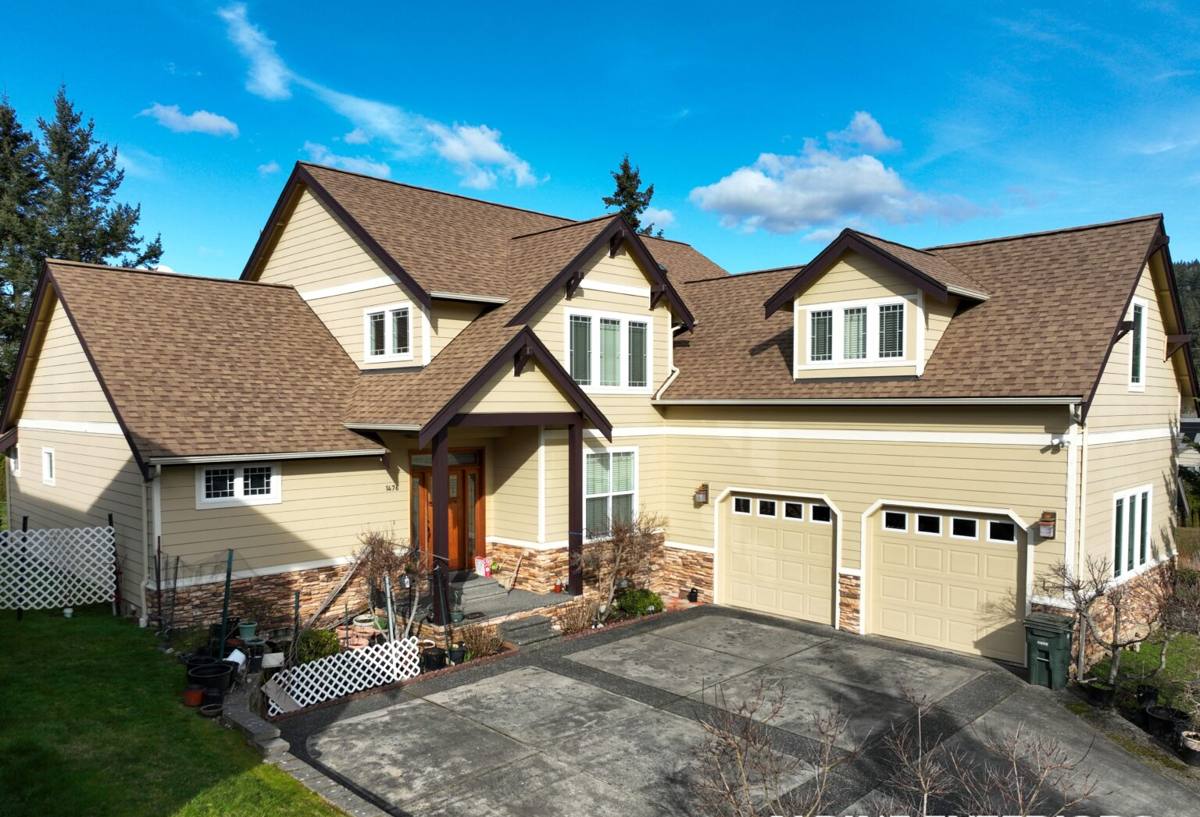
Cap Sante sits high and exposed above Anacortes, with clear sightlines to the water and Skagit County's weather coming straight off Rosario Strait and the Guemes Channel. That same exposure that makes the view worth it also means roofs up here take a harder hit during winter storms than roofs tucked into more sheltered parts of town. Wind gusts off the water, driving rain that finds every gap, and salt-laden air that speeds up corrosion on metal components all add up over a season. When a storm passes through and something on your roof gives way — a lifted ridge cap, a torn section of shingles, a flashing seam pulled open — you need a repair that actually accounts for where you live, not a generic patch job.
We work on roofs in this neighborhood regularly, which means we're not guessing at what Cap Sante's wind exposure and salt air do to roofing materials over time. We've seen how it plays out here specifically, and that shapes how we inspect, repair, and recommend maintenance for these homes.
What Cap Sante's Climate Does to a Roof
Three things drive most of the storm damage repair calls we get from this part of Anacortes:
Salt Air and Corrosion
Being close to the water means airborne salt settles on everything, including your roof. Exposed fasteners, flashing, and any unpainted or lower-grade metal components corrode faster here than they would further inland. A fastener that's rusted through is a much weaker point during a windstorm than one that's still solid, and it's often the first thing to fail when gusts hit a roof edge or ridge line.
Driving, Wind-Driven Rain
Anacortes doesn't usually get the heaviest total rainfall in Skagit County, but the wind that comes with Pacific storm systems pushes rain sideways and upward under edges, into laps, and through any gap that a calmer rain would never find. This is why storm damage here often shows up as water intrusion at flashing and penetrations rather than through the field of the roof itself.
A Long Moss Season
Our wet, mild fall-through-spring stretch is close to ideal for moss growth, especially on north-facing slopes and anywhere shade keeps a roof from drying out between rains. Moss holds moisture against roofing material, works its way under shingle edges, and lifts material over time — weakening exactly the spots that then fail first when a storm's wind and rain arrive together.
Common Storm Damage We Find in Cap Sante
Not every storm-damaged roof looks dramatic from the ground. Some of the most costly problems start small and get worse with every subsequent storm until they're addressed.
- Lifted or missing shingles along ridges, hips, and roof edges where wind uplift is strongest
- Flashing pulled loose or bent at chimneys, skylights, and wall-to-roof transitions
- Torn or cracked pipe boot seals letting water track down into the attic
- Granule loss and exposed underlayment on wind-battered slopes
- Moss-lifted shingle edges that let wind get underneath and tear material free
- Gutter and fascia damage from wind-driven debris or ice
- Soft spots or staining on interior ceilings that trace back to a roof leak, not always where the leak started
That last point matters. Water doesn't always drip straight down from where it enters. It can travel along rafters or sheathing before showing up as a stain somewhere else in the house, which is why a proper inspection traces the actual path of the damage instead of just patching the spot under the stain.
What a Correct Storm Repair Actually Involves
Inspection Before Anything Gets Fixed
We walk the roof, not just look at it from the ground or from photos. Wind and moss damage both tend to be worse than they appear from a distance, and a proper repair estimate depends on knowing the actual extent of it — how far the shingles are lifted, whether the underlayment is compromised, whether decking underneath has taken on moisture.
Matching the Repair to the Damage
A single lifted section of shingles from a wind event usually calls for a targeted repair: replacing the damaged shingles, resealing or replacing flashing, and checking the underlayment underneath before closing it back up. It does not usually call for a full re-roof. On the other hand, if moss has been undermining a slope for a couple of seasons and the storm just finished the job, the repair may need to go wider than the visibly damaged area, because moss damage often extends past what's obviously missing or torn.
Flashing and Fasteners Done Right
Given the salt air here, we don't cut corners on flashing and fastener quality during a repair. Using standard-grade materials on a Cap Sante roof is a false economy — it looks fine for a season or two, then corrodes and fails again, often right where the original damage was. We flash penetrations and transitions with material suited to a marine-influenced climate and set fasteners correctly the first time.
Checking What's Underneath
Any time water has been getting in, even briefly, we check the decking and framing before closing the repair back up. Soft or delaminated decking needs to be addressed at the same time as the visible shingle or flashing damage — patching over compromised sheathing just hides the problem until it fails again, usually during the next storm.
Our Storm Repair Process
1. Initial Assessment
We look at the roof, document the damage, and give you a straight answer on whether you're looking at a targeted repair, a larger section replacement, or something that warrants a broader conversation about the roof's overall condition.
2. Temporary Protection if Needed
If a storm has left an active leak or an exposed section, our first priority is stopping ongoing water intrusion, especially if more weather is on the way, which is common during an active storm pattern here in the fall and winter.
3. Written Scope and Estimate
You get a clear description of what's damaged, what we're proposing to do about it, and why — not just a price with no explanation.
4. The Repair
We remove and replace only what needs replacing, matching materials as closely as possible, and rebuild flashing and seals to standards that hold up to this area's wind and salt exposure, not just to code minimums.
5. Final Check
Before we consider the job done, we confirm the repair is sealed and sound, and we'll flag any other areas of the roof that are showing early wear so you're not caught off guard by the next storm.
What Affects the Cost of a Storm Repair
Every roof and every storm event is different, so we don't quote a generic number without seeing the roof. But these are the main factors that move a repair estimate up or down:
| Factor | Why It Matters |
|---|---|
| Extent of damage | A single flashing repair costs far less than replacing a full slope of shingles |
| Roof pitch and access | Steeper roofs and difficult access add labor and safety setup time |
| Underlying decking condition | Rotted or soft sheathing found during the repair adds material and labor to fix properly |
| Age and condition of the surrounding roof | Matching materials on an older roof can be harder, and nearby worn areas may need attention too |
| Moss or algae buildup | Removal and treatment adds a step but prevents the same damage from recurring quickly |
| Flashing and fastener quality | Marine-grade materials cost more upfront but hold up far longer near the water |
Insurance and Storm Damage
Many storm repairs in this area are covered in part by homeowners' insurance, particularly when the damage is tied to a specific wind or storm event rather than gradual wear. We can document damage clearly enough to support a claim, but we're straightforward with homeowners about the difference between storm damage and long-term maintenance issues like moss buildup, since insurers typically treat those differently. If you're not sure which category your damage falls into, that's part of what the inspection is for — we'll tell you honestly what we see.
Why Hire a Crew That Already Works Cap Sante
A roofer who mostly works inland, or outside Skagit County altogether, doesn't necessarily think about salt air corrosion, wind exposure on an elevated site, or how long moss season really runs here. Those aren't abstract concerns — they change what materials and fastening methods actually hold up on a roof in this specific location. Working in Cap Sante and the surrounding Anacortes area regularly means we're not learning the local conditions on your roof; we already know what tends to fail here and why, and we repair accordingly instead of applying a one-size-fits-all fix.
It also means faster response after a storm. When wind and rain move through Anacortes, a lot of roofs take damage around the same time, and a crew that already knows the area can prioritize and get to storm-damaged homes without wasting time on unfamiliar streets or access points.
Get a Free, No-Pressure Estimate
If your Cap Sante home took storm damage — or you're just not sure whether that missing shingle or bent flashing needs attention — we're happy to take a look and give you a straight answer. Fill out the form below for a free estimate, no pressure and no obligation.