 Anacortes Siding
 Deck Replacement in Mount Vernon: Built for What Skagit County Throws at It
A deck in Mount Vernon lives a harder life than most homeowners realize. Between the salt-laden air drifting in off Puget Sound, the long stretches of driving rain that define a typical Skagit County fall and winter, and a moss season that can run nine months out of the year, an outdoor structure here takes on moisture and organic growth at a rate that inland decks simply don't experience. We're an Anacortes-based crew that works Mount Vernon regularly, and we've replaced enough decks in this corner of the county to know exactly where they fail first and why.
This page is about one job: full deck replacement for Mount Vernon homes. Not a quick repair, not a repaint — a real teardown and rebuild done to hold up against this specific climate.
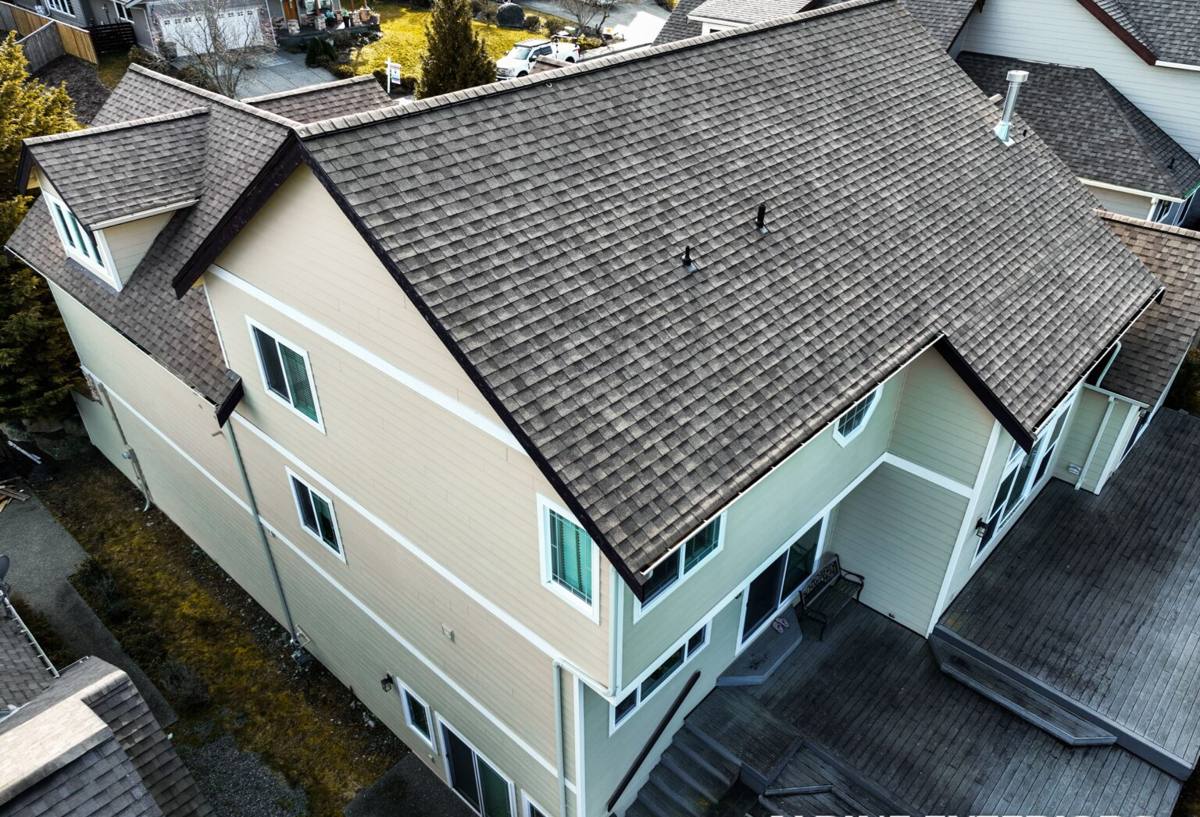
Why Decks Wear Out Faster Here
Three things work against wood and composite decking in this region, often at the same time.
Salt Air
Proximity to the water means airborne salt settles on every exterior surface, including deck fasteners, hardware, and railing connectors. Standard coated screws and brackets corrode faster here than they would forty miles inland. Once fasteners start rusting, they weaken, stain the surrounding wood, and eventually fail structurally — long before the decking boards themselves look worn out.
Driving Rain
Skagit County doesn't just get rain, it gets rain pushed sideways by wind off the Sound, which finds its way into every gap, seam, and ledger connection that isn't properly flashed. Water that gets behind a ledger board or pools under decking is the single most common cause of hidden rot we find when we tear an old deck apart.
Moss and Organic Growth
Shade, moisture, and mild temperatures make this an ideal environment for moss, algae, and lichen. Beyond looking bad, moss holds water against the decking surface, keeps boards from drying out between rain events, and accelerates rot in wood and the breakdown of some composite products. A deck that's shaded by trees or sits low to the ground is especially at risk.
Signs Your Deck Needs Replacement, Not Just Repair
Homeowners often call us for a repair and end up needing a rebuild once we get a look underneath. Here's what tells us a deck is past the point where patching makes sense.
- Soft, spongy, or spring-loaded decking boards, especially near the house or in shaded corners
- Visible rot, dark staining, or fungal growth at the ledger board where the deck meets the house
- Rusted, loose, or missing fasteners, particularly around railing posts and joist hangers
- Railings that wobble or flex under normal weight — a safety issue, not a cosmetic one
- Persistent moss or algae that returns within weeks of cleaning
- Gaps opening up between boards, or boards cupping and splitting
- A deck more than 20 years old that has never been re-flashed or had fasteners upgraded
- Visible daylight or gaps at the ledger-to-house connection
Any one of these on its own might be repairable. Two or three together, especially involving the ledger or framing, usually means the structure has been compromised long enough that a full replacement is the more honest recommendation.
What a Correct Deck Replacement Actually Involves
A deck replacement done right is a structural project, not a surface-level swap of old boards for new ones. In a climate like Skagit County's, the parts nobody sees are what determine whether the new deck lasts.
Ledger Flashing
The ledger board — where the deck attaches to the house — is the number one failure point we see in this region. Correct flashing directs water away from the house structure rather than letting it channel behind the ledger. This is not optional detail work; it's the difference between a deck that lasts decades and one that starts rotting the wall behind it within a few years.
Footings and Framing
Footings need to be set below frost depth and sized for the actual load of the deck, not just what was there before. We also check post spacing, joist sizing, and hardware against current code rather than simply matching what the old deck had — older decks in this area were often built before current fastener and connection standards existed.
Fasteners and Hardware
Given the salt air, we use corrosion-resistant fasteners and structural connectors rated for coastal exposure. This costs a little more upfront than standard hardware and is one of the areas we won't cut corners on, because it's exactly what fails first in a marine climate.
Ventilation and Drainage
Decking needs airflow underneath to dry out between rain events. We grade and space framing to avoid trapping water, and we keep vegetation and debris clearance in mind so the underside of the deck isn't sitting in permanent shade and damp.
Decking Material Options for This Climate
There's no single right answer for every homeowner — budget, maintenance tolerance, and how the deck will be used all factor in. Here's how the common options compare specifically for Mount Vernon's conditions.
| Material | Upfront Cost | Maintenance | Moisture & Moss Resistance | Typical Lifespan |
|---|---|---|---|---|
| Pressure-treated wood | Lowest | Annual cleaning and periodic sealing required | Moderate — needs upkeep to resist rot and moss staining | 10-15 years with regular maintenance |
| Cedar | Moderate | Regular sealing/staining to maintain appearance and resist moisture | Naturally moderate rot resistance, but still needs care in this climate | 15-20 years with upkeep |
| Composite decking | Higher | Low — occasional washing | Good — resists rot, but surface can still host moss/algae if shaded | 25-30 years |
| Capped composite / PVC | Highest | Lowest — no sealing, easy rinse-off | Best — fully capped surface sheds moisture and resists staining | 25-30+ years |
For homes in shaded, moss-prone spots or close to the water, we generally steer people toward composite or capped composite decking for the framing-level maintenance savings alone — not because wood is a bad product, but because the upkeep schedule wood requires in this climate is a real, ongoing commitment. If a homeowner wants the look and feel of real wood and is prepared to maintain it, we'll build that just as solidly.
Our Process, Start to Finish
1. On-Site Assessment
We walk the existing deck, check the ledger connection, probe for soft spots, and look at footings where accessible. This tells us whether we're dealing with a straightforward rebuild or a deck that's also affecting the house structure it attaches to.
2. Straightforward Proposal
We give you a clear scope and price range based on square footage, material choice, and what the framing needs. No surprise change orders for things we should have caught during the assessment.
3. Permitting
Deck replacement in Skagit County typically requires a permit, and requirements can differ depending on whether the property is inside Mount Vernon city limits or unincorporated county land. We handle this step and won't guess at requirements — we confirm with the applicable local building department before work starts.
4. Teardown and Disposal
Full removal of the old structure, including hauling away old decking, framing, and any hardware — nothing left behind for the homeowner to deal with.
5. Rebuild
Footings, framing, flashing, decking, and railings installed to code, with corrosion-resistant hardware throughout given the local salt exposure.
6. Final Walkthrough
We go over the finished deck together, including basic maintenance guidance specific to whatever material was installed.
Permits and Local Considerations
Deck permitting rules vary by jurisdiction, and Mount Vernon properties can fall under city or county authority depending on exact location. Rather than quoting rules that may not apply to your specific address, we confirm requirements with the relevant building department as part of our process. What we can say generally: most full deck replacements involving new footings or structural changes will require a permit and inspection, and skipping that step can create problems later when selling the home or filing an insurance claim.
Why a Local Crew That Already Works Mount Vernon Matters
Deck problems in this area follow patterns — where moss builds up fastest, which ledger connections tend to fail first, how footings hold up in the local soil and drainage conditions. A crew that works Anacortes and Mount Vernon regularly has already seen those patterns play out on other properties nearby, which means fewer surprises once the old deck comes off. It also means we're not guessing at what "built for this climate" actually requires — we're applying what we've already confirmed works here.
We're not a national outfit passing through on a bid. We're local, we know the county's permitting contacts, and we're the ones you'll call if a question comes up five years from now.
Get a Free, No-Pressure Estimate
If your Mount Vernon deck is showing soft spots, rusted hardware, or persistent moss, it's worth having a local crew take a look before you decide between repair and replacement. Use the form below to request a free estimate — no pressure, just a straight assessment of what your deck actually needs.