 Anacortes Siding
 Windows Built for March Point's Exposure
March Point sits out on open water, with Fidalgo Bay on one side and Padilla Bay on the other. That position is part of what makes it a beautiful place to live, and part of what makes it a hard place on windows. Homes here take wind and salt spray that inland Anacortes neighborhoods simply don't see as often, and that exposure adds up over the years in ways that aren't always obvious until a window starts leaking, sticking, or fogging between the panes.
We've replaced and installed windows on homes across March Point and the rest of the Anacortes area, and the pattern is consistent: window failures out here are rarely about a bad product. They're about a product that wasn't matched to the site, or an installation that didn't fully account for the wind-driven rain and salt exposure a waterfront-adjacent property deals with. Custom windows done right start with understanding that exposure, not just measuring an opening and ordering a box.
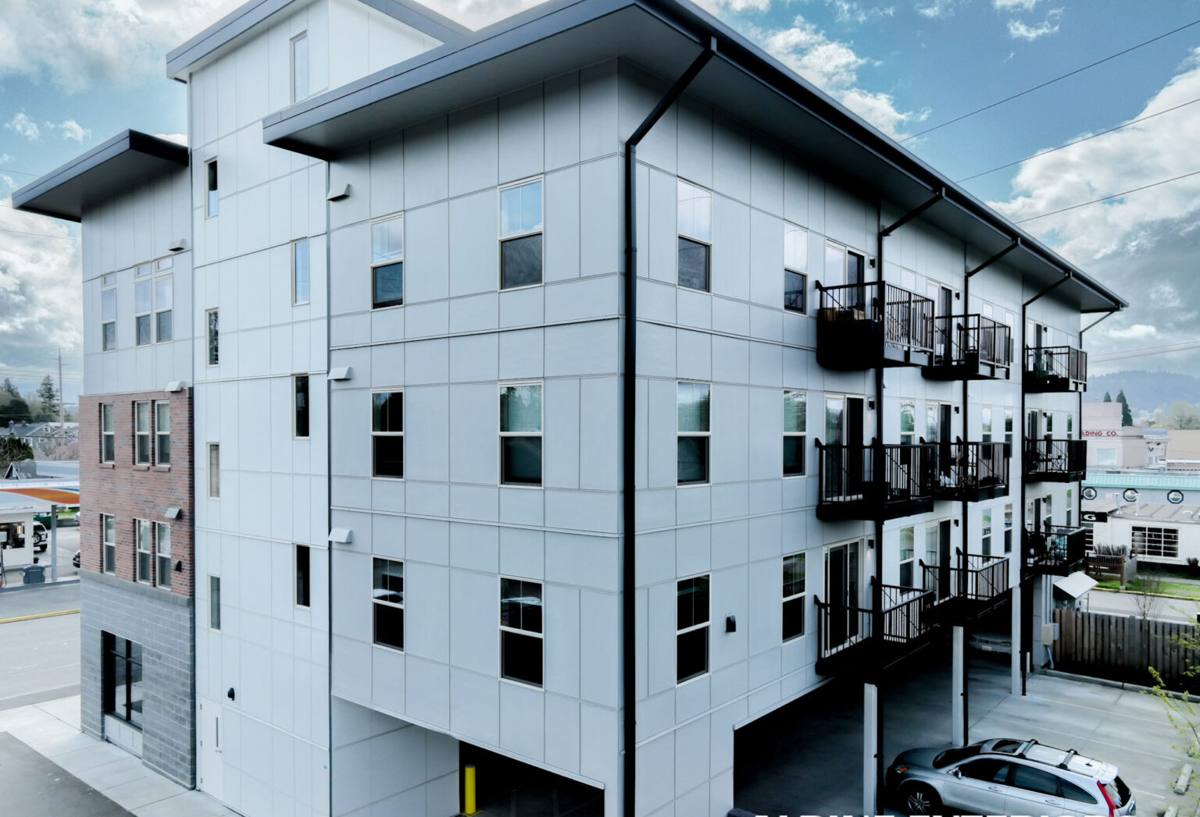
What Skagit County's Marine Climate Does to Windows
Three things drive most of the window problems we see on the peninsula and along the water:
- Salt air — accelerates corrosion on hardware, hinges, and unprotected fasteners, and breaks down cheap weatherstripping and finishes faster than it would a few miles inland.
- Driving rain — wind off the bay doesn't just fall on a window, it pushes against it. Flashing, sill pans, and sealant details that would be fine in a calm rain are the first thing to fail under sideways weather.
- A long moss and mildew season — Western Washington's wet months stretch long, and any spot where water sits instead of shedding becomes a place for moss, mildew, and eventually rot to take hold, especially around window trim and sills.
None of this means March Point homes need exotic materials. It means the window and the installation both need to be chosen with this specific exposure in mind, not a generic PNW spec.
Signs Your Current Windows Are Losing the Fight
Most homeowners call us after noticing one or two of these, not a dramatic failure. Worth checking for:
- Fogging or a milky look between the panes — the seal has failed and the insulating gas is gone
- Drafts you can feel near the frame on a windy day, even with the window latched
- Wood trim or sills that feel soft, or paint that's bubbling or peeling around the frame
- Windows that are hard to open, close, or lock — frames can swell or warp with repeated moisture exposure
- Visible staining on interior drywall or trim below or beside a window
- Moss or dark streaking building up on the exterior sill or trim faster than the rest of the siding
Any one of these on its own might just mean a caulk touch-up. Several together, especially on a window facing the water or prevailing wind, usually means it's time to talk about replacement before the frame itself is compromised.
Choosing the Right Window for This Site
"Custom" starts with fit — most homes on the peninsula have openings that don't match a modern standard size, especially older construction — but it also means matching the frame material and glass package to how exposed a given wall actually is. A window on a sheltered side of the house doesn't need the same spec as one taking direct wind and salt off the water.
| Frame Material | How It Holds Up Here | Best Fit |
|---|---|---|
| Vinyl | Good moisture resistance, low maintenance, budget-friendly; quality varies a lot between manufacturers | Most standard replacements, budget-conscious projects |
| Fiberglass | Excellent dimensional stability, holds paint and finish well under salt exposure, higher upfront cost | Wind- and salt-exposed walls, long-term durability priority |
| Wood-clad | Strong interior appearance, but the exterior clad detail and any exposed wood need careful sealing to avoid moisture entry over time | Homes prioritizing interior wood look, with disciplined maintenance |
| Aluminum | Durable but a poor insulator and prone to condensation in our humid, cool winters | Rarely our first recommendation for residential work here |
We'll walk you through this trade-off honestly rather than pushing whatever's easiest to install. A cheaper window installed correctly will often outlast a premium window installed carelessly — the installation is where most window failures actually start.
Glass and Efficiency Choices That Matter in This Climate
Beyond the frame, the glass package affects both comfort and how much moisture problem you'll see indoors. In Skagit County's cool, humid winters, double-pane windows with a Low-E coating and argon gas fill are the standard we recommend for most homes — they cut heat loss and reduce interior condensation, which matters a lot when outdoor humidity stays high for months at a time. On rooms with direct water views or heavy sun exposure, a Low-E coating tuned for solar heat gain control can also help keep the room from overheating in summer without losing the view.
We size glass packages to the room and orientation rather than putting the same spec on every opening — a north-facing window loses heat differently than a south-facing one, and matching the glass to the wall keeps you from overpaying on some windows while underspending on the ones that need it most.
Why Installation Quality Matters More Than the Window Itself
We've pulled out windows that were genuinely good products, ruined within a few years because of how they went in. On a wind- and rain-exposed site like March Point, the installation details are what actually keep water out — the window is only as good as the flashing and sealing around it. Our installation process addresses the parts that fail most often out here:
Sill Pan and Flashing
A proper sloped sill pan directs any water that gets past the window back outside instead of letting it pool at the bottom of the frame. Flashing tape integrates the window into the wall's water-resistive barrier so water is shed in layers, shingle-style, rather than relying on caulk alone to keep it out.
Sealant Selection and Placement
Not every sealant is rated for the temperature swings and UV exposure our climate delivers. We use products suited to long-term exterior exposure, and we're deliberate about where sealant is used versus where the assembly needs to breathe — sealing the wrong joint can trap moisture inside a wall rather than keep it out.
Fastening and Shimming
A window that isn't shimmed level and square will bind, leak at the corners, or wear its weatherstripping unevenly. On salt-exposed sites we also pay attention to fastener material, since the wrong hardware corrodes faster here than it would a few miles inland.
Our Process, Start to Finish
- On-site assessment — we look at each opening individually, noting exposure, existing damage, and any rot or flashing issues hiding behind the trim
- Honest recommendation — we walk you through material and glass options for your specific budget and exposure, no upsell for its own sake
- Precise measurement and ordering — custom sizing so the window fits the actual opening, not the other way around
- Removal and inspection — old windows come out carefully so we can check the framing and sheathing underneath for hidden moisture damage before anything new goes in
- Installation — sill pan, flashing, shimming, and sealing done in the order that actually keeps water out, not just what's fastest
- Interior and exterior finish work — trim, caulking, and touch-up so the window looks finished inside and out
- Final walkthrough — we check operation, sightlines, and seal quality with you before we call the job done
Maintenance That Actually Extends Window Life Here
Even a well-installed window benefits from a little seasonal attention in this climate:
- Rinse salt residue off frames and hardware a couple times a year, especially after storms with wind off the water
- Keep weep holes at the bottom of the frame clear of debris and moss so water can drain out
- Check and refresh exterior caulking every year or two — it's cheaper than a repair and catches problems before they start
- Wipe down tracks and hinges to keep moss and grime from building up and holding moisture against the frame
- Watch for condensation between panes as an early sign a seal has failed, and address it before moisture gets into the surrounding wall
Why a Local Crew Makes a Difference
Anyone can install a window in dry, calm weather. The difference shows up over the following winters, when wind-driven rain tests every seam. A crew that regularly works this stretch of Skagit County knows which walls on a March Point property tend to take the worst of the weather, which older homes are more likely to have hidden flashing problems, and which materials hold up versus which ones just look good on install day. That's knowledge you don't get from a crew based somewhere inland, working your job as a one-off between other regions.
We're also familiar with the permitting expectations in the Anacortes area, and we build every installation to hold up to the same wind and rain that damaged the windows you're replacing in the first place — not just to pass an inspection.
Get a Straightforward Estimate
If you're dealing with drafts, fogged glass, or trim that's starting to show its age on a March Point home, we're happy to take a look and give you an honest read on whether you need a full replacement or a more targeted fix. There's no pressure and no obligation — just fill out the form below and we'll set up a time to come out.