 Anacortes Siding
 Building a Deck That Actually Holds Up in Oak Harbor
A deck in Oak Harbor lives a harder life than the same deck built fifty miles inland. Between the salt-laden air coming off the water, the long stretches of driving rain, and a moss season that can run from fall through spring, every material and connection point gets tested constantly. Most deck problems we get called out to fix here aren't from bad luck — they're from a deck that was built to a generic spec instead of to this climate. We build decks specifically for what Oak Harbor throws at them, not for what works in a drier part of the state.
This page covers what that actually means in practice: material choices, framing details, hardware, and the parts of the job most contractors rush through because they don't show up as a problem for a year or two.
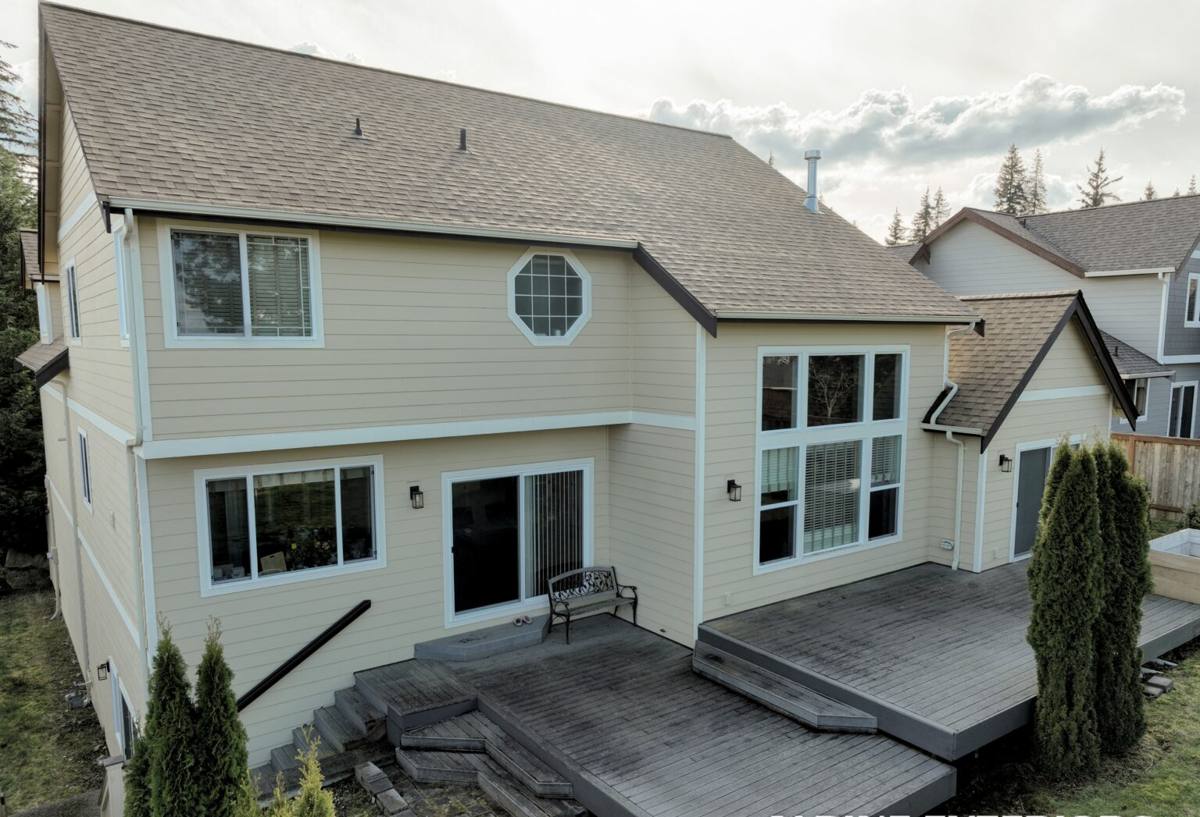
What Salt Air, Rain, and Moss Actually Do to a Deck
Three things drive almost every deck failure or premature repair we see in this area:
Salt Air and Corrosion
Airborne salt accelerates corrosion on any metal component that isn't rated for it. Standard interior-grade screws, brackets, and joist hangers can start rusting within a couple of seasons near the water. Once a fastener corrodes, it loses holding strength long before it looks obviously bad — which is why hardware choice matters more here than in most parts of the country.
Driving Rain and Moisture Intrusion
Wind-driven rain doesn't just fall on a deck, it gets pushed sideways and up under railings, into ledger connections, and between decking boards. Any gap in flashing or any spot where water can sit instead of drain becomes a rot starting point — usually at the ledger board where the deck attaches to the house, which is the single most common failure point on decks we inspect.
Moss and Algae Growth
A long moss season means extended stretches of shade, moisture, and mild temperatures — ideal growing conditions. Moss on a walking surface isn't just cosmetic; it holds moisture against the wood or composite surface and creates a genuinely slick, slip-hazard surface, especially on stairs. Deck surfaces with poor drainage or heavy tree cover need a design and material choice that accounts for this from the start, not a pressure-washing routine after the fact.
Choosing the Right Decking Material
There's no single "best" decking material — there's a best material for your budget, your maintenance appetite, and how much shade and moisture your specific lot gets. Here's how the common options actually compare for this climate:
| Material | Upfront Cost | Maintenance | How It Handles This Climate |
|---|---|---|---|
| Pressure-treated lumber | Lowest | Needs re-staining/sealing every 1-2 years | Affordable and strong, but end grain and fastener holes are entry points for moisture if not sealed regularly |
| Cedar | Mid-range | Regular sealing to hold color and resist moisture | Naturally rot-resistant and handles moisture well, but left unsealed it grays and can develop mildew in shaded, damp spots |
| Composite / PVC decking | Highest | Occasional cleaning, no sealing or staining | Doesn't rot or absorb moisture, but surface texture matters — some composite boards get slicker than others when wet or mossy |
For homes with heavy shade or tree cover near the water, we lean toward composite or PVC decking with a textured, slip-rated surface, because it removes the maintenance cycle that wood requires to stay ahead of moisture and moss. For homeowners who prefer real wood and are willing to keep up a sealing schedule, cedar is a solid choice as long as the framing underneath is protected the same way the surface is.
Framing and Structure: Where Decks Actually Fail
The decking boards are what you see, but the framing underneath is what determines whether the deck is safe and how long it lasts. This is also where corner-cutting is hardest to spot until something goes wrong.
- Ledger board flashing: The connection where the deck attaches to the house needs proper flashing to keep water from tracking behind the siding or into the rim joist. This is the most common source of hidden rot on older decks in this area.
- Footings below frost and grade: Footings need to be sized and set correctly for the soil and structure — undersized or shallow footings shift over time and cause a deck to feel bouncy or uneven.
- Joist protection: Joist tape or a comparable moisture barrier over the top of each joist keeps water from soaking into the wood through fastener holes, which is one of the cheapest details to include and one of the most skipped.
- Proper drainage slope: The deck surface should have a slight slope away from the house so water sheds instead of pooling, which also reduces moss buildup in low spots.
Hardware and Fasteners: The Detail Most Contractors Skip
Because of the salt air near the water, we use stainless steel or hot-dip galvanized fasteners and connectors rated for coastal exposure, not the standard zinc-coated hardware that's fine inland but corrodes here faster than the wood around it. This applies to joist hangers, structural screws, bolts, and any exposed fastener on railings and stair stringers. It costs more upfront than standard hardware — but replacing rusted-through connectors under a deck is a much bigger job than paying the difference the first time.
Railings, Stairs, and Code Requirements
Railings and stairs are both a safety item and a code item, and they take the brunt of wind-driven rain since they're the most exposed part of the structure. A few things we always account for:
- Guardrail height and baluster spacing that meet current code, especially on decks over a certain height off grade
- Stair stringers cut and supported correctly so they don't flex or develop soft spots at the base where water collects
- Handrail attachment that's solid enough to actually bear weight, not just decorative
- Non-slip surface treatment or material choice on stairs specifically, since stairs are where moss-related slips are most dangerous
Our Deck Building Process
We walk every job the same way, whether it's a full rebuild or new construction:
- On-site assessment: We look at sun/shade exposure, drainage, proximity to the water, and existing structure if it's a rebuild.
- Material and design conversation: We talk through decking material, railing style, and layout based on your budget and how much maintenance you want to take on long-term.
- Permitting: We handle the permit process for the scope of work that requires it.
- Framing and structural work: Footings, ledger flashing, joist protection, and coastal-rated hardware go in before anything decorative.
- Decking, railing, and stairs: Installed to manufacturer spec and local code.
- Final walkthrough: We go over care and maintenance specific to the material you chose so you know what upkeep to expect.
Permits and Local Requirements
Most new deck construction and many significant rebuilds require a permit, and requirements can vary depending on deck height, size, and whether it's attached to the house. We handle this as part of the job rather than leaving it for the homeowner to sort out, and we build to the load and safety standards the permit process requires — not just to what looks finished.
Maintenance Checklist for Oak Harbor Decks
Whatever material you choose, a few habits go a long way toward keeping a deck solid in this climate:
- Clear leaves and debris from between boards and off railings before wet season sets in
- Check and clean gutters and downspouts near the deck so runoff isn't draining directly onto it
- Inspect the ledger board area yearly for any soft spots, staining, or gaps in flashing
- Treat moss with a deck-safe cleaner rather than letting it build up, especially on stairs
- Re-seal wood decking on the schedule the product calls for, not just when it starts to look gray
- Check visible hardware periodically for rust or corrosion, particularly near the water
Why Hire a Crew That Already Works Oak Harbor
A deck built to a generic national spec will often pass inspection and look fine for the first year or two. The problems this climate causes — corroded hardware, rot behind flashing, moss buildup in low-drainage spots — tend to show up later, after the crew that built it is long gone. Working with a contractor who builds decks in this specific environment regularly means the coastal-rated hardware, the flashing details, and the material recommendations aren't an upsell — they're just how the job gets done correctly here. We'd rather spend a little more time explaining those choices upfront than have a homeowner deal with a rebuild in five years.
If you're planning a new deck or need to replace one that's showing its age, we're happy to take a look and put together a free, no-pressure estimate. Fill out the form below and we'll get back to you with honest input on what your specific site needs.