 Anacortes Siding
 Old Town Anacortes Decks Face a Different Kind of Weather
Old Town Anacortes is one of the older residential pockets in the city, and the homes here carry that history in their bones — older framing, older additions, and in many cases, decks that were built decades ago under very different code and material standards. Add in where this neighborhood sits, close to open water and exposed to marine weather rolling off the Sound, and you've got a recipe for decks that age faster than homeowners expect. Salt-laden air, driving rain that comes in sideways during winter storms, and a long stretch of the year where surfaces barely get a chance to dry out all combine to shorten the life of a poorly built or poorly maintained deck.
A deck built for a dry inland climate simply doesn't hold up the same way here. This page covers what actually matters when building or replacing a deck in Old Town Anacortes — the materials, the structural details, and the maintenance habits that make the difference between a deck that lasts eight years and one that lasts twenty-five.
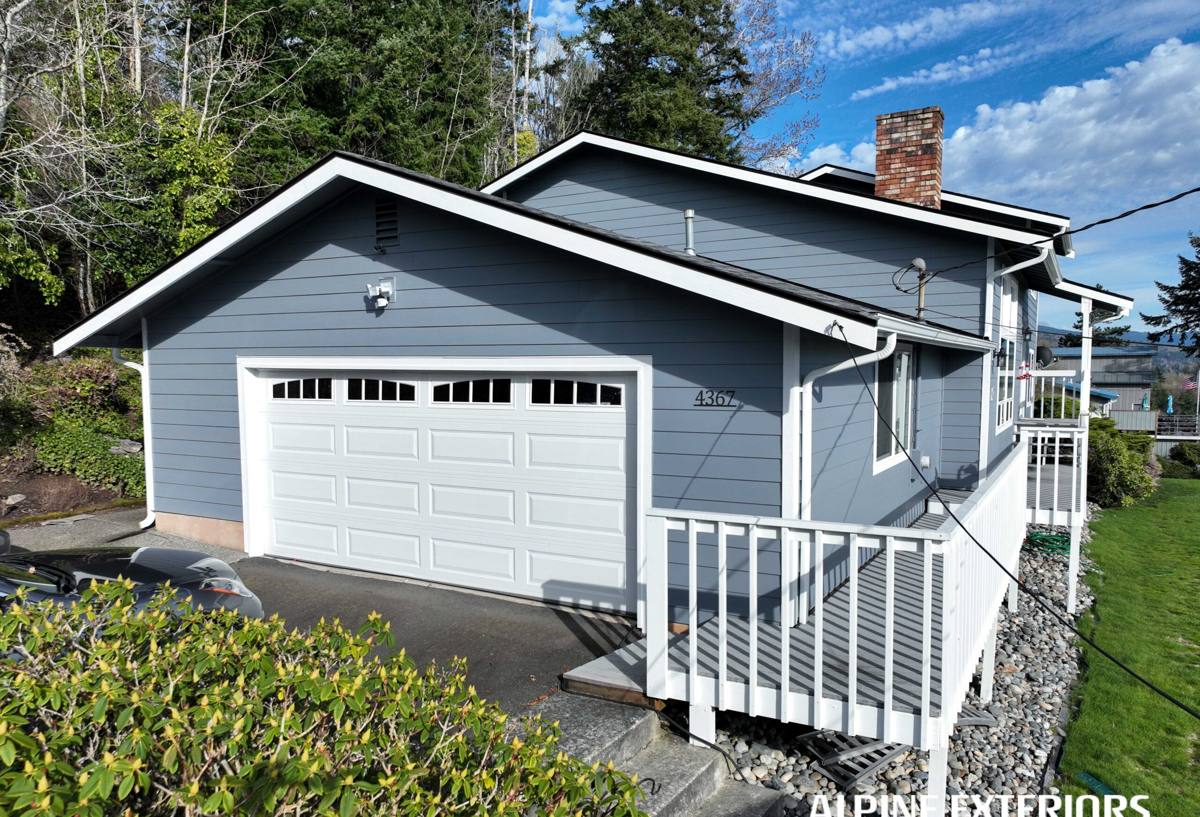
What Salt Air, Rain, and Moss Actually Do to a Deck
It helps to understand the specific ways this climate attacks a deck, because it changes what "correct" construction looks like.
Fasteners and Hidden Hardware
Salt air accelerates corrosion in metal fasteners, joist hangers, and structural screws — especially on decks that face open water or catch onshore breezes. Standard zinc-coated hardware that would be fine fifty miles inland can start rusting within a few years out here. Once a fastener corrodes, it loses holding strength long before the rust is visible from the surface, which is one reason older decks in this neighborhood sometimes feel "soft" or slightly loose without any obvious cause.
Ledger Boards and the House Connection
The ledger board — where the deck attaches to the house — is the single most important structural connection on any deck, and it's also the point most exposed to wind-driven rain. If flashing wasn't installed correctly, or wasn't installed at all, water works its way behind the ledger and into the rim joist and framing of the house itself. This is quiet, slow damage that often isn't caught until siding or interior work is opened up.
Moss, Algae, and the Shade Problem
Skagit County's long wet season, combined with tree cover and homes packed relatively close together in this older part of town, means many decks spend a good chunk of the year in shade with limited airflow. That's exactly the environment moss and algae need. Beyond looking bad, a mossy deck surface holds moisture against the wood or composite longer, gets slick and genuinely dangerous underfoot, and on wood decking accelerates rot at the board surface.
Choosing Decking Material for This Climate
There's no single "best" decking material — there's a best material for your budget, your maintenance appetite, and how exposed your specific deck is to weather. Here's how the common options actually perform in a marine climate like Anacortes.
| Material | Upfront Cost | Maintenance Needed | Performance in Salt Air & Rain |
|---|---|---|---|
| Pressure-treated wood | Lowest | Annual cleaning, re-staining every 2-3 years | Prone to moss growth and surface checking if maintenance lapses |
| Cedar | Moderate | Regular sealing to preserve color and resist moisture | Naturally rot-resistant, but still needs upkeep near open water |
| Capped composite | Higher | Occasional washing, no staining or sealing | Strong moisture resistance; some entry-level composites still stain or grow surface algae |
| PVC decking | Highest | Lowest — periodic washing only | Doesn't absorb moisture, best resistance to moss and rot over time |
We'll walk you through these trade-offs honestly during your estimate. Wood costs less up front but demands consistent maintenance to hold up here — skip a couple of seasons of sealing and a wood deck in this climate can deteriorate faster than the same deck would inland. Composite and PVC cost more initially but take the maintenance burden off your plate, which matters if you'd rather spend weekends doing anything other than re-staining a deck every other year.
What a Correctly Built Deck Involves Here
Footings and Drainage
Footings need to be sized and set below frost depth per local code, but just as important in this climate is making sure water doesn't pool around posts and footings. Poor site drainage combined with our wet season is a common reason older decks develop soft, unstable posts years before the visible decking shows any wear.
Framing and Structural Spacing
Joist spacing, beam sizing, and hanger selection all need to match the actual decking material and expected loads — this isn't a place to cut corners. We use stainless or heavy-duty coated fasteners and hangers rated for exterior, high-moisture use rather than standard-grade hardware that corrodes faster near the water.
Railings and Code
Railing height, baluster spacing, and guard requirements are set by building code, not preference, and they get enforced at inspection. We build to code as a baseline, then talk through style options — cable rail, traditional wood balusters, metal panels — that fit the age and character of an Old Town home.
Our Deck Building Process
- On-site assessment. We look at your existing deck (if there is one), sun and wind exposure, drainage, and how the space connects to your home.
- Honest material discussion. We walk through wood, composite, and PVC options against your budget and how much maintenance you actually want to take on.
- Design and permitting. We handle the plans and permit submission so the project meets current Anacortes and Skagit County building code from day one.
- Demolition and site prep. Old decking and, if needed, deteriorated framing or footings are removed and hauled off.
- Structural build. Footings, framing, ledger flashing, and structural connections are completed and typically inspected before decking goes down.
- Decking, railing, and finish work. Surface material and railings are installed to spec, with attention to fastener placement and drainage gaps between boards.
- Final walkthrough. We go over care and maintenance specific to the material you chose so you know what to expect season to season.
Permits and Building Codes in Anacortes and Skagit County
Most new decks and significant deck rebuilds in Anacortes require a permit, and inspections typically check footings, framing, and railing details before the project is signed off. This matters more than it might seem — an unpermitted deck can create problems at resale, with insurance, or if there's ever a structural issue down the line. We handle the permitting process as part of the job rather than leaving it on the homeowner to sort out.
Maintaining Your New Deck Year-Round
Whatever material you choose, a little seasonal attention goes a long way in this climate. Here's what we recommend to every Old Town Anacortes homeowner:
- Sweep leaves and debris off the surface regularly during fall — trapped organic matter feeds moss and algae growth.
- Rinse or lightly scrub the deck surface each spring before moss gets a foothold from the wet winter months.
- Check and clear gaps between boards so water can drain instead of sitting against the surface.
- Inspect railings and structural connections annually for looseness, especially after winter storms.
- For wood decks, re-seal or re-stain on the schedule recommended for your specific product — don't wait until it visibly needs it.
- Keep an eye on the ledger board area where the deck meets the house for any signs of water staining or soft wood.
Why Hire a Crew That Already Works Old Town Anacortes
A deck contractor who mostly works drier, inland areas can still build a structurally sound deck — but they may not think twice about fastener grade, ledger flashing detail, or material choice the way a crew that works this specific coastline does every week. We see how decks in this neighborhood actually age, which older homes tend to have drainage or ledger issues, and which materials hold up versus which ones look good on day one and struggle by year three. That local pattern recognition is worth something when you're making a decision you'll live with for the next couple of decades.
We're also close by, which matters for the practical stuff: showing up for the permit inspection window, coming back for a warranty check, or being reachable if a question comes up after the crew has moved to the next job.
Get a Free, No-Pressure Estimate
If you're planning a new deck or replacing one that's past its prime, we're happy to take a look, talk through material options honestly, and give you a straightforward estimate — no pressure, no pushy sales pitch. Use the form below to get started.