 Anacortes Siding
 Siding Built for Life on Guemes Island
Guemes Island sits a short ferry ride off Anacortes, and that separation from the mainland matters more than most homeowners realize when it comes to exterior work. Island homes take a steadier beating from salt-laden air off Rosario Strait and the surrounding waters, and they don't get the benefit of quick same-day contractor visits that mainland Anacortes properties do. When siding fails on Guemes Island, homeowners are often looking at longer lead times to get it fixed, more logistics to coordinate, and more exposure in the meantime. That makes getting the installation right the first time a bigger deal here than almost anywhere else in Skagit County.
We install James Hardie fiber cement siding exclusively, and Guemes Island is exactly the kind of environment that explains why. Salt air, driving rain off open water, and a long moss season that never really lets up all combine to punish exterior materials in ways that inland siding never has to deal with. This page walks through what that means for a siding installation project on the island — what the climate actually does to a house, what a correct installation involves, and why the crew doing the work matters as much as the product itself.
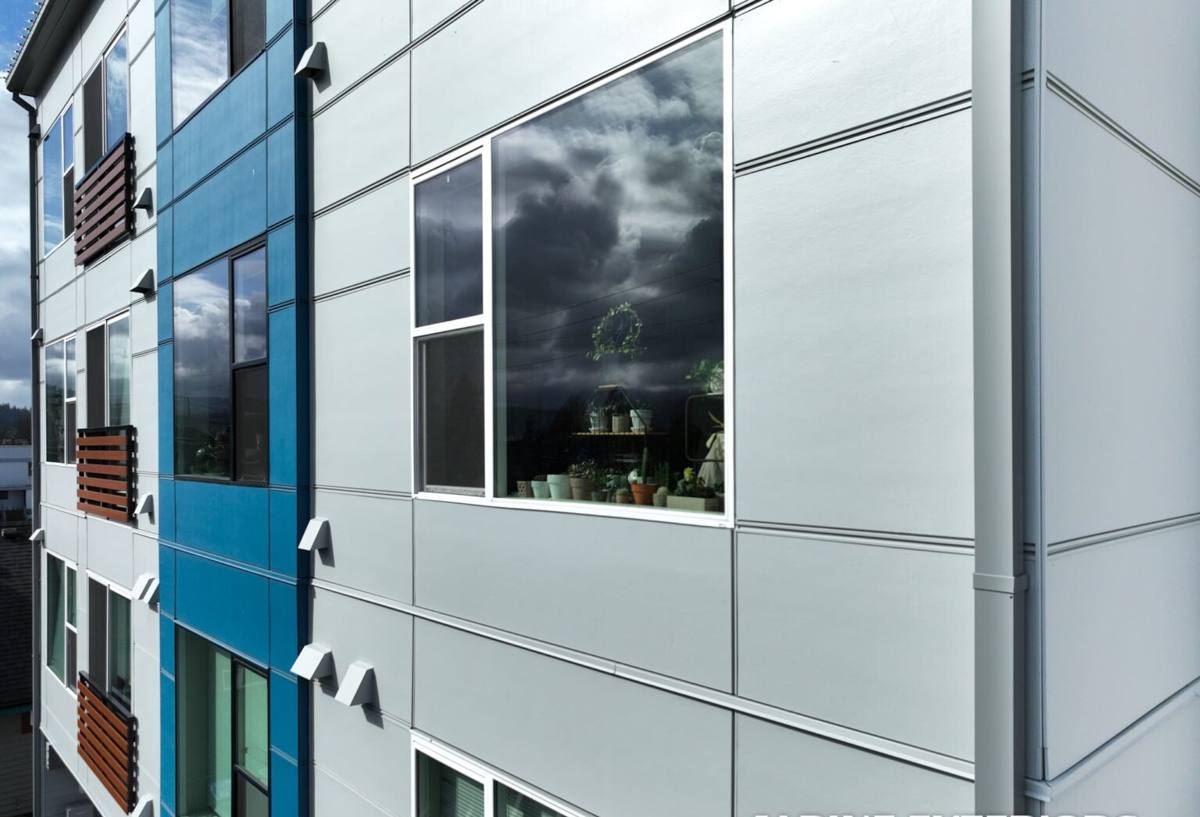
What Guemes Island's Climate Does to a House
Salt Air and Marine Exposure
Homes on or near the water on Guemes Island are exposed to salt-laden air more consistently than most Anacortes properties set back from the shoreline. Salt is corrosive to fasteners, trim metal, and any siding material with weak points where moisture and salt can work their way in. Fiber cement doesn't corrode, but the fasteners, flashing, and trim details around it absolutely can if the wrong materials are used or installed carelessly. On an island property, that's not a minor cosmetic issue — it's the difference between a wall system that holds up for decades and one that starts showing rust streaks and soft trim within a handful of years.
Driving Rain and Wind-Driven Moisture
Guemes Island doesn't have much to block weather coming off open water. Wind-driven rain hits siding at an angle, not straight down, which means it's constantly testing every seam, joint, and penetration in the wall — not just the flat field of the siding itself. A siding system with weak water-shedding details will let moisture find its way behind the cladding over time, and once water gets behind siding on a coastal property, it tends to stay wet longer because the air itself carries more humidity to begin with.
Moss, Algae, and a Long Wet Season
The Pacific Northwest's wet season is long to begin with, and island and coastal Skagit County properties often see it stretch even further thanks to marine humidity and shaded, tree-covered lots common on Guemes Island. Moss and algae growth on siding isn't just cosmetic — sustained organic growth holds moisture against the surface, which accelerates whatever degradation process is already underway. Siding that resists moisture absorption in the first place, and that finishes smooth enough to make moss harder to establish and easier to clean off, has a real advantage in this climate.
Why We Only Install James Hardie Fiber Cement Here
We don't offer vinyl, LP SmartSide, primed wood, cedar, or other fiber cement brands, and Guemes Island is a good illustration of why we've drawn that line. Vinyl siding softens, warps, and can pull away from fastening points when it's regularly hit with wind-driven rain and temperature swings near open water — and it doesn't offer meaningful protection against the kind of sustained moisture exposure island homes see. Wood-based products, including primed spruce and cedar, need consistent maintenance to keep moisture out, and that maintenance schedule is harder to keep up with on an island where getting a contractor or painter out isn't as simple as a phone call and a same-day visit.
James Hardie fiber cement is engineered specifically for climates like this. It's non-combustible, it doesn't absorb and swell with moisture the way wood-based products do, and the ColorPlus factory finish is baked on and warrantied against fading and peeling — which matters when your home is getting hit with salt air and UV reflected off open water. Hardie's HZ5 product line in particular is engineered for harsh climate zones, and while Anacortes doesn't have hurricane exposure, the sustained moisture and wind load on Guemes Island properties benefits from that same engineering margin.
| Climate Factor | What It Does to Siding | Why Hardie Fiber Cement Holds Up |
|---|---|---|
| Salt air | Corrodes exposed metal, degrades weak trim and fastener systems | Non-corrosive material; correct fasteners and flashing detailed to match |
| Driving rain | Finds gaps at seams, penetrations, and poorly lapped joints | Engineered water-management details and proper lap/flashing installation |
| Long moss season | Sustained moisture against the surface accelerates decay and staining | Low water absorption; smooth ColorPlus finish resists organic growth buildup |
| UV and marine glare | Fades and chalks paint finishes over time | Factory-applied ColorPlus finish with a dedicated fade warranty |
| Wind exposure | Stresses fastening points and loose or failing panels | Correct fastener schedule and installation to manufacturer spec |
What a Correct Siding Installation Involves
Starting Beneath the Siding
The siding itself only performs as well as what's behind it. On a Guemes Island property, that means a properly installed weather-resistive barrier, correctly flashed windows and doors, and attention to how water is meant to drain if it does get past the outer layer. Skipping or rushing this step is one of the most common causes of siding failure — not because the siding material was wrong, but because the assembly behind it wasn't built to actually manage water.
Fastening and Lap Details
James Hardie specifies exact fastener types, spacing, and lap requirements for a reason — those details are what keep wind-driven rain from working its way behind the panels. On a wind-exposed island lot, getting the fastener schedule right isn't optional detail work, it's the difference between siding that stays tight for decades and siding that starts loosening at the edges within a few seasons.
Trim, Flashing, and Penetrations
Every window, vent, light fixture, and corner is a place water can get in if it's not detailed correctly. This is where a lot of installations go wrong even when the siding material itself is high quality. Proper flashing and sealant work at every penetration is what actually keeps a marine-exposed home dry, and it's usually the part of the job least visible to the homeowner once it's finished.
Ventilation and Rainscreen Considerations
Depending on the specific home and its exposure, a rainscreen gap behind the siding can give any moisture that does get past the outer layer a path to dry out instead of sitting against the sheathing. On a property with heavy shade, tree cover, or persistent dampness — common on parts of Guemes Island — that drying path matters more than it would on a drier, more exposed lot.
Our Process for a Guemes Island Project
- On-site assessment of the home's exposure — proximity to water, prevailing wind direction, tree cover, and existing moisture or moss issues
- Inspection of the existing wall assembly where siding is being removed, checking for hidden water damage before new material goes on
- Ferry and logistics planning built into the project timeline up front, so material delivery and crew scheduling don't become a surprise mid-project
- Correct weather-resistive barrier and flashing installation before any siding goes up
- James Hardie panels, trim, and fasteners installed to manufacturer specification, including fastener spacing and lap requirements suited to the site's wind exposure
- Final walkthrough covering care and maintenance specific to a marine, moss-prone environment
Why Hiring a Crew That Already Works Guemes Island Matters
Island projects have logistics that mainland Anacortes jobs don't. Ferry schedules affect when material can arrive and when crews can be on-site. A contractor unfamiliar with that reality can turn a straightforward project timeline into a frustrating one, with delays that have nothing to do with the actual siding work. A crew that already plans around the ferry, already understands the wind and moisture exposure specific to island lots, and already knows what correct installation looks like in this climate isn't guessing at any of that — they've built it into how they scope and schedule the job from the start.
There's also a service-life argument for getting it right the first time on an island property. A siding failure that would be a minor inconvenience to fix on the mainland — a quick trip out, a same-day repair — becomes a bigger logistical undertaking on Guemes Island. That raises the stakes on correct installation up front: proper flashing, correct fastener schedules, and a water-management assembly that's actually built to handle driving rain and salt exposure, not just siding that looks right on installation day.
Maintenance Expectations After Installation
James Hardie siding is low-maintenance compared to wood or vinyl, but "low-maintenance" doesn't mean "no maintenance," especially in a moss-prone marine climate. A periodic rinse to keep organic growth from establishing, an occasional visual check of caulking and trim joints, and prompt attention if you notice any softening or staining around penetrations will keep the system performing the way it's designed to. Because ColorPlus finish is factory-applied and warrantied, homeowners don't need to worry about repainting on the same schedule wood siding demands — which is a real advantage on a property where scheduling outside contractors takes more planning.
Getting an Estimate for Your Guemes Island Home
Every property on Guemes Island has its own exposure — some lots sit close to the water and take the full brunt of wind and salt air, others are more sheltered by trees but deal with more shade and moss. A useful estimate accounts for your specific site, not a generic average. If you're planning a siding project on Guemes Island, we're glad to take a look, walk through what your home's exposure actually calls for, and put together a free, no-pressure estimate using the form below.