 Anacortes Siding
 Building New in Similk Beach? Your Windows Need to Match the Site
Similk Beach sits close enough to the water that salt air, wind-driven rain, and long stretches of damp, shaded weather are simply part of the building conditions — not an occasional inconvenience. When a home is going up from the studs out, the window package is one of the few decisions that's far cheaper to get right the first time than to fix after drywall and siding are in. New-construction windows are set into the rough openings before the weather barrier and siding go on, which means the flashing, the fastening, and the window unit itself all need to work together as one system from day one.
We install new-construction windows on homes throughout the Anacortes area, including Skagit County's coastal pockets like Similk Beach, and we frame every recommendation around what this specific site does to a house over time — not a generic checklist.
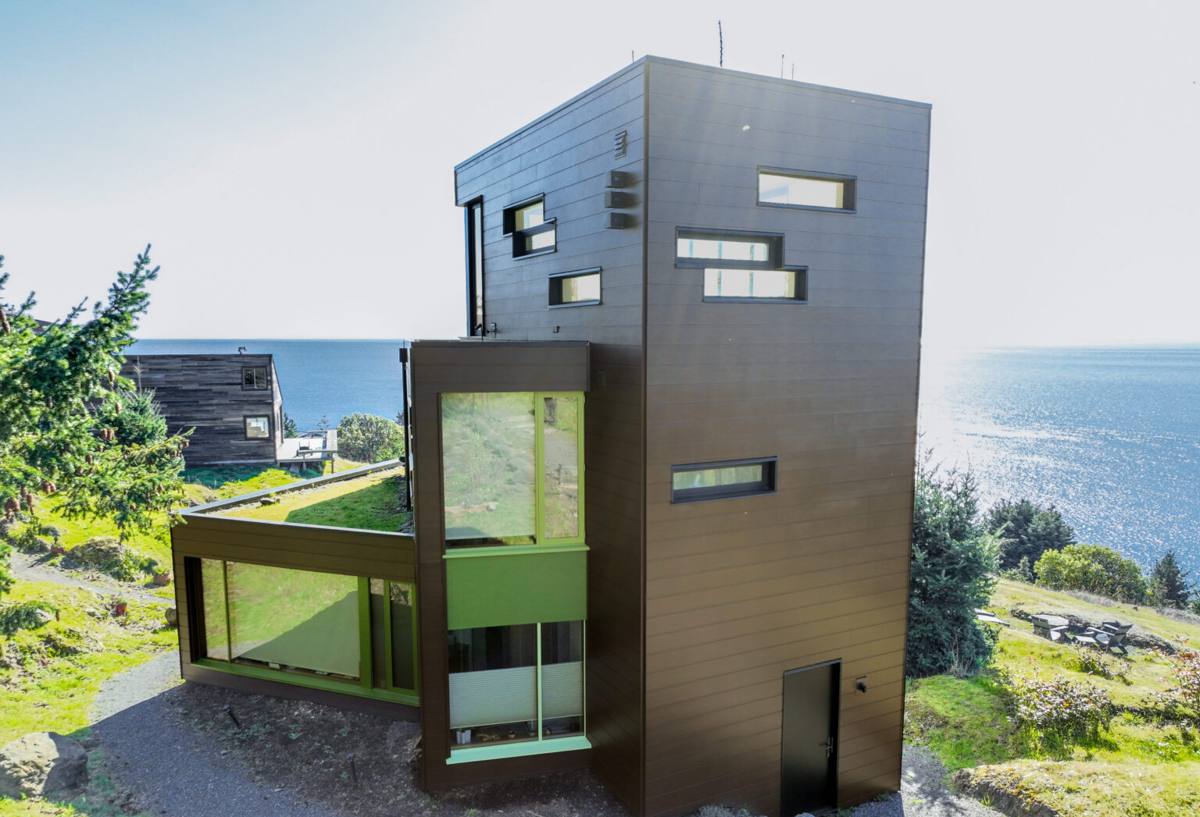
What the Similk Beach Climate Actually Does to Windows
Salt Air and Metal Fatigue
Airborne salt from the Similk Bay and Puget Sound shoreline settles on every exterior surface, including window frames, hardware, and fasteners. Over years, it accelerates corrosion on lower-grade metal components — hinges, cranks, screws, and cladding fasteners that weren't specified for a marine-influenced environment. This is one of the biggest reasons material choice on a new build here matters more than it would 20 miles inland.
Driving Rain and Wind-Loaded Water
Storms coming off the water don't just fall straight down — wind pushes rain sideways into wall assemblies with real force. A window that would perform fine in a sheltered inland lot can leak at Similk Beach if the flashing details, sill pans, and sealant joints aren't built to handle water that's actively being driven uphill and sideways by wind, not just gravity.
Moss Season and Prolonged Dampness
Western Washington's long wet season means window sills, trim, and the wall cavity around openings stay damp for extended stretches. Moss and algae growth on nearby siding and trim is a visible sign of how much moisture the building envelope is dealing with. Windows that trap or wick moisture instead of shedding it become a slow rot problem hidden behind trim before anyone notices.
What Correct New-Construction Window Installation Involves
New-construction windows have a nailing fin (or flange) that gets integrated into the weather-resistive barrier before siding goes on. Done correctly, that integration is what actually keeps water out — the window unit itself is only part of the system.
- Rough opening check — verifying the opening is square, level, and sized correctly before the window ever gets set.
- Sill pan flashing — a sloped, sealed pan at the bottom of the opening so any water that gets past the window drains back out instead of pooling in the framing.
- Window setting and shimming — the unit is shimmed plumb, level, and square, then fastened per the manufacturer's schedule so the frame doesn't rack or bind.
- Flange integration with the WRB — house wrap or building paper is lapped over the flanges in the correct shingle-style sequence (top last) so water sheds down and out, never behind the barrier.
- Sealant at the right joints only — sealing everywhere sounds thorough but can trap water where it needs to drain; the right joints get sealed and the right ones are left open.
- Interior air sealing and insulation — the gap between the frame and framing is insulated and air-sealed without overpacking, which can bow the frame.
Skip or rush any one of these steps and the window can look fine for a year or two before a leak shows up — often well after the builder has moved on.
Choosing a Window Package for This Site
Not every window line sold in the Pacific Northwest is built the same way, and on a marine-influenced lot like Similk Beach the differences show up faster than they would elsewhere. Our standard is to spec frame materials, hardware, and glazing packages that are proven for coastal exposure, and to be upfront when a product looks good on paper but carries known trade-offs in salt air or constant damp — that's a maintenance and longevity call, not a knock on any one brand.
| Factor | Why It Matters at Similk Beach |
|---|---|
| Frame material corrosion resistance | Hardware and fasteners exposed to salt air need coatings or alloys rated for marine or coastal use, not standard interior-grade parts. |
| Glazing / low-E coating | Reduces heat loss during long damp, overcast stretches and cuts condensation on interior glass. |
| Frame/sash weather seals | Wind-driven rain finds weak seals fast; dual or triple weatherstripping holds up better under sustained wind pressure. |
| Cladding vs. bare wood exterior | Vinyl, fiberglass, or clad-wood exteriors shed moisture and resist rot better than exposed wood trim in a wet, mossy microclimate. |
| Warranty structure | Coastal exposure can affect what's actually covered — worth reading before, not after, install. |
Sizing, Layout, and the Realities of a Water-Facing Lot
Window placement on new construction isn't just an architectural decision — it affects how much weather exposure each opening gets. Elevations facing the water or the prevailing wind direction take the brunt of driving rain and salt spray, and that's worth factoring into glazing choices, overhang depth, and even which openings get the most robust flashing detail. A well-designed roof overhang can do more to protect a window long-term than almost any upgrade to the window itself, so we look at the whole wall assembly, not the window in isolation.
Our Process for New-Construction Window Installs
- Plan review — we look at window schedules, elevations, and rough opening dimensions before anything is ordered.
- Site walk — confirming exposure direction, overhang depth, and any site-specific wind or drainage concerns unique to the lot.
- Material selection — recommending frame, glazing, and hardware suited to Similk Beach's coastal exposure and Skagit County's wet season.
- Coordinated install timing — windows go in at the right point in the framing sequence, ahead of the WRB and siding, so flashing laps correctly.
- Flashing and sealing to a documented sequence — not "seal everything," but the specific lap order and joint selection that keeps water moving out and down.
- Final check and cleanup — operation, seal integrity, and site cleanup before we call it done.
A Practical Checklist Before You Sign Off on a Window Package
- Are the frame and hardware rated for coastal/marine exposure, or standard-grade for inland use?
- Does the installer have a documented flashing sequence, or are they sealing by feel?
- Is there a sill pan flashing detail, or does the window sit directly on the rough sill?
- What's the actual warranty coverage for a home this close to saltwater?
- Has the installer worked in Anacortes or elsewhere in Skagit County's coastal zones before?
- Are overhangs and site exposure being factored into which windows need extra protection?
Why Local Experience on This Type of Site Matters
A crew that mostly installs windows on sheltered, inland lots can do competent work and still miss the details that matter on a site exposed to Similk Bay's wind and salt spray. The flashing sequence doesn't change dramatically, but the margin for error does — a slightly short lap or a sealant joint left open in the wrong spot shows up faster and worse here than it would in a more protected location. We've installed windows across Anacortes and the surrounding Skagit County coastline, and we bring that same standard to every opening, whether it's one replacement window or a full new-construction package.
Timeline and What to Expect
New-construction window installs are scheduled around the framing sequence, not on their own timeline — windows typically go in once the house is framed and sheathed but before siding starts. On a typical single-family home, setting and flashing the full window package takes a few days, though that depends on the number of openings, window sizes, and weather windows for the WRB and flashing work. We coordinate directly with your builder or general contractor so the sequence isn't held up waiting on windows, and so the flashing work isn't rushed to hit someone else's schedule.
Get a Straight Answer for Your Similk Beach Build
If you're framing a new home or planning one in Similk Beach, it's worth getting a window package specified for the actual site conditions before anything is ordered — not after a leak shows up two winters in. We'll walk the plans or the lot with you, talk through material and glazing options honestly, including the trade-offs, and give you a straightforward estimate with no pressure to upgrade past what the site actually calls for. Use the form below to get started.