 Anacortes Siding
 Similk Beach Sits Right at the Edge of the Weather
Similk Beach is one of those Anacortes-area neighborhoods where you can feel the difference the moment you step outside. The homes here sit close enough to Similk Bay and the surrounding waterways that salt-laden air is a daily fact of life, not an occasional nuisance. Add in the driving rain that rolls off the Sound through most of the fall and winter, plus the deep shade and dampness that a lot of these lots hold onto well into spring, and you've got one of the more demanding siding environments in Skagit County.
Siding on a Similk Beach home isn't decorative. It's the single biggest barrier between that weather and the framing, sheathing, and insulation underneath. When it's installed right with the right material, it holds up for decades. When it's installed with shortcuts, or with a product that wasn't built for this kind of exposure, the problems show up faster than most homeowners expect — and they show up from the inside out, which is the worst way to find them.
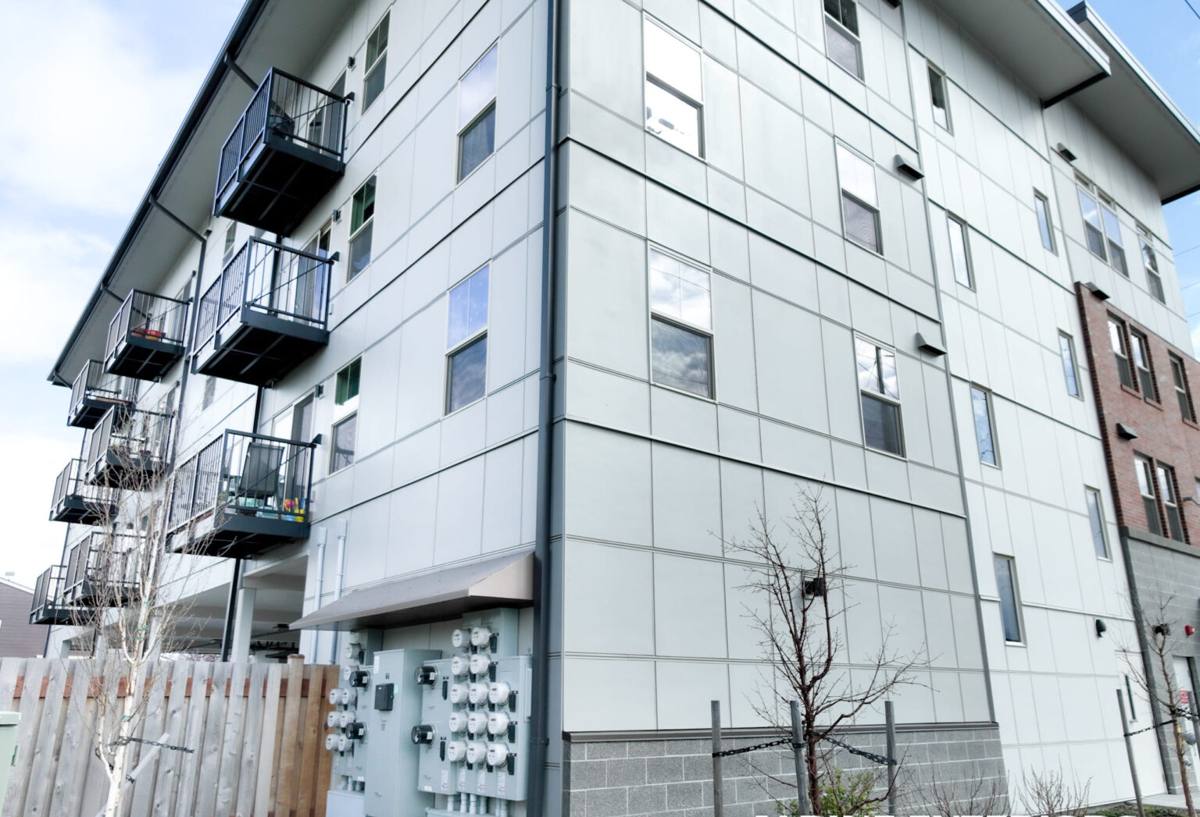
What Salt Air and Driving Rain Actually Do to Siding
It helps to understand the specific ways this climate attacks a home's exterior, because it explains almost every decision we make on a Similk Beach installation.
Salt Air
Airborne salt is corrosive to exposed metal fasteners, trim flashing, and hardware. It also accelerates the breakdown of lower-grade paints and coatings, which is why siding that looked fine for the first few years near the water can start chalking, fading, or peeling well ahead of schedule. Anything installed on a waterfront-adjacent property needs fasteners and flashing rated for that exposure, and a finish that's engineered to resist it.
Driving Rain
Rain that comes in sideways off the water doesn't behave like a normal vertical downpour. It gets pushed up under laps, into butt joints, and around window and door trim. A siding system in this location depends on correct overlap, properly flashed penetrations, and a drainage plane behind the siding that can move any water that does get past the surface back out — not trap it against the sheathing.
Moss and Prolonged Dampness
Wooded and partially shaded lots near the water stay damp longer between storms, and that moisture supports moss, algae, and mildew growth on siding surfaces that don't get much direct sun or airflow. Beyond the cosmetic issue, sustained moisture contact is exactly what shortens the life of moisture-sensitive siding materials.
Why We Only Install James Hardie Fiber Cement
We made a decision a while back to standardize on James Hardie fiber cement siding and stop installing vinyl, LP SmartSide, or other engineered wood and composite products — including on jobs exactly like the ones we do around Similk Beach. That wasn't a marketing decision, it was a practical one, driven by what actually holds up in this climate.
Fiber cement is non-combustible, doesn't expand and contract with temperature swings the way vinyl does, and doesn't have exposed wood fiber that can wick moisture at cut edges the way engineered wood products can. James Hardie's ColorPlus factory-applied finish is baked on and warrantied against fading and chipping, which matters a lot in a salt-air environment where a lower-grade finish shows wear early. Hardie also builds region-specific HZ5 product formulations engineered for the moisture patterns of the Pacific Northwest, rather than a one-size-fits-all national product.
None of this means other products are junk — vinyl and engineered wood siding both have a place, and plenty of it is installed correctly elsewhere. It means that for the specific combination of salt exposure, driving rain, and prolonged dampness you get on a lot like a Similk Beach property, we don't think those products give a homeowner the same margin for error over 30-plus years, and we'd rather install one product exceptionally well than several products with reservations.
| Factor | James Hardie Fiber Cement | Vinyl Siding | Engineered Wood (LP SmartSide, etc.) |
|---|---|---|---|
| Moisture behavior | Cement-based, does not absorb water or rot | Water-resistant surface, but seams and gaps can trap moisture behind panels | Wood-fiber core is moisture-sensitive at cuts and edges |
| Salt air / coastal exposure | Factory finish engineered to resist fading and chalking | Can fade and become brittle faster near saltwater | Finish and edges more vulnerable to accelerated wear |
| Fire resistance | Non-combustible | Combustible, can melt or deform near heat sources | Combustible |
| Expansion/contraction | Minimal, stays flatter over temperature swings | Expands/contracts noticeably, can warp or buckle | Moderate |
| Typical warranty | Long-term, factory-backed, transferable | Varies widely by manufacturer and grade | Varies, moisture damage often has stricter conditions |
What a Correct Siding Installation Involves
The material is only part of the equation. A lot of the siding failures we get called out to inspect around Anacortes weren't caused by bad product — they were caused by installation shortcuts that don't show up until years later. On a Similk Beach property, we treat these steps as non-negotiable:
- A properly lapped and sealed weather-resistive barrier behind the siding, with all seams and penetrations taped or flashed
- Correct fastener type, spacing, and embedment per James Hardie's published installation instructions — not generic framing nails at generic spacing
- Flashing at every window, door, and roofline intersection, installed so water sheds outward and down, never inward
- Proper clearance between the bottom of the siding and grade, decks, roof lines, and hardscape, so splashback and standing water don't sit against the material
- Caulking and sealant only where Hardie's specifications call for it — over-caulking can trap moisture instead of keeping it out
- Field-cut edges sealed per manufacturer spec so exposed cement doesn't sit unprotected
Skip any one of these and the siding can look perfect for the first few years while a moisture problem builds behind it. That's the trap with siding work — the mistakes are invisible until the damage is already done.
How This Plays Out on a Similk Beach Job
Every property is different, but jobs in this neighborhood tend to follow a similar rhythm because the site conditions are consistent: closer tree cover in spots, ground that stays damp longer, and wind exposure that varies a lot depending on how a given lot faces the water. Before we quote anything, we walk the exterior and look specifically at:
Existing Moisture Damage
We check trim, corners, and any area where the current siding meets a roofline, deck, or window for soft spots or staining that indicate water has already been getting behind the surface.
Drainage and Grading
Where water sheds off the roof and how it moves around the foundation affects how much splashback the lower courses of siding take, which factors into starter strip height and flashing details.
Shade and Airflow
Sections of a home that stay shaded most of the day are the sections most likely to develop moss and mildew. We factor that into product choice and finish, and we'll flag it honestly if trimming back vegetation would meaningfully extend the life of the siding.
Wind and Salt Exposure
The side of a home that faces open water usually needs the same attention to fastener corrosion resistance and joint sealing as the rest of the house gets doubled up on, since it takes the brunt of both the wind-driven rain and the salt air.
Moss, Algae, and Long-Term Upkeep
No siding product is immune to moss and algae growth in a shaded, damp environment — that's a function of sunlight and airflow as much as material. What changes between products is how easily that growth can be cleaned off without damaging the surface, and how much the surface itself degrades under repeated soft-washing. Fiber cement's factory finish holds up well to routine gentle cleaning, which matters on a property where moss season isn't a one-time event but an annual cycle.
Cost Factors for a Similk Beach Installation
We don't publish blanket pricing because every home is different, but the factors that move the number are consistent. Here's what typically drives cost up or down on a job in this area:
| Factor | Effect on Project |
|---|---|
| Extent of existing moisture or rot damage | Sheathing and framing repairs add cost before new siding can go on |
| Home size and number of stories | More surface area and access complexity (staging, lifts) increase labor |
| Trim and architectural detail | Corner boards, window trim, and multiple roof intersections add flashing and cut work |
| Siding profile and finish selection | Lap width, texture, and ColorPlus finish tier affect material cost |
| Site access and vegetation | Tight lots or heavy tree cover near the structure can slow staging and cleanup |
Why Hiring a Crew That Already Works This Neighborhood Matters
Anacortes and the surrounding Fidalgo Island area aren't uniform — a house two miles inland doesn't take the same weather beating as one sitting close to Similk Bay. A crew that regularly works waterfront and near-waterfront properties in Skagit County already knows to spec corrosion-resistant fasteners without being asked, already knows which flashing details matter most on a windward wall, and already knows how moss and shade patterns in this specific pocket of the county affect long-term maintenance. That local pattern recognition is hard to get from a crew that mostly works inland subdivisions, and it's the difference between siding that looks good at installation and siding that still looks good in year fifteen.
A Simple Maintenance Checklist for Similk Beach Homeowners
- Rinse siding gently once or twice a year to clear salt residue and organic buildup, especially on shaded walls
- Walk the exterior after major windstorms and check trim, corners, and flashing for visible gaps or damage
- Keep vegetation trimmed back from siding to improve airflow and reduce moss growth
- Check caulking around windows and doors annually and have any cracked or missing sections addressed promptly
- Address any soft spots, staining, or bubbling paint right away rather than waiting for a full inspection cycle
If your Similk Beach home is due for new siding, or you're seeing early signs of moisture or wind damage on what's up there now, we're happy to take a look and walk you through what we're seeing and why. A free, no-pressure estimate is the easiest way to find out where your home stands — just fill out the form below and we'll get in touch.