 Anacortes Siding
 Windows Built for Similk Beach's Salt Air and Rain
Similk Beach sits close enough to the water that homes here take a different kind of weathering than houses further inland in Skagit County. Salt-laden air off the bay works into aluminum hardware and steel fasteners faster than it does a few miles east. Driving rain off Puget Sound finds every gap in old flashing. And the long stretch of gray, wet months from fall through spring keeps wood trim damp for weeks at a time, which is exactly the environment moss and mildew need to take hold. None of this is unusual for western Washington, but it does mean window installation in this neighborhood isn't quite the same job as it would be on the dry side of the state — the materials, the flashing detail, and the sealants all need to account for near-constant moisture exposure.
We install windows across Anacortes and the surrounding Skagit County waterfront communities, and Similk Beach shows up in our schedule regularly enough that we know its housing stock: a mix of older single-story homes with original wood or aluminum windows, and newer builds that are due for their first replacement cycle. Whichever category your house falls into, the fundamentals of a correct installation here don't change — but the details that make or break long-term performance absolutely do.
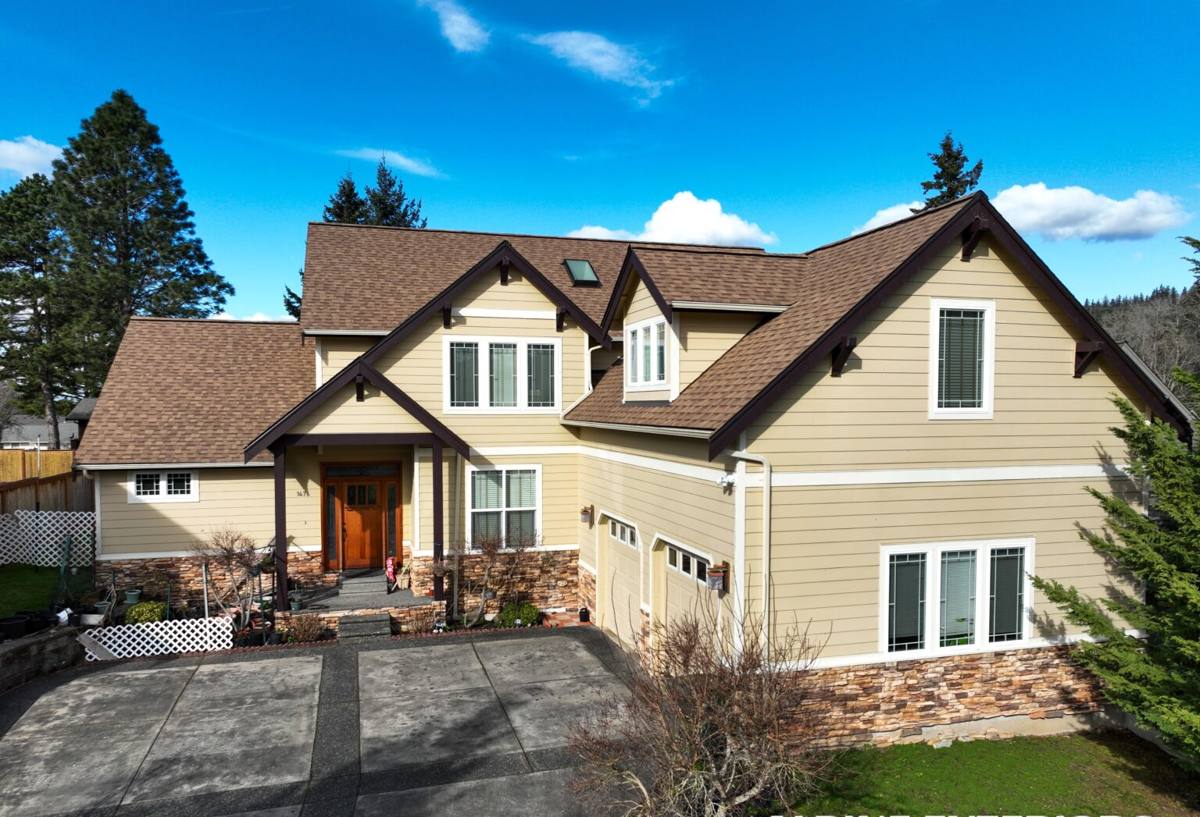
How Coastal Exposure Wears Down Windows
Before talking about installation, it helps to understand what's actually failing on older windows in this area. It's rarely the glass itself. It's almost always one of three things:
- Corroded hardware. Salt air accelerates corrosion on aluminum frames, steel screws, and window locks — especially on the sides of a house facing open water or prevailing wind.
- Failed seals and flashing. Old caulk and building paper degrade over years of wetting and drying. Once water gets behind the trim, it doesn't dry out fast in our climate — it just sits and does damage.
- Wood rot at sills and trim. Moss and algae hold moisture against wood surfaces. Combined with limited direct sun on shaded or north-facing walls, damp wood trim can stay wet for most of the winter.
If you're seeing fogged glass between panes, drafts you can feel with your hand, soft or discolored trim, or windows that are getting hard to open and close, those are the practical signs it's time to look at replacement rather than another round of caulk and paint.
Quick Self-Check Before You Call
- Hold a lit candle or damp hand near the frame on a windy day — flickering or coolness means air is moving through
- Look for water staining or bubbled paint on interior sills
- Check exterior trim for soft spots with a screwdriver tip — rot gives, sound wood doesn't
- Note any windows that have become difficult to lock or that no longer sit flush when closed
- Look at the caulk line around each frame — cracked, shrunk, or missing caulk is an open invitation for water
What a Correct Installation Actually Involves
Window installation looks simple from the outside — pull the old one, set the new one, caulk the edges. Done wrong, that approach is exactly how houses end up with rot hidden behind the trim two or three years later. A proper job, especially in a wet coastal setting like Similk Beach, follows a sequence that's built around keeping water out and letting any moisture that does get in find its way back out.
The Water Management Sequence
Every opening gets treated as a system, not just a hole for a window:
- Remove the old unit carefully and inspect the rough opening for rot, soft framing, or prior water damage before anything new goes in.
- Repair or replace damaged framing — installing a new window into a compromised opening just hides the problem, it doesn't fix it.
- Install a sloped sill pan so any water that gets past the window drains back out rather than pooling on the sill.
- Apply flashing tape and weather-resistant barrier in the correct shingle-lap order — bottom to top — so water sheds down and out at every layer, not up and behind the siding.
- Set the window plumb, level, and square, shimmed correctly so the frame isn't under stress that can crack seals over time.
- Seal and insulate the gap between the frame and rough opening with the right combination of low-expansion foam and backer rod — overfilled gaps distort frames, underfilled ones leak air.
- Finish exterior trim and caulk with a sealant rated for marine/coastal exposure, not a generic all-purpose caulk that breaks down faster in salt air.
Skip the sill pan or get the flashing lap order backwards, and you can end up with a window that looks fine for a year or two while water quietly works its way into the wall cavity behind it. That's the kind of damage that's expensive to find and expensive to fix — far more than the cost difference of doing it right the first time.
Choosing the Right Window for This Location
Frame material matters more here than it would in a drier inland neighborhood. We steer most Similk Beach customers toward vinyl or fiberglass frames for their exterior-facing windows, for straightforward, honest reasons: they don't corrode, they don't need repainting, and they handle repeated wetting and drying without the maintenance burden wood carries. Wood-clad windows can still be the right call for certain architectural styles, but they come with a maintenance commitment — regular inspection and refinishing of any exposed wood — that not every homeowner wants to take on with this much rain in the annual forecast.
| Frame Material | Coastal Performance | Maintenance | Typical Fit |
|---|---|---|---|
| Vinyl | Excellent — won't corrode or rot | Low — occasional cleaning | Most homes, best value |
| Fiberglass | Excellent — very stable, low expansion | Low | Larger openings, higher-end remodels |
| Aluminum | Fair — prone to salt-air corrosion over time | Moderate — hardware needs monitoring | Modern/commercial-style aesthetics |
| Wood / wood-clad | Good if maintained, poor if neglected | High — regular refinishing needed | Historic or traditional-style homes |
Glass matters too. We generally recommend dual-pane, low-E, argon-filled units for this area — the low-E coating helps manage heat loss during our long heating season, and a good gas fill and warm-edge spacer system resists the seal failures that show up as fogging between panes after a few damp winters.
What Drives the Cost of a Window Project
Every home is different, so we don't quote sight unseen, but a few factors consistently move the price up or down on jobs in this area:
| Factor | Why It Matters |
|---|---|
| Number and size of openings | More and larger windows mean more labor and material |
| Frame material chosen | Vinyl is typically the most budget-friendly; fiberglass and wood cost more |
| Condition of the rough opening | Rot repair or reframing adds time and cost beyond a straightforward swap |
| Access and building height | Second-story or hard-to-reach windows take longer to stage safely |
| Trim and siding work | Matching existing trim or repairing siding around the opening adds scope |
| New construction vs. replacement | Full-frame replacement involves more flashing and siding work than insert replacement |
Given all of that, we'd rather walk the house and give you real numbers than throw out a broad range that doesn't mean much either way. That's what the free estimate is for.
Our Installation Process, Start to Finish
Homeowners generally want to know two things going in: how disruptive is this, and how long does it take. Here's the honest answer for a typical Similk Beach project.
Before the Crew Arrives
We measure every opening precisely and order windows to those exact dimensions — no adjusting on the fly, which is where a lot of installation problems start. We also walk the exterior with you to flag any siding or trim areas that look like they'll need attention once the old windows come out.
Installation Day
Most standard replacement jobs move at a pace of several windows per day, depending on size and complexity. We work room by room so your house isn't fully open to the weather at once, and we protect flooring and interior surfaces before removing anything. Each opening gets the full water-management sequence described above — no shortcuts because a window "looks" fine going in.
After Installation
We clean up job-site debris, walk you through operating and locking each new window, and do a final check of caulk lines and trim. If we uncovered any framing issues during removal, we'll have discussed the fix with you before closing anything up — no surprise change orders after the fact.
Why a Local Crew Matters in This Neighborhood
Window installation isn't a one-size-fits-all trade, and a crew that mainly works drier climates or unfamiliar coastal conditions can make honest mistakes that a local installer wouldn't — using the wrong caulk for salt exposure, skipping a sill pan because "it's just a straightforward swap," or not recognizing early rot signs specific to this area's moss and mildew patterns. We work Similk Beach and the rest of the Anacortes waterfront regularly enough to know which walls take the worst weather, which older homes tend to have hidden framing issues behind their original windows, and how to detail flashing so it holds up through another Skagit County winter, not just until the first hard rain finds a weak spot.
We're also familiar with the permitting expectations for window replacement in the City of Anacortes and unincorporated Skagit County, so if your project needs a permit — which depends on scope, especially for full-frame replacements that alter the rough opening — we handle that conversation as part of the job rather than leaving you to sort it out.
Caring for New Windows in a Coastal Climate
New windows cut down dramatically on the maintenance old, failing units demand, but a little upkeep goes a long way toward getting the full lifespan out of them here:
- Rinse salt residue off exterior frames and glass periodically, especially on sides facing open water
- Check and clean weep holes on vinyl and fiberglass frames so drainage paths stay clear
- Inspect exterior caulk lines each fall before the wet season sets in, and touch up any that look cracked or thin
- Keep gutters and downspouts clear so runoff isn't sheeting directly down over window trim
- Trim back vegetation that's shading window areas and keeping trim damp longer than it needs to be
None of this is a heavy lift, but it's the kind of small, regular attention that keeps a good installation performing well for decades instead of just a handful of years.
Ready to Talk About Your Windows?
If your Similk Beach home has windows that are drafty, fogged, hard to operate, or just original to a house that's ready for an upgrade, we're happy to come take a look. We'll walk the exterior with you, point out anything we see — good or bad — and give you a straightforward, no-pressure estimate based on your actual openings and conditions. Use the form below to get started.