 Anacortes Siding
 Windows on the West Side of Anacortes Work Harder Than Most
Homes on the west side of Anacortes sit closer to open water than almost anywhere else in Skagit County, and their windows take the brunt of it. Salt-laden air corrodes hardware and finishes faster here than it does even a mile or two inland. Wind-driven rain off the water doesn't just fall straight down — it drives sideways into window frames, testing every seal and every piece of flashing. And the long, wet Pacific Northwest moss season keeps sills, tracks, and trim damp for months at a stretch, which is exactly the environment mold, wood rot, and hardware corrosion need to take hold.
None of that means West Anacortes homes need exotic or overbuilt windows. It means they need windows and installation details chosen specifically for this exposure, not a generic product installed the same way it would be in a dry inland climate. That's the difference between a window that looks fine for a year or two and one that still seals tight, operates smoothly, and resists corrosion a decade in.
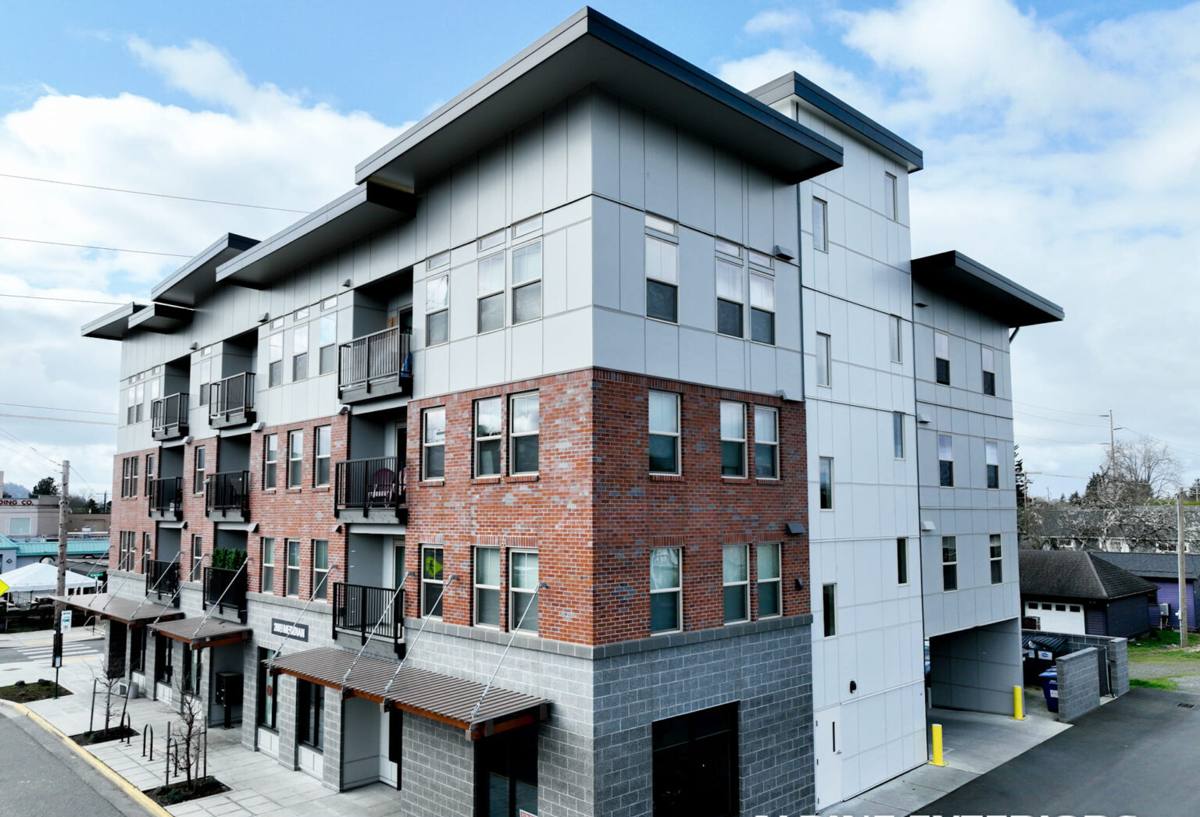
What "Custom" Actually Means on a Job Like This
A lot of homeowners hear "custom windows" and assume it just means a bigger price tag. In practice, custom means the window is built to fit the actual opening in your house — not the other way around.
Why This Matters More on Older West Anacortes Homes
Many homes on this side of town were built decades ago, and openings settle, shift, and go slightly out-of-square over the years — especially in homes that have absorbed years of moisture cycling from marine exposure. Forcing a stock-sized window into an opening that isn't quite square creates gaps that get packed with extra caulk or shim material instead of a proper seal. That's a common shortcut, and it's exactly where water finds its way in during a hard westerly rain.
Custom sizing also matters for less obvious reasons: matching sightlines across a wall of windows, keeping trim reveals consistent, and accommodating openings that were never standard sizes to begin with, which is common in additions and older remodels.
Choosing a Frame Material for Salt Air and a Long Wet Season
Frame material is the single biggest factor in how a window holds up on the west side of town. There isn't one universally "best" material — it depends on your home's exposure, your budget, and how much maintenance you're willing to do.
| Frame Material | Salt Air / Corrosion Resistance | Moisture & Moss-Season Behavior | Maintenance |
|---|---|---|---|
| Vinyl | Good — won't corrode, though hardware inside can still wear | Handles moisture well, doesn't rot | Low; occasional track cleaning |
| Fiberglass | Very good — stable and corrosion-resistant | Excellent; minimal expansion/contraction | Low |
| Wood (unclad) | Poor without diligent upkeep near salt air | Needs consistent sealing to prevent rot and moss growth on sills | High |
| Aluminum-clad wood | Good exterior protection with wood warmth inside | Solid if cladding and flashing are installed correctly | Moderate |
| Bare aluminum | Prone to corrosion and pitting in salt air over time | Conducts cold, can promote condensation | Moderate to high |
For most homes closer to the water in West Anacortes, we lean toward fiberglass or quality vinyl for the exterior-facing performance, or aluminum-clad wood when the homeowner wants a wood interior look with better weather protection than bare wood offers. We generally steer clients away from bare aluminum frames on directly water-exposed elevations — not because the material is bad everywhere, but because the maintenance burden to keep it from pitting and streaking in salt air is more than most homeowners want to take on.
Glass and Energy Performance in a Marine Climate
Glass selection matters as much as frame material, especially with the temperature swings and moisture load that come with living this close to the water.
- Double-pane with Low-E coating is the practical baseline for most Anacortes homes — it balances cost against real energy performance in our mild but damp climate.
- Triple-pane makes the most sense on west- and north-facing walls that take the worst of the wind, or in rooms where condensation on the interior glass has been a recurring problem.
- Argon or krypton gas fills improve insulation value without changing the look of the window, and are worth the modest upcharge on most jobs.
- Condensation resistance matters more here than in a drier climate — persistent interior condensation on window glass is often an early sign the existing units have failed or were never rated for this level of humidity.
Glare and afternoon sun off open water is also worth planning for on west-facing rooms. A slightly different Low-E coating or tint on those specific windows can cut glare without darkening the rest of the house.
The Installation Details That Actually Keep Water Out
Most window failures we see aren't a bad window — they're an installation that skipped a step that only matters when the rain is coming in sideways, which happens regularly on this side of Anacortes.
Sill Pans and Flashing
A sloped sill pan under the window directs any water that gets past the exterior seal back outside instead of letting it pool against the wall sheathing. Flashing tape needs to integrate with the home's weather-resistant barrier in the correct shingle-lap order — house wrap over the top flashing, never under it — so water is always directed down and out, never trapped behind the siding.
Sealant Selection and Placement
Not every exterior sealant is rated for constant salt-air and UV exposure. We use sealants chosen for long-term flexibility and adhesion in this specific environment, and we leave the designed weep paths clear so any incidental moisture can still drain rather than sit against the frame.
Fasteners and Hardware
Standard fasteners can start showing corrosion streaks within a couple of seasons this close to the water. Corrosion-resistant fasteners and hardware cost a little more up front and save homeowners from staining and hardware failure well before the window itself is due for replacement.
Our Process, Start to Finish
- On-site assessment — we measure every opening individually, check for square, and look at existing flashing and any moisture or rot already present.
- Product selection — we walk through frame material, glass package, and hardware options based on that specific wall's sun and weather exposure.
- Custom ordering — windows are built to the actual opening dimensions, not rounded to the nearest stock size.
- Removal and prep — old units come out carefully so we can inspect the framing and sheathing underneath before anything new goes in.
- Installation — sill pans, flashing integration, insulation, and sealant are installed in the correct order for this climate, not just "caulk and trim."
- Final walkthrough — we check operation, seals, and trim with you before considering the job done.
Living With a Long Moss Season: Maintenance That Actually Extends Window Life
Even a well-installed window needs some seasonal attention in a climate where things stay damp for months. A little maintenance goes a long way toward avoiding an early, expensive repair.
- Clear moss and organic debris from sills and tracks before it holds moisture against the frame
- Check weep holes at the base of the frame each fall to make sure they're not clogged with dirt or moss
- Rinse salt residue off frames and hardware periodically, especially on water-facing elevations
- Look for early condensation between panes, which usually signals a failed seal rather than a cleaning issue
- Re-check exterior caulk lines annually — UV and salt exposure break down sealants faster here than inland
Signs It's Time to Replace Rather Than Repair
Not every window problem means full replacement, but a few signs consistently point that direction for homes in this part of Anacortes:
- Fogging or moisture trapped between panes that doesn't clear
- Frames that are soft, discolored, or show visible corrosion at hardware points
- Persistent drafts even after re-caulking
- Difficulty opening, closing, or latching that's gotten worse over a season or two
- Visible gaps or daylight around the frame during a hard rain
Why a Crew That Already Works West Anacortes Makes a Real Difference
Window installation isn't identical everywhere, and a crew that mostly works drier, inland jobs can miss details that matter specifically on this side of Anacortes — flashing sequencing for wind-driven rain, frame choices that hold up to salt air, and drainage details that keep a long moss season from becoming a rot problem. A crew already familiar with West Anacortes homes has usually already seen how the wind comes off the water, which elevations take the worst weather, and where older homes in this area tend to have out-of-square openings or aging flashing behind the siding.
That local familiarity also means fewer surprises during the job itself — knowing what's typically found once old siding or trim comes off around a window opening, and having a plan for it before it becomes a change order.
Get a Straightforward Estimate
If your windows are fogging, drafting, sticking, or just showing their age, we're happy to take a look and give you an honest read on repair versus replacement — no pressure, no inflated scope. Use the form below to request a free estimate for custom window work in West Anacortes.