 Anacortes Siding
 Building Decks for West Anacortes' Marine Climate
West Anacortes sits close enough to the water that homes here deal with a different set of conditions than decks built further inland in Skagit County. Salt-laden air moves in off Fidalgo Bay and the surrounding waterways, driving rain comes in sideways during winter storms, and the shaded, damp stretches of the neighborhood grow moss on almost any horizontal surface that isn't actively managed. A deck built with generic, one-size-fits-all methods will show its age fast here. One built with this specific exposure in mind will still look and perform well a decade later.
We've worked on enough homes in this part of Anacortes to know which details matter most: fastener selection, drainage planning, and how a structure handles months of damp shade every year. This page walks through what we've learned building and repairing decks in West Anacortes specifically, not just siding contractor generalities.
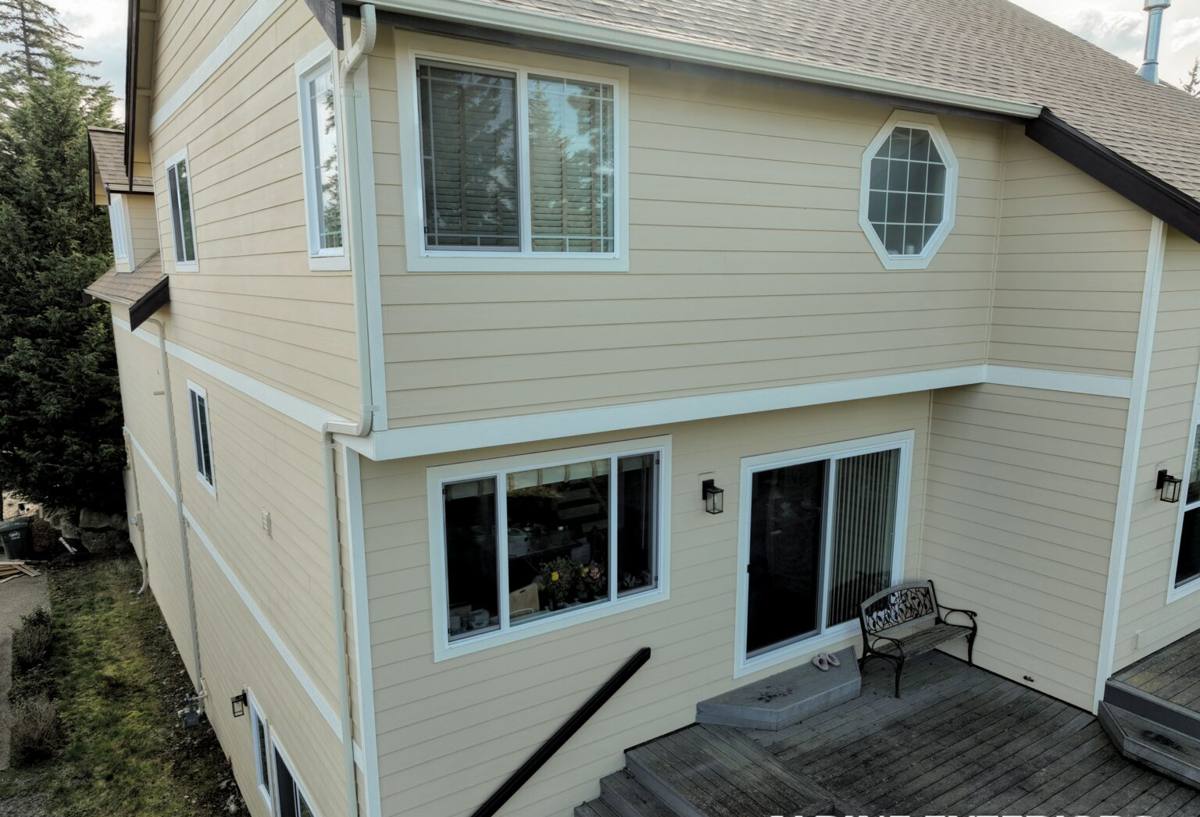
What Salt Air Does to a Deck Over Time
Salt air is corrosive to standard fasteners and hardware long before most homeowners notice a problem. It works quietly — a screw head that looks fine on the surface can be corroding underneath, and by the time rust stains show up on the decking, the fastener itself may already be compromised. This is the single most common failure point we find on older decks near the water in Anacortes.
Where Corrosion Shows Up First
- Screw and nail heads, especially on ledger boards and stair stringers
- Joist hangers and structural connectors hidden under the decking
- Railing hardware and post bases, particularly where water pools
- Any galvanized (as opposed to stainless or coated) fastener used near grade
The fix isn't complicated, but it does cost more upfront: stainless steel or marine-grade coated fasteners and hardware rated for coastal exposure. We don't treat this as optional on West Anacortes projects — it's the baseline standard we build to, because replacing rusted-out structural hardware under a finished deck later is far more disruptive and expensive than specifying the right hardware the first time.
Driving Rain and Drainage Design
Anacortes gets plenty of rain that falls straight down, but the storms that do the most damage to decks are the ones that come in at an angle off the water, driving moisture under railings, into ledger connections, and behind fascia boards. A deck that isn't designed to shed that water quickly becomes a deck that traps it.
The Details That Actually Matter
- Ledger flashing — the connection where the deck meets the house is the single most important waterproofing detail on the whole structure. Done wrong, it's the most common source of hidden rot we find behind existing decks.
- Board spacing and slope — decking needs consistent gapping and a slight slope away from the house so water has somewhere to go instead of sitting on the surface.
- Joist protection — joist tape or an equivalent membrane over the top of framing keeps standing water from wicking into end grain, which is where rot usually starts.
- Post base drainage — post bases that hold water against the end grain of a post are a slow-motion structural problem; raised, ventilated bases avoid it.
None of this is visible once the deck is finished, which is exactly why it matters who builds it. A deck can look identical from the top and have a completely different service life underneath depending on whether these details were done correctly.
Moss, Shade, and Surface Maintenance
West Anacortes has enough tree cover and marine-layer overcast that some decks stay damp and shaded for long stretches of the year, especially into fall and winter. That's ideal growing conditions for moss and algae, and it affects material choice more than most homeowners expect.
Moss itself isn't usually a structural threat in small amounts, but it holds moisture against the surface it's growing on and makes boards slick and dangerous underfoot. On wood decking, moss also traces the wood grain and can accelerate surface wear in shaded spots. Composite decking resists moss growth better than untreated wood but isn't immune, particularly on boards installed without adequate airflow underneath.
Practical Moss Prevention
- Design for sun exposure and airflow wherever the layout allows it — even partial sun exposure slows moss significantly
- Keep gaps between boards clear of debris that holds moisture
- Choose a decking material with a texture and finish that doesn't trap standing water
- Plan periodic cleaning into the deck's maintenance routine rather than treating it as a one-time fix
Choosing the Right Decking Material for This Neighborhood
There's no single "best" decking material for every home — it depends on budget, how much maintenance a homeowner wants to take on, and how shaded or exposed the deck site is. Here's how the common options actually compare for a West Anacortes install:
| Material | Salt air performance | Moss/moisture resistance | Maintenance |
|---|---|---|---|
| Pressure-treated wood | Good with stainless fasteners | Needs regular cleaning and sealing | Highest — annual cleaning/sealing recommended |
| Cedar | Good, naturally rot-resistant | Still needs sealing in shaded areas | Moderate to high |
| Composite decking | Excellent — no corrosion-prone surface material | Good, but shaded boards still need cleaning | Low — occasional washing |
| PVC decking | Excellent | Very good | Lowest |
Whichever surface material a homeowner chooses, the framing and fastener decisions underneath it matter just as much — a composite deck built on corroding hardware doesn't outperform a wood deck built correctly.
What a Correctly Built Deck Includes
When we scope a custom deck for a West Anacortes property, the build addresses each of these points as standard practice, not as an upgrade:
- Stainless or coated fasteners and structural hardware rated for coastal/marine exposure
- Proper ledger board flashing and house-connection waterproofing
- Joist protection tape or membrane on all structural framing
- Correct decking slope and consistent board spacing for drainage
- Post bases and footings designed to shed water rather than trap it
- Layout that accounts for existing shade and sun exposure on the specific lot
- Material selection matched to the homeowner's maintenance expectations
Our Process for a West Anacortes Deck Project
1. On-Site Assessment
We walk the property, look at sun exposure, drainage patterns, and how the deck will tie into the house. If we're replacing an existing deck, we check the condition of ledger connections and framing before quoting anything, since hidden rot changes the scope of the job.
2. Design and Material Selection
We talk through material options honestly, including trade-offs — upfront cost versus long-term maintenance, appearance versus durability in shaded conditions. There's no pressure toward the most expensive option; the right choice depends on the homeowner's priorities and how the deck will actually be used.
3. Permitting
Most deck projects in the City of Anacortes require a building permit, particularly for elevated structures or anything attached to the house. We handle the permit process as part of the project so homeowners aren't left navigating it alone.
4. Construction
Framing, flashing, and fastener details get done to the coastal-exposure standard described above, not a generic inland standard. We inspect our own work at each stage rather than covering details up and moving on.
5. Final Walkthrough
We walk the finished deck with the homeowner, cover basic maintenance expectations for the chosen material, and make sure drainage and railings perform the way they were designed to.
A Quick Pre-Project Checklist for Homeowners
- Ask what fastener grade and hardware will be used — "stainless" or "coastal-rated" should be a specific answer, not a vague one
- Ask how the ledger board will be flashed against the house
- Ask whether joist tape or an equivalent membrane is included
- Get a clear answer on expected maintenance for the decking material you're choosing
- Confirm whether the quote includes permitting with the City of Anacortes
Why a Local Crew Matters for This Kind of Work
A lot of the decisions that determine whether a deck lasts in West Anacortes — fastener grade, flashing detail, layout relative to shade and wind — aren't things a homeowner can verify by looking at a finished deck. They're decisions made during construction, based on experience with how this specific stretch of Skagit County's coastline actually behaves through a full year of weather. A crew that's built and repaired decks in this neighborhood before has already seen which shortcuts fail here and which details are worth the extra time. That's a hard thing to get from a contractor whose experience is mostly inland, where salt exposure and moss pressure simply aren't part of the job.
If you're planning a new deck or replacing one that's showing its age, we're happy to take a look and give you an honest, no-pressure estimate — just fill out the form below to get started.