 Anacortes Siding
 Windows Built for Fidalgo Island, Not Just Any House
Fidalgo Island sits right where Puget Sound weather gets personal. Homes here take on salt-laden air off the water, driving rain that comes in sideways more often than straight down, and a long stretch of gray, damp months where moss and mildew get a real head start on anything that isn't sealed and drained correctly. A window that performs fine in a drier inland climate can start failing here within a few years if it wasn't chosen, flashed, and sealed for this specific environment. That's the difference between a window job that lasts and one you're troubleshooting again before the warranty is even up.
Custom windows for a Fidalgo Island home aren't about fancy shapes or showroom upgrades. They're about matching the frame material, glazing, and installation detail to what this particular stretch of Skagit County actually throws at a house year-round. That's the whole focus of this page: what local homes need, what a correct job looks like, and how we approach it.
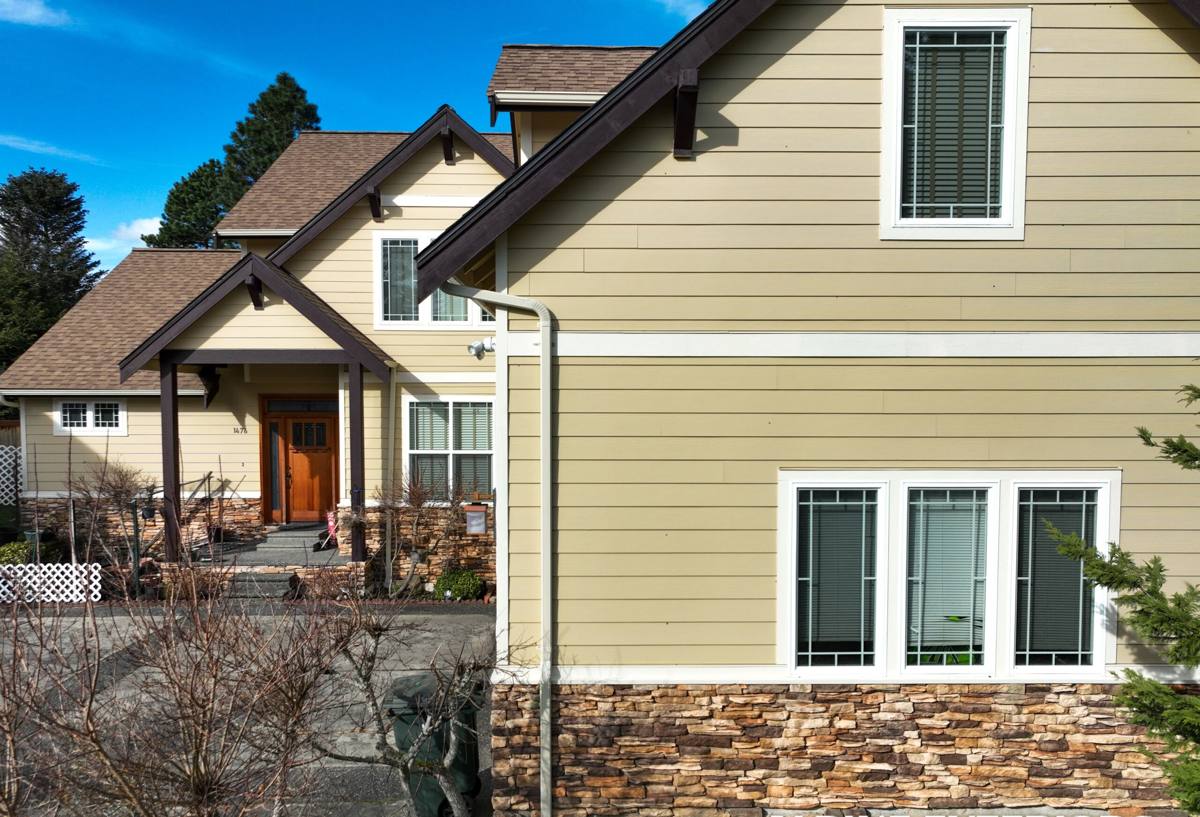
What Salt Air and Driving Rain Actually Do to a Window
It helps to understand the failure modes before talking about the fix. Two things drive most window problems on the island:
Salt Air and Corrosion
Airborne salt from the Sound settles on hardware, screens, and metal components. Over time it accelerates corrosion on cheaper fasteners, hinges, and roller tracks, and it can pit or dull aluminum finishes that aren't rated for coastal exposure. This is slow, quiet damage — you usually notice it as a window that starts sticking, a lock that won't turn smoothly, or a finish that looks chalky and pitted years before it should.
Driving, Wind-Driven Rain
Anacortes doesn't just get rain, it gets rain pushed sideways by wind off the water, which puts pressure on window seals and flashing details that a calm, straight-down rain never would. A window that's watertight in a lab test can still leak on this island if the flashing, sill pan, and sealant details around it weren't built to handle wind-driven water intrusion. Most window leaks we find aren't actually the window's fault — they're an installation or flashing gap that let water behind the frame.
The Long Moss Season
Western Washington's extended damp season means anything with a horizontal ledge, a shaded north face, or poor airflow becomes a place for moss, algae, and mildew to take hold. On windows, that shows up as green or black staining on sills and trim, swollen wood components, and — if moisture is getting trapped rather than draining — early rot in the surrounding framing.
What a Correct Custom Window Job Involves
"Custom" doesn't mean expensive or elaborate. It means the window is sized, specified, and installed to fit your specific opening and your specific exposure — not a generic stock unit forced into place. A correct job includes several steps that are easy to skip and easy to notice later when they were skipped:
- Accurate field measurement. Older Fidalgo Island homes often have openings that have shifted slightly over decades of settling, so we measure the actual opening, not just the old window's listed size.
- Removal without damaging the opening. The old window and any water-damaged material around it come out carefully so we can actually see the condition of the framing before anything new goes in.
- Inspection of the rough opening. This is the step that gets skipped by crews in a hurry. If there's soft wood, old failed caulk, or signs of past water intrusion, it needs to be addressed before a new window goes in — otherwise you've just sealed a problem behind a nice new frame.
- Sill pan and flashing installed to shed water outward. This is the single most important detail for wind-driven rain. A proper sill pan and correctly lapped flashing (working from the bottom up, like shingles) directs any water that gets past the exterior seal back out, instead of letting it pool against the framing.
- Setting the window level, plumb, and square. A window that's slightly out of square will bind, won't seal evenly, and puts uneven stress on the frame and hardware over time.
- Insulating the gap correctly. Too little insulation leaves drafts and condensation points; overfilling with the wrong material can bow the frame. This needs to be done with the right product and the right amount.
- Exterior sealant and trim detail matched to the siding. The sealant bead and trim need to integrate with whatever siding is on the house so water is shed, not trapped.
- Interior finish work. Trim, casing, and paint or stain finished to match the rest of the room.
Any one of these steps done poorly can undo the benefit of an otherwise good window. This is why we treat installation quality as being at least as important as the window product itself.
Choosing the Right Frame Material for This Climate
There's no single "best" window material for every house — it depends on your home's exposure, your budget, and how much long-term maintenance you want to take on. Here's how the common options actually perform in a marine, salt-air climate like Anacortes:
| Frame Material | Coastal Performance | Maintenance | Typical Trade-Off |
|---|---|---|---|
| Vinyl | Doesn't corrode or rot; handles salt air well | Low — occasional cleaning | Fewer color/finish options; can't be repainted |
| Fiberglass | Excellent — very stable, resists warping and corrosion | Low | Higher upfront cost than vinyl |
| Aluminum | Needs a marine-grade or coated finish or it will corrode/pit over time | Moderate | Conducts heat/cold unless thermally broken |
| Wood | Handsome, but exposed wood is the most vulnerable to moss, rot, and moisture damage here | High — regular painting/sealing | Best reserved for protected exposures or paired with clad exterior |
| Wood-Clad (wood interior, vinyl/aluminum/fiberglass exterior) | Good — exterior shell handles the weather, interior keeps a traditional look | Low exterior, occasional interior finish care | Mid-to-higher cost |
For most Fidalgo Island homes, we lean toward vinyl or fiberglass on exposures that catch direct weather off the water, and reserve solid wood for protected, covered, or interior-facing openings where it won't take the brunt of the rain and salt air. If you love the look of wood, a clad option often gets you that appearance without the maintenance burden of fully exposed wood trim sitting in a wet, salty climate.
Glass and Glazing: What Actually Matters Here
Beyond the frame, the glass package affects comfort and condensation control, which matters in a climate with this much humidity swing between seasons.
- Double-pane, low-E glass is the practical standard for this region — it cuts heat loss and reduces the interior condensation that shows up on cold, damp mornings.
- Argon or krypton gas fill between panes adds a modest efficiency boost; worth it on most replacement jobs, not always necessary on smaller accent windows.
- Warm-edge spacers (instead of older aluminum spacers) reduce the cold spot at the edge of the glass, which is where condensation and eventually seal failure tends to start first.
- Tempered glass is required by code near doors, stairs, and low sills — worth confirming during planning so it's not an afterthought at installation.
None of this needs to be complicated. The goal is simply a glass package that resists condensation and holds its seal through repeated wet-dry, warm-cold cycles, which is exactly what island weather delivers year-round.
Signs Your Current Windows Are Already Losing the Battle
Homeowners often live with early warning signs longer than they realize. Worth checking for:
- Fogging or moisture visible between the panes (a sign the seal has failed)
- Windows that are difficult to open, close, or lock — often a sign of frame swelling or hardware corrosion
- Visible gaps, cracked caulk, or soft trim around the frame
- Green, black, or dark staining on sills or surrounding trim (moss/mildew getting a foothold)
- A noticeable draft near the frame on a windy day
- Condensation on the interior glass or frame during cold months
- Peeling paint or a chalky, pitted look on metal frames or hardware
Any one of these on its own might just need a repair or re-caulk. Several of them together on the same window, or on windows facing the prevailing weather, usually points to a bigger problem worth a real inspection.
How Our Process Works
We keep this straightforward, and we don't push anyone toward a bigger job than they actually need.
- Walkthrough and honest assessment. We look at each window you're concerned about, check the surrounding trim and framing for water damage, and tell you plainly what's failing and what isn't.
- Straightforward proposal. You get a written scope and pricing broken down by window, material, and labor — no vague bundled numbers.
- Scheduling around the weather. On the island, we plan installation windows with realistic attention to the forecast so openings aren't sitting exposed during a rain event.
- Installation with the flashing and sealing details covered above — not shortcuts to save an hour per window.
- Final walkthrough. We check operation, sealing, and finish work with you before calling the job done, and clean up the site fully.
What Affects the Cost of a Custom Window Project
Every home and opening is different, so we don't post blanket prices, but these are the factors that actually move the number:
| Cost Factor | Why It Matters |
|---|---|
| Frame material chosen | Vinyl is generally the most budget-friendly; fiberglass and wood-clad cost more upfront but often less over time in maintenance |
| Window size and style | Larger units, bay/bow configurations, and custom shapes require more material and labor than standard double-hungs or sliders |
| Condition of the existing opening | Rot repair or reframing adds cost but is not optional if the framing has already been compromised by water |
| Number of windows | Doing multiple windows in one project usually reduces the per-window cost versus one-off replacements |
| Glass package | Upgraded glazing (extra gas fill, upgraded spacer, specialty glass) adds a modest per-unit cost |
| Exterior trim and siding integration | Matching existing siding or trim detail can add labor, especially on older or custom-trimmed homes |
We'll walk through these with you specifically for your home so the estimate reflects your actual project, not a generic average.
Why a Local Anacortes Crew Makes a Real Difference
A window installer who works across a wide, dry region and only occasionally sees a coastal job doesn't build the same instincts as a crew that works Fidalgo Island and the surrounding Skagit County waterfront regularly. Working here week after week means we already know which exposures on the island take the worst of the wind-driven rain, which older home styles tend to have specific framing quirks around their original window openings, and how aggressively moss and mildew move in during our wet stretch if drainage details aren't right. That local pattern recognition shows up in small decisions during the job — how a sill pan gets detailed, how much clearance is left for drainage, which sealant actually holds up in this humidity — that a generic install often misses.
It also means we're reachable and accountable after the job is done. If something needs a look a year or two down the road, you're calling a crew that's still working in your area, not chasing down a company that was passing through.
Ready for an Honest Look at Your Windows
If your windows are original to the house, showing early signs of trouble, or you're just planning ahead for a remodel, we're happy to take a look and give you a straight assessment — no pressure, no inflated scope. Fill out the form below for a free estimate, and we'll walk your home's specific exposure, openings, and options with you in plain terms.