 Anacortes Siding
 Windows in Mount Vernon Have to Work Harder Than People Think
Mount Vernon sits in the Skagit River valley, close enough to the water that homes here get the full range of what Pacific Northwest weather can throw at a building envelope: long stretches of steady rain, wind-driven storms that push moisture sideways into wall and window assemblies, heavy valley fog and humidity off the river and farmland, and a moss season that can run most of the year on shaded, north-facing walls. None of that is dramatic on its own, but it's relentless, and windows are one of the first places it shows up as rot, fogged glass, swollen sashes, or drafts that weren't there five years ago.
Custom windows aren't a luxury item in this climate — they're often the only real fix when a home's original openings are out of square, oddly sized, or built for a different era of construction. We install and replace windows for Mount Vernon homeowners with that climate in mind, not as an afterthought.
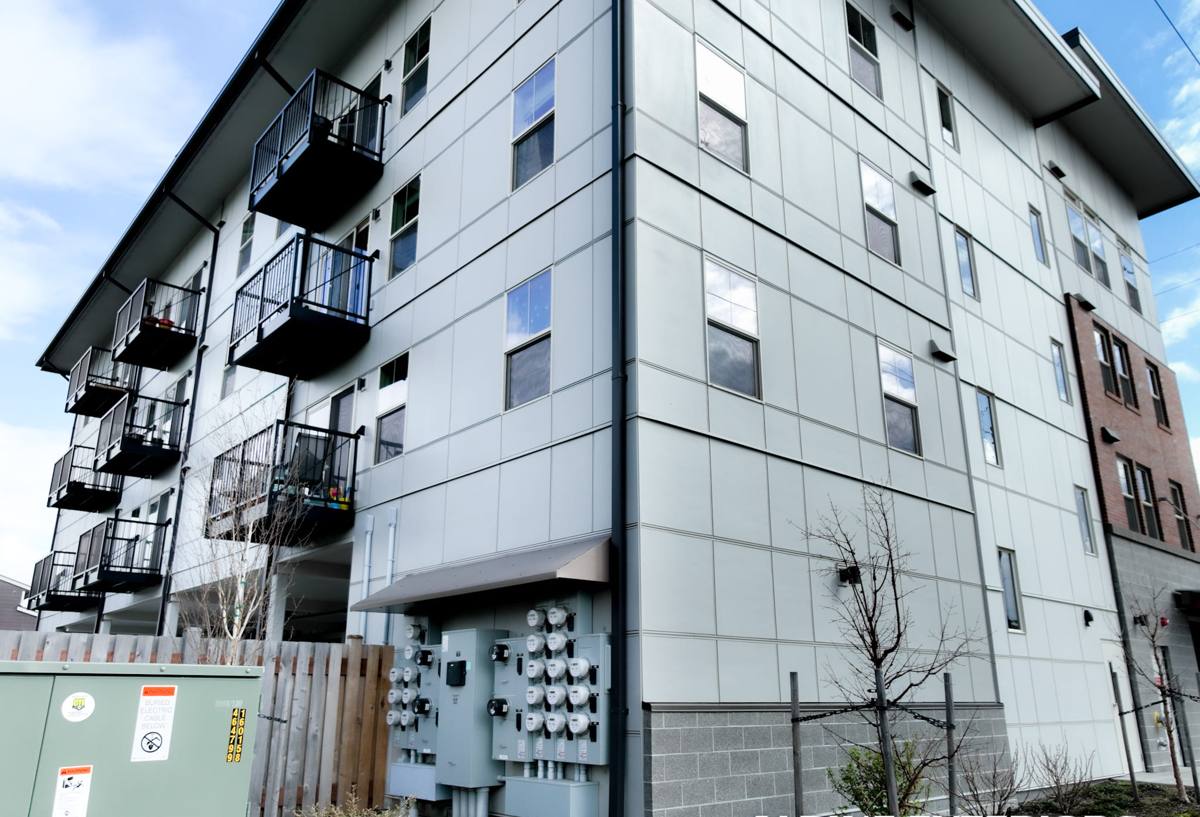
What We Mean by "Custom Windows"
"Custom" doesn't mean expensive or fancy. It means the window is built or specified to fit the actual opening and the actual house, rather than forcing a stock size into a space it doesn't match. A lot of the work we do in Mount Vernon falls into this category, whether the homeowner asked for it by name or not.
Non-Standard or Settled Openings
Older Skagit Valley homes, farmhouses, and houses built on softer valley soil often settle unevenly over the decades. That leaves window openings slightly out of square or out of level — sometimes by enough that a standard off-the-shelf window won't seal properly no matter how carefully it's installed. Custom sizing solves that instead of masking it with extra caulk and shims.
Additions, Bays, and Architectural Features
Bay windows, angled openings, transoms, and oddly proportioned openings from additions all need windows built to that specific geometry. These are also the spots most prone to leaks if the flashing detail isn't done correctly, which we'll get into below.
Historic and Farmhouse-Style Homes
Skagit County has a real stock of older farmhouses and early-1900s homes, and owners are often trying to keep a look — deep trim, divided lites, a certain proportion — while gaining modern performance. Custom window shops can match sightlines and grille patterns much more closely than a generic replacement line.
Signs a Mount Vernon Home Needs Window Attention
Because so much of the damage here is moisture-driven, it tends to show up gradually. Here's what we're typically called out for:
- Soft or spongy wood at the sill or bottom corners of the window frame
- Fogging or a milky haze between panes (a sign the seal has failed and the gas fill is gone)
- Visible moss or dark streaking on the trim or siding directly above and below the window
- Windows that are hard to open, stick, or no longer latch flush
- Noticeable drafts or cold spots near the frame in winter
- Peeling or bubbling paint on interior or exterior trim near the glass
- Condensation forming on the inside of the glass regularly, even with normal ventilation
Any one of these on its own might be minor. Several at once, especially on a wall that faces prevailing wind and rain, usually means water has been getting behind the trim for a while.
Choosing Materials and Glass for This Climate
There's no single "best" window material — the right choice depends on the house, the budget, and how exposed a particular wall is to wind-driven rain. We walk homeowners through the honest trade-offs rather than pushing one product line.
| Material | Moisture Behavior | Maintenance | Best Fit |
|---|---|---|---|
| Vinyl | Won't rot; seams and welds matter more than the material itself | Low — occasional cleaning | Most standard replacements on a budget |
| Fiberglass | Very stable in wet/dry cycling, resists warping | Low | Exposed walls, larger openings, long-term owners |
| Wood-clad | Good performance if the cladding and flashing are correct; the wood core is only as good as the seal protecting it | Higher — trim and finish upkeep | Historic homes where interior wood sightlines matter |
| Aluminum | Conducts cold and can condense heavily in our humidity | Moderate | Rarely our recommendation for this climate |
For glass, we default to dual-pane with a low-E coating and argon fill for most Mount Vernon homes — it's the right balance of cost and performance for our winters. Triple-pane is worth discussing on north-facing walls, homes right along the river where wind exposure is higher, or for owners specifically chasing lower heating bills and less interior condensation.
How Our Installation Process Works
Water intrusion around windows is almost never caused by the window itself — it's caused by what happens (or doesn't happen) around the opening. Our process is built around that.
1. Measure and Confirm Fit
We measure the actual opening, not just go off the old window's nominal size, and check for square, level, and any settling. This is where we catch whether a home genuinely needs a custom unit versus a standard size.
2. Careful Removal
Old windows and their surrounding trim come out carefully so we can inspect the sheathing, sill, and framing underneath. This is often the first time in decades anyone has actually looked at that wood, and it's the point where hidden rot or old flashing failures get found — before they turn into a bigger repair.
3. Repair Before Reinstall
Any soft or damaged framing gets replaced. Installing a brand-new window into rotten or wet framing just hides a bigger problem behind new trim, and in this climate that problem doesn't stay hidden for long.
4. Flashing and Weatherproofing
This is the step that actually keeps water out over the next 20 years, and it's where a lot of shortcuts get taken on production jobs. We install proper flashing tape and pans so that any water reaching the opening is directed back out and down, not into the wall cavity. Head flashing goes in with the correct overlap sequence above the window, not just a bead of caulk across the top trim.
5. Set, Seal, and Insulate
The window is set square and level, shimmed correctly so it doesn't bind or bow, and insulated around the frame with a low-expansion foam or backer rod — not packed tight, which can actually distort the frame and cause operating problems.
6. Exterior and Interior Finish
Trim, caulking, and paint or stain get finished to match the home, with sealant applied at the joints most exposed to wind-driven rain.
Why Flashing Detail Matters More Here Than Almost Anywhere Else
We keep coming back to flashing because in a valley climate with sustained driving rain, it's genuinely the difference between a window that lasts decades and one that causes a rot problem in five to eight years. Caulk is a maintenance item — it degrades, cracks, and needs to be redone. Flashing is a permanent water-management system built into the wall. A window installed with good flashing and mediocre caulk will still shed water. A window installed with great caulk and no real flashing plan is on borrowed time the first time that caulk fails and nobody notices.
Energy Efficiency and Comfort in a Marine Climate
Mount Vernon doesn't see the temperature extremes of drier parts of the state, but the combination of dampness and steady cold in winter makes drafts and cold glass noticeable indoors. Low-E coatings reduce heat loss through the glass itself, argon fill slows conductive heat transfer between panes, and a tight, well-flashed installation stops the air leakage that undercuts even a good window's rated performance. We've seen plenty of houses with expensive, well-rated windows that still feel drafty simply because the installation around them wasn't airtight — the window was never the weak point, the install was.
What Affects the Cost of a Custom Window Project
Every Mount Vernon home is different, so we won't quote a number without seeing the openings, but these are the factors that consistently move the price:
| Factor | Why It Matters |
|---|---|
| Standard size vs. true custom size | Custom-built units cost more per window and often take longer to order |
| Framing repair needed | Rotted sill or sheathing found during removal adds labor before the new window can even go in |
| Material choice | Vinyl, fiberglass, and wood-clad carry different material costs and lead times |
| Glass package | Dual-pane low-E vs. triple-pane changes both material cost and expected energy savings |
| Number and height of openings | Second-story or hard-to-access windows take more time and equipment |
| Trim and finish work | Matching existing trim profiles, especially on older homes, adds carpentry time |
As a rough range, straightforward standard-size replacements tend to run less than true custom-built units for oddball openings or historic-match trim work — but the honest answer for any specific house comes from an in-person look, not a phone estimate.
Why It's Worth Hiring a Crew That Already Works in Mount Vernon
Window installation isn't just a product — it's a set of judgment calls about flashing sequence, framing repair, and how much weather exposure a given wall actually gets. A crew that regularly works Skagit County homes has already seen how local moisture patterns, valley humidity, and older regional construction methods interact with a window opening over time. That's different knowledge than a crew that mostly installs in a drier inland climate.
Local crews also understand the practical realities of scheduling around our weather — knowing which stretches of the year give a reliable dry window for opening up a wall, and building in the extra care that a longer rainy season demands so an opening isn't left exposed longer than necessary.
A Quick Checklist for Vetting Any Window Contractor
- Do they inspect and discuss the condition of the framing, not just the window itself?
- Can they explain their flashing method in plain language, not just "we caulk it well"?
- Do they offer both standard and true custom-sized options, rather than pushing one size to fit every opening?
- Are they upfront about material trade-offs instead of steering you to whatever they have in stock?
- Do they give a written scope of work, not just a verbal price?
Maintaining Custom Windows Once They're In
A well-installed window still benefits from basic upkeep, especially given how long our wet season runs:
- Rinse pollen, dust, and salt-laden coastal air off glass and frames a couple of times a year
- Check and re-bead exterior caulk lines every few years, especially on south- and west-facing walls that take the brunt of storms
- Keep gutters and downspouts clear so overflow doesn't run down the wall and pool at window heads
- Clear moss or debris building up on sills, trim, or nearby siding before it holds moisture against the wood
- Operate hardware (locks, cranks, latches) a few times a year even on windows you rarely open, so mechanisms don't seize
If you're noticing drafts, moisture, or aging windows on your Mount Vernon home, we're happy to take a look and walk you through honest options — no pressure, no upsell script. Fill out the form below for a free estimate, and we'll go from there.