 Anacortes Siding
 Storm Damage Roof Repair Built for Similk Beach's Waterfront Exposure
Similk Beach sits right up against the water on Fidalgo Island, and that location is exactly why storm damage here doesn't behave like storm damage a few miles inland. Homes along this shoreline take direct wind off the bay, get more salt-laden moisture in the air, and sit under the same long Skagit County moss season as the rest of Anacortes — just with an extra layer of exposure. When a storm rolls through, the roof damage that results is often more specific than "some shingles blew off." We repair storm-damaged roofs in this neighborhood regularly, and the approach has to account for where the house sits, not just what shingle is on it.
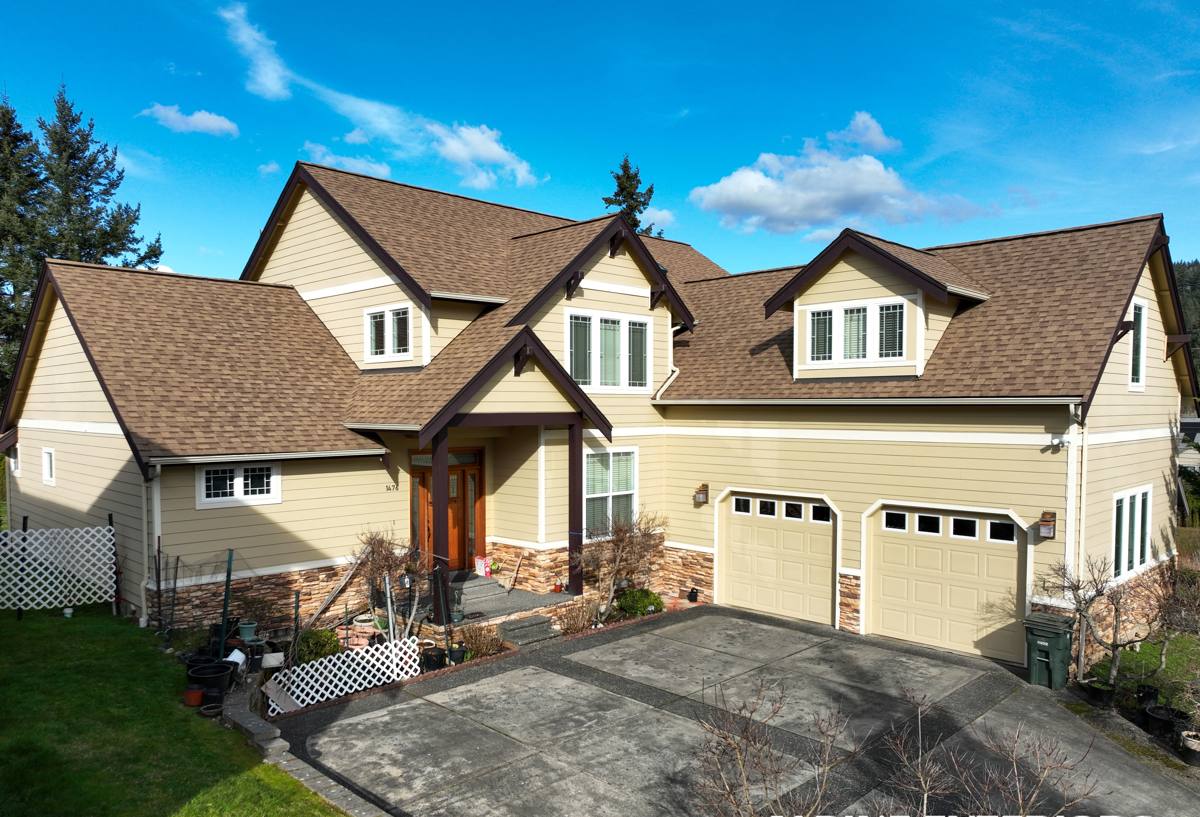
What Storm Damage Actually Looks Like on a Similk Beach Roof
Not all storm damage is obvious from the ground. Some of it is dramatic — missing shingles, a punctured section from a falling limb, a section of flashing peeled back. Some of it is quiet and shows up months later as a stain on a ceiling. Both kinds matter, and both are more common near open water.
Wind and Gusts off the Water
Waterfront lots get less wind buffering than homes tucked into trees or surrounded by other structures. Gusts that funnel across the bay can lift shingle edges, work fasteners loose, and peel back ridge caps even when the storm wasn't severe enough to cause obvious damage elsewhere in Anacortes. Repeated wind-lift events weaken a roof's seal long before a single big storm actually tears something off.
Salt Air and Fastener Corrosion
Homes closer to the water deal with more airborne salt than homes set back from the shoreline. Over time, that accelerates corrosion on exposed metal — nail heads, flashing edges, gutter fasteners — which is often the actual failure point after a storm, even when the shingles themselves still look serviceable. A storm doesn't have to be extreme to finish off a fastener that's already been quietly corroding.
Moss, Moisture, and Slow Rot
Anacortes' moss season is long, and moss holds moisture against roofing material well after a storm has passed. On a roof that already has moss growth, storm damage tends to get worse faster — wind-lifted shingles let water track under moss mats, and that moisture has nowhere to go. A repair that doesn't address the moss underneath it is a repair that fails again on the next round of driving rain.
Why Waiting on a Repair Costs More Than the Repair Itself
A damaged roof section rarely stays a small problem. Once a shingle is lifted or a flashing seam is open, wind-driven rain finds its way in during the next storm, not just the one that caused the original damage. In a shoreline location, that window between "minor damage" and "active leak" tends to be shorter, because there's more moisture in the air to begin with and fewer dry stretches to let things fully dry out between weather systems.
We've seen the pattern often enough to be direct about it: a same-week tarp-and-repair job is almost always cheaper than the deck repair, insulation replacement, and interior drywall work that follows a leak nobody addressed for a season.
Our Storm Damage Repair Process
Our process is the same whether the damage is from last night's wind event or something a homeowner just noticed while cleaning gutters. It's built to be honest about scope, not to upsell a repair into a full replacement it doesn't need.
- Inspection. We walk the roof (or use a lift where pitch or access requires it) and document every area of damage — not just the spot that prompted the call.
- Photo documentation. Every damaged area is photographed before touching anything, which matters for insurance and gives the homeowner a clear record.
- Temporary protection. If there's active exposure, we tarp or dry-in the affected area the same visit so no further water gets in while repairs are scheduled.
- Scope and estimate. We tell you plainly what's damaged, what's aged but not storm-related, and what the repair will involve — no padding the invoice with unrelated work.
- Repair. Matched materials, correct flashing detail, and fastener choices suited to a marine-exposed roof, not just whatever's fastest to install.
- Cleanup and final check. Debris removed, gutters cleared of anything the storm knocked loose, and a final walk-through so you know exactly what was done.
Repair vs. Replace: How We Make the Call
Storm damage doesn't automatically mean a new roof, and it doesn't automatically mean a patch will hold either. We look at the roof's age, the extent of damage relative to total roof area, and how the existing material has held up to the local climate so far.
| Factor | Favors Repair | Favors Replacement |
|---|---|---|
| Roof age | Under 12-15 years, material still sound elsewhere | Near or past expected service life |
| Extent of damage | Isolated section or slope | Widespread across multiple slopes |
| Moss/moisture history | Minimal prior moss growth | Heavy moss buildup with underlying deck softness |
| Fastener/flashing condition | Corrosion limited to damaged area | Corrosion widespread across roof |
| Matching materials | Current shingle still available/close match | Discontinued product, poor match likely |
None of these factors decide anything on their own — it's the combination that tells us whether a repair will genuinely last or whether we'd be patching a roof that's already telling you it's done.
Materials and Methods for Coastal Storm Repairs
A repair on a waterfront Similk Beach roof gets a few adjustments compared to a repair further inland. We use corrosion-resistant fasteners rather than standard ones in areas with direct water exposure, and we pay close attention to flashing details around penetrations and valleys, since that's where wind-driven rain finds its way in first. Where moss has been an issue, we address the moisture source as part of the repair rather than just replacing the damaged shingles and leaving the underlying condition unchanged. Underlayment gets upgraded where the existing layer is compromised, particularly at eave and valley areas, which take the brunt of both wind and standing moisture in this kind of setting.
Insurance Claims: What to Know Before You Call Your Adjuster
Most storm damage repairs on the Fidalgo Island shoreline involve an insurance claim, and a little preparation makes the process smoother.
- Photograph visible damage yourself as soon as it's safe to do so, before any temporary repairs change what's visible.
- Get a contractor's written assessment before your adjuster visit — it gives you an independent reference point for the scope of damage.
- Ask your contractor to be present for the adjuster's roof walk if possible; discrepancies in scope are easier to resolve in person than over the phone.
- Keep receipts for any emergency tarping or temporary protection — most policies reimburse reasonable steps taken to prevent further damage.
- Don't sign a repair contract based on an insurance estimate alone until you've confirmed it actually matches the scope of damage your roof has.
We provide honest, itemized documentation either way, whether a homeowner is filing a claim or paying out of pocket for a smaller repair.
Why Hiring a Crew That Already Works Similk Beach Matters
A roofer who mostly works inland Skagit County jobs isn't necessarily used to sizing fastener corrosion resistance for salt exposure, or recognizing how quickly moss reestablishes on a shoreline roof compared to elsewhere. We work this stretch of Anacortes regularly enough to know what tends to fail first on these homes and what a repair actually needs to hold through the next few storm seasons, not just look fixed for the insurance photos. That familiarity also means we're realistic about access — waterfront lots sometimes have tighter setbacks, steeper approaches, or landscaping considerations that affect how a job gets staged, and we plan for that upfront rather than discovering it on repair day.
After the Storm: A Quick Homeowner Checklist
- Check gutters and downspouts for granules, shingle pieces, or flashing debris — an early warning sign even without visible roof damage.
- Look inside the attic (if accessible) for damp insulation, staining, or daylight coming through the roof deck.
- Note any new stains on interior ceilings, even faint ones — they often show up days after the actual storm.
- Avoid walking the roof yourself after a storm; wet, moss-covered surfaces are more slippery than they look.
- Call for an inspection promptly rather than waiting to see if a small issue "dries out" on its own.
If you're dealing with storm damage on a Similk Beach roof, or just want an honest read on what a recent storm did to your home, we're glad to take a look. Fill out the form below for a free, no-pressure estimate — we'll tell you plainly what we find.