 Anacortes Siding
 Storm Damage Roof Repair for Edison-Area Homes
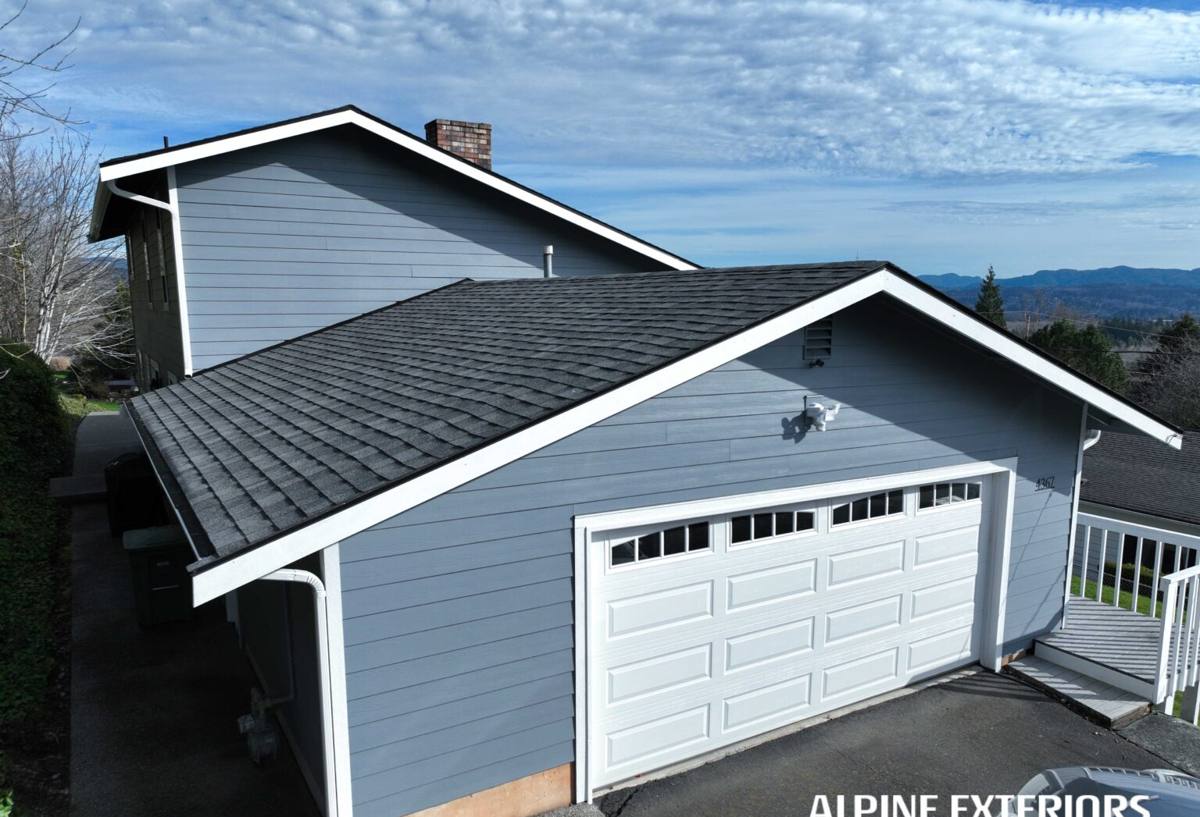
Edison sits in the flat, exposed farmland between Anacortes and Bow, close enough to Samish Bay and the Skagit tidal flats that homes here take weather from two directions at once: salt-laden wind off the water and the driving rain that funnels down the valley during winter storms. When a windstorm or heavy rain event damages a roof out here, the fix needs to hold up to that same exposure again next season, not just pass a quick visual check. We repair storm-damaged roofs for homeowners in and around Edison, and we build every repair around what actually happens to a roof in this specific stretch of Skagit County.
This page covers what storm damage on an Edison roof typically looks like, what a correct repair involves, and how we handle the job from first call to final walkthrough.
Why Edison's Climate Is Hard on Roofs
Edison doesn't get hit by any one extreme condition — it gets a steady combination that wears roofing down faster than homeowners expect.
Salt Air and Wind Exposure
Open farmland and proximity to Samish Bay mean less windbreak than a roof in a wooded or more built-up part of Anacortes would have. Salt-laden air accelerates corrosion on exposed metal fasteners, flashing, and vents. During a windstorm, that same lack of windbreak lets gusts get under shingle or shake edges more easily, especially on roofs that were already loosened by age or a prior storm.
Driving Rain
Storms moving through the Skagit Valley often bring rain at an angle, not straight down. Wind-driven rain finds gaps that vertical rain never would — lifted shingle tabs, worn boot flashing, nail pops, and hairline cracks in older ridge caps. A roof that's watertight in a light drizzle can still leak badly in a driving storm.
Moss Season
Western Washington's long wet season, roughly October through May, gives moss and algae months to establish themselves on north-facing slopes and shaded valleys of the roof. Moss holds moisture against the roofing material, works its way under shingle edges as it grows, and adds weight. A storm hitting a moss-compromised roof does more damage than the same storm would on a clean one, because the moss has already broken the seal in dozens of small spots.
What Storm Damage Actually Looks Like
Not all storm damage is obvious from the ground. Some of it hides until the next heavy rain shows a stain on the ceiling. Here's what we look for on an Edison-area storm call:
- Missing, torn, or creased shingles, especially on the windward side of the roof
- Lifted or curled shingle tabs that haven't fully blown off but no longer seal
- Bent, dented, or displaced metal flashing around chimneys, vents, and valleys
- Cracked or slipped ridge cap pieces
- Broken or clogged gutters and downspouts pulling away from the fascia
- Debris punctures from tree limbs or wind-borne material
- Nail pops and exposed fastener heads that have started to rust
- Soft spots or discoloration on the underside of roof decking, visible from the attic
Some of these are visible from the driveway. Others require getting on the roof or into the attic, which is why we don't quote storm repairs off a phone description alone.
Our Storm Damage Assessment Process
When you call us after a storm, we walk you through a straightforward process, not a sales pitch.
- Initial contact and triage. We ask what you're seeing — a leak, missing shingles, visible debris — so we know what to prioritize when we arrive.
- On-site inspection. We check the full roof surface, not just the area you noticed damage on. Storm damage is rarely limited to one spot, and wind can lift shingles on a back slope that never shows from the street.
- Attic and interior check. If there's any sign of water intrusion, we look at the decking and framing from inside, since staining on a ceiling often shows up feet away from the actual entry point.
- Written scope and honest range. You get a clear description of what's damaged, what needs repair versus what's cosmetic, and a straightforward cost range before any work starts.
- Repair. We match materials as closely as possible to your existing roof and correct the underlying cause, not just the visible symptom.
- Walkthrough. We show you what was done and what to watch for going forward.
What a Correct Repair Involves
Storm repair done right addresses more than the hole or the missing shingle. A few things we always check regardless of what brought us out:
Underlayment Condition
If wind has pulled shingles up and torn the underlayment beneath, replacing just the visible shingle without addressing the underlayment leaves a weak point that will fail again in the next storm.
Flashing Integrity
Flashing around chimneys, skylights, and roof-to-wall transitions is one of the most common storm-damage points and one of the most commonly under-repaired. Bent or displaced flashing needs to be reset or replaced, not just caulked over.
Fastener Corrosion
Given the salt air exposure out toward Samish Bay, we check fastener condition during any storm repair. Corroded nails or clips are a weak point that will let go again in the next windstorm even if the shingle itself is fine.
Decking Integrity
If water has been getting in for any length of time before you noticed, the decking underneath can be soft or delaminated. Repairing over compromised decking doesn't hold — that section needs to be cut out and replaced.
Repair vs. Replacement: How We Help You Decide
Not every storm-damaged roof needs full replacement, and not every roof can be patched indefinitely. The right call depends on the roof's age, how widespread the damage is, and how many prior repairs it's already had.
| Factor | Leans Toward Repair | Leans Toward Replacement |
|---|---|---|
| Roof age | Under 15 years, or newer material | Nearing or past expected lifespan for its material |
| Damage extent | Isolated to one section or slope | Spread across multiple slopes or the whole roof |
| Prior repair history | First or second repair | Multiple prior patches in different areas |
| Decking condition | Solid, no soft spots found | Soft or delaminated decking in multiple areas |
| Moss/algae history | Minor, recently cleaned | Long-term moss growth with visible material breakdown |
We'll give you a straight answer on which side of that table your roof falls on. If a targeted repair will genuinely hold, we recommend the repair — a full replacement isn't the right call just because it's an easier sell.
Why an Anacortes-Area Crew Matters for This Job
Storm damage repair is time-sensitive work, and the details that matter most on an Edison roof are the ones a crew learns from working this specific area repeatedly. We know which slopes take the worst of the wind coming off the flats, how fast moss reestablishes on shaded valleys in this stretch of Skagit County, and what fastener and flashing condition to expect on homes exposed to that salt air. That's the difference between a repair that's cosmetically fine for a season and one that's actually built for the next storm.
Being local also means faster response after a storm event, when tarping an exposed section and stopping active water intrusion matters more than anything else. We're not driving in from out of the area to give a quote and disappear — this is the region we work in day to day.
What to Do Right After a Storm
If you've just been through a windstorm or heavy rain event and suspect roof damage, a few steps help before we arrive:
- Check the attic for any signs of water staining, dampness, or light coming through the decking
- Note any debris on the roof or in the yard that may indicate impact damage
- Clear gutters and downspouts if it's safe to do so from the ground — clogged drainage compounds storm damage
- Avoid getting on the roof yourself, especially on wet or moss-covered surfaces
- Take photos from the ground for insurance purposes if damage is visible
- Call for an inspection promptly — a small storm-related gap gets worse with every additional rain event
Get a Straight Assessment
If your roof took damage in a recent storm, or you're not sure whether what you're seeing needs attention, we're happy to take a look. We'll give you an honest read on what's actually going on and a clear estimate before any work begins. Fill out the form below to get a free, no-pressure estimate for your Edison-area home.