 Anacortes Siding
 Siding That Actually Holds Up in La Conner
La Conner sits right on the Swinomish Channel, close enough to open water that salt air is part of daily life, not an occasional nuisance. Add Skagit County's long wet season, wind-driven rain off the channel, and the shade and dampness that make moss thrive on north- and west-facing walls, and you've got one of the tougher environments in our service area for exterior siding. We install James Hardie fiber cement siding for La Conner homeowners because it's the one product system that's engineered, tested, and warrantied for exactly these conditions — and because we've been doing this work in this specific climate long enough to know where cheaper materials and rushed installs actually fail.
This page is about one thing: what it takes to put James Hardie siding on a La Conner home correctly, and why that's different from a generic siding job anywhere else in the region.
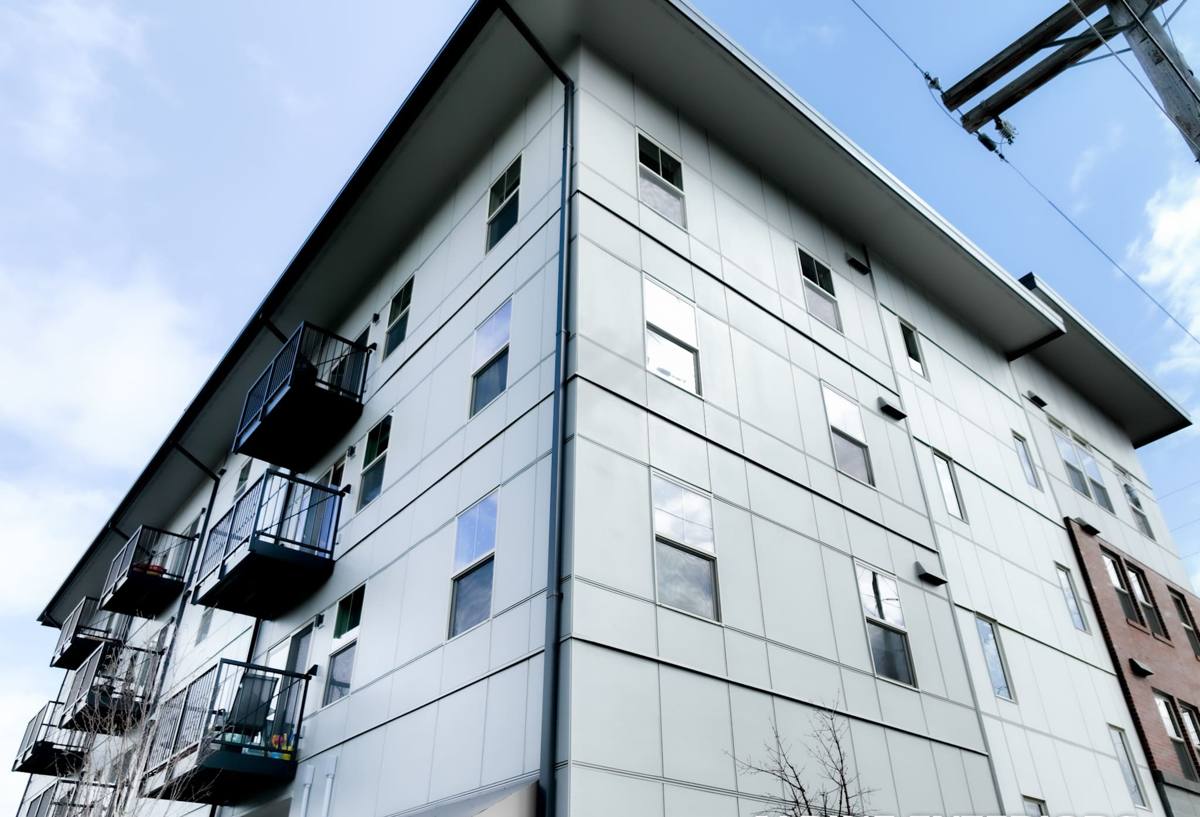
What La Conner's Climate Actually Does to Siding
Salt Air and Moisture
Proximity to the channel means airborne salt settles on exterior surfaces year-round. Salt is hygroscopic — it pulls moisture out of the air and holds it against whatever it's sitting on. On siding, that means longer wet-dry cycles, faster breakdown of cheap paint films, and accelerated corrosion on fasteners and trim that aren't rated for coastal exposure. Fiber cement doesn't absorb and swell the way wood-based products do, and James Hardie's factory-baked ColorPlus finish is formulated to resist the fading and chalking that salt-laden moisture causes in field-applied paint.
Driving Rain
Wind off the water doesn't just drop rain straight down — it pushes it sideways, into laps, joints, and anywhere a wall assembly has a gap. A siding system that isn't installed with correct overlaps, flashing, and clearances will let that wind-driven rain behind the cladding, where it causes rot in sheathing and framing long before anything looks wrong from the street. This is an installation issue as much as a material issue, which is why we treat flashing and gap details as non-negotiable, not optional upgrades.
Moss and Algae Season
Shaded, damp walls in this part of Skagit County grow moss and algae for a good chunk of the year. On untreated wood or lower-grade composite siding, that growth holds moisture against the surface and slowly degrades the material underneath. James Hardie's factory finish is far less hospitable to sustained moss and algae growth than raw wood or field-painted surfaces, and it doesn't feed the growth the way wood fiber can. It still needs periodic rinsing like any exterior surface, but it isn't fighting a losing battle against organic growth the way softer materials are.
Why We Don't Treat This as a Generic Siding Job
A lot of siding failures we get called out to inspect in this area aren't material failures — they're installation failures. Gaps that were caulked shut instead of left to manufacturer spec, fasteners driven at the wrong pattern, house wrap that was never properly lapped and taped, starter strips skipped to save time. None of that shows up on day one. It shows up two or three wet seasons later, as staining, soft spots, or paint that's failing from behind instead of in front.
Building a La Conner home's siding correctly means respecting the wall assembly as a system: drainage plane, water-resistive barrier, flashing at every penetration and transition, correct clearances at grade and roof lines, and then the Hardie product installed exactly to manufacturer specification on top of all that. Skip any layer and the siding above it is only as good as its weakest layer.
The James Hardie Product Line for This Climate
James Hardie makes climate-engineered product lines, and for Pacific Northwest marine exposure we spec HZ5, their formulation built for wetter, colder regions with more moisture cycling. It's the same fiber cement core technology as their other regional lines, but the formulation and factory finish are matched to the moisture load a place like La Conner actually sees.
| Feature | Why It Matters Here |
|---|---|
| HZ5 climate engineering | Formulated for high-moisture, marine and cold-mix climates like Skagit County |
| ColorPlus factory finish | Baked-on finish resists fading and chalking from salt air far longer than field paint |
| Non-combustible fiber cement core | Doesn't swell, rot, or feed moss and fungal growth the way wood-based sidings can |
| Engineered lap and panel profiles | Designed with drainage in mind when installed to spec, reducing water trapped behind the cladding |
| Transferable warranty | Backed by the manufacturer, not just the installer, which matters on resale in a market like this |
What a Correct James Hardie Install Involves
Before the First Board Goes Up
- Full inspection of existing sheathing and framing for hidden moisture damage before covering it back up
- Removal and disposal of old siding rather than installing over a compromised surface
- Correctly lapped and taped water-resistive barrier — this is the layer doing the real waterproofing work
- Flashing at every window, door, roofline, and deck ledger penetration
- Rainscreen or furring where wall orientation and shade make drainage behind the cladding worthwhile
During Installation
- Manufacturer-specified fastener type, spacing, and embedment — not whatever's fastest
- Correct minimum clearances from grade, roofing, and decking so the bottom edge of the siding never sits in standing water or snow
- Factory-primed cut edges re-sealed on site so no raw fiber cement is left exposed to weather
- Joints and butt seams treated per Hardie spec rather than just caulked over to hide a shortcut
Finishing Details
- Trim, corners, and fascia matched to the ColorPlus system so touch-up work in the future actually matches
- Final walkaround inspection focused on flashing lines and penetrations, not just how the wall looks from the curb
Why a Local Crew Matters for This Job
A crew that works Anacortes and the surrounding Skagit County towns regularly knows things a traveling contractor doesn't: which walls in La Conner catch the worst of the channel wind, which older homes in this area were built with wall assemblies that need extra attention before new siding goes on, and how to sequence a job around the wet season instead of getting caught mid-install when a weather window closes. We also know the practical side — permitting expectations in this part of the county, and being close enough to come back promptly if a warranty question or a settling issue comes up after the job is done. That local accountability is worth more than a slightly lower bid from a crew that won't be nearby next year.
Maintenance Once It's Installed
James Hardie siding is low-maintenance, not zero-maintenance. In a climate like this, a periodic rinse to knock off salt residue and any moss or algae starting to establish on shaded walls goes a long way. Caulked joints and trim intersections are worth a visual check once a year, since caulk is the one component in the whole system that isn't factory-engineered fiber cement and will eventually need renewing. Keeping gutters clear and grading away from the foundation protects the bottom courses of siding, which take the most water exposure of any part of the wall.
What a Siding Estimate Actually Involves
Cost on any given La Conner home depends on square footage, how many stories, the condition of what's being removed, trim and corner detail complexity, and how much of the wall assembly (sheathing, flashing, house wrap) needs to be addressed along with the siding itself. We don't quote a number without walking the property first — a home with hidden moisture damage behind the old siding needs that addressed before new Hardie boards go up, and that's not something you can price accurately from a photo.
| Cost Factor | Why It Moves the Price |
|---|---|
| Existing wall condition | Rot or moisture damage found during tear-off needs repair before re-siding |
| Home height and access | Multi-story or tight-access walls take longer and need more setup |
| Trim and detail complexity | More corners, windows, and transitions mean more flashing and cut work |
| Product profile chosen | Lap siding, shingle-style panels, and board-and-batten each price differently |
| Color and finish | Factory ColorPlus finishes vs. field-painted primed product affect both cost and long-term upkeep |
Signs Your Current Siding Is Past Its Job
- Soft or spongy spots when pressed, especially near the bottom courses or under windows
- Paint that's peeling or bubbling from underneath rather than just fading on the surface
- Persistent moss or dark staining that comes right back after cleaning
- Visible warping, cracking, or gaps opening up at seams and corners
- Rising energy bills that point to a wall assembly no longer doing its job
If you're seeing any of that on a La Conner home, or you're just planning ahead for a siding replacement, we're happy to walk the property and give you a straight, no-pressure estimate. There's a form below to get that started.