 Anacortes Siding
 Why March Point Homes Wear Out Siding Faster
March Point sits out on the water, and that exposure changes the math on siding. Homes here take on salt-laden air off the surrounding bays, driving rain that comes in sideways during winter storms, and long stretches of gray, damp weather that keep exterior surfaces wet far longer than homes just a few miles inland in Anacortes proper. Siding that would hold up fine in a sheltered Skagit County neighborhood can start failing years early out here if it isn't matched to the environment and installed correctly.
We've replaced siding on enough March Point homes to know this isn't a generic "coastal Washington" problem — it's specific. The combination of salt air, near-constant moisture, and a moss season that can run most of the year means the siding material, the water management behind it, and the installation details all have to be right, not just close.
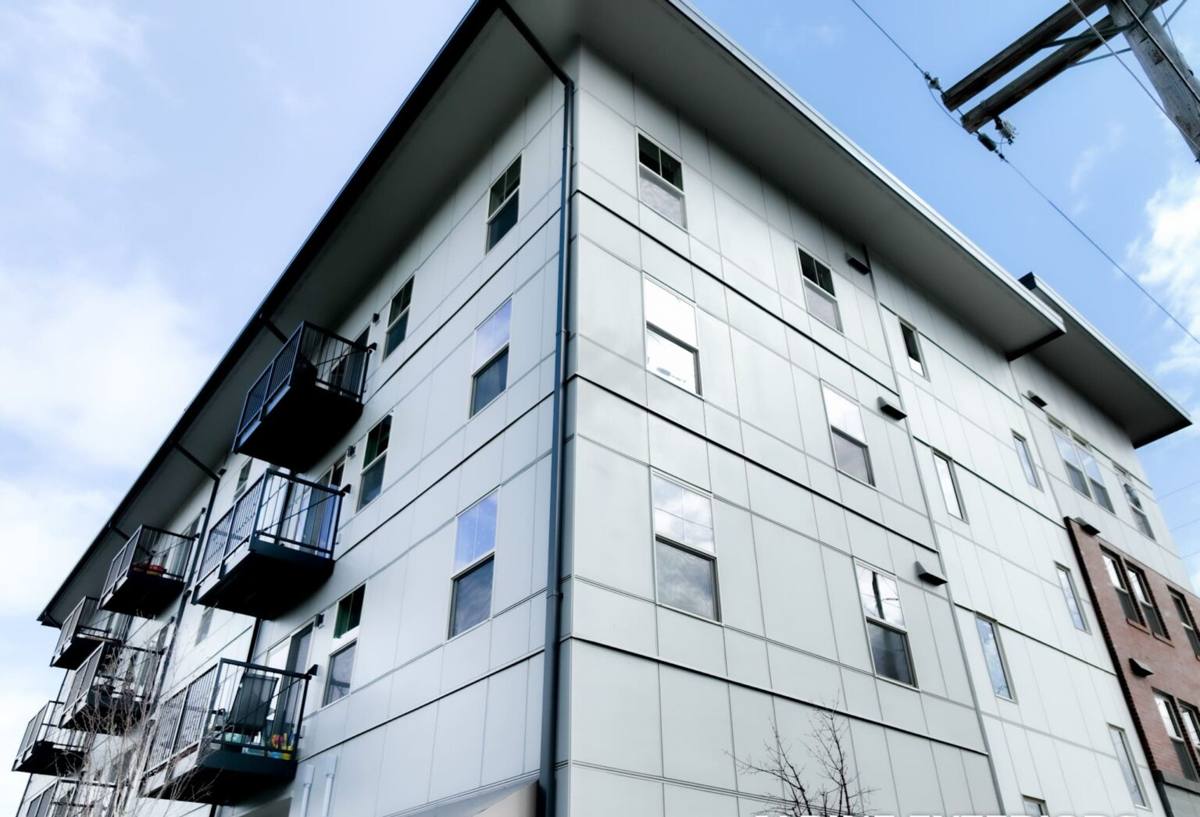
What Salt Air, Driving Rain, and Moss Actually Do to Siding
Salt Air
Airborne salt is corrosive and it doesn't stay near the water — wind carries it across the peninsula and it settles on every exterior surface. On siding, salt exposure accelerates the breakdown of paint films, corrodes fasteners and metal trim that aren't rated for it, and speeds up the fading and chalking that ages a house before its time.
Driving Rain
March Point's open exposure means wind-driven rain hits walls at an angle, not straight down. That matters because it pushes water into laps, seams, and penetrations that a sheltered wall would never see under normal rainfall. If the water-resistive barrier, flashing, and siding overlaps behind the finish aren't detailed for wind-driven rain specifically, water finds its way behind the cladding — and once it's behind the siding, the damage happens where you can't see it.
Moss Season
Skagit County's damp climate keeps north-facing and shaded walls wet for long stretches, and moss and algae take hold anywhere moisture lingers. Beyond the cosmetic issue, moss holds water against the siding surface, which keeps the substrate wet longer and accelerates rot in any product that isn't genuinely moisture-resistant.
Why We Only Install James Hardie in March Point
We standardized on James Hardie fiber cement siding for every job we do, and nowhere does that decision matter more than out on the water. Hardie is non-combustible fiber cement engineered specifically to resist moisture, and the ColorPlus factory finish is baked on and warranted against fading and flaking — which matters directly for a house dealing with salt air and near-constant damp.
We don't install vinyl, LP SmartSide, Cemplank, Allura, primed spruce, or cedar. Each of those products has legitimate uses elsewhere, but in a marine exposure environment like March Point, they carry trade-offs we're not willing to put on a homeowner's house:
| Material | Why It's a Harder Sell in a Marine Climate Like March Point |
|---|---|
| Vinyl | Can warp or become brittle with temperature swings and UV exposure; seams and panel movement give wind-driven rain more paths inward over time. |
| LP SmartSide (engineered wood) | Wood-based substrate is more sensitive to sustained moisture exposure; long-term performance depends heavily on maintaining the factory finish without a gap. |
| Cedar | Beautiful material, but it requires ongoing sealing and maintenance to hold up against constant damp and moss — a heavier maintenance burden on a waterfront lot. |
| Primed spruce / other primed wood | Primer is a starting point, not a finish; it needs a maintained paint film to keep moisture out, and marine air shortens that maintenance window. |
| James Hardie fiber cement | Non-combustible, engineered for moisture resistance, factory-baked ColorPlus finish, and backed by a strong transferable warranty when installed to spec. |
Choosing the Right Hardie Product Line for This Exposure
James Hardie makes climate-engineered "HZ" product lines specifically because not every wall in the country faces the same conditions. For March Point's combination of salt air and driving rain, we specify products and installation details suited to that marine exposure, and we pay particular attention to:
- Panel and lap profile choices that shed wind-driven rain effectively
- Fastener and trim materials rated to resist corrosion in salt air
- Factory-finished ColorPlus boards to reduce field-painted seams and edges, which are the first place coastal weather finds a way in
- Color and finish selection that holds up visually against salt residue and UV without excessive upkeep
What a Correct Siding Replacement Actually Involves
Siding replacement is not a cosmetic swap — most of what determines whether a job lasts happens behind the new siding, where you'll never see it again once we're done. On a March Point home, we treat every layer as part of the defense against wind-driven rain:
Full Tear-Off, Not Overlay
We remove the old siding completely rather than installing over it. That lets us actually see the sheathing and framing underneath, catch any hidden moisture damage from years of exposure, and start the new water management system from a clean, inspectable surface.
Water-Resistive Barrier and Flashing
A correctly lapped water-resistive barrier, properly integrated window and door flashing, and correct flashing at every roof-to-wall intersection are what actually stop wind-driven rain from reaching the framing. This is the part of the job that matters most in an exposed location like March Point, and it's also the part that's easiest for a rushed crew to shortcut.
Proper Fastening and Clearances
Fiber cement siding has to be fastened, gapped, and clearanced to Hardie's published specifications — including ground clearance and clearance from roof lines and decks — to keep it performing and to keep the manufacturer's warranty intact. Skipping these details is one of the most common ways otherwise-good siding fails early.
Trim, Caulking, and Finish Details
Corner boards, trim, and caulking joints are where a lot of water intrusion actually starts. We detail these to shed water rather than trap it, which matters more here than in a sheltered inland lot.
Our Process, Start to Finish
- On-site assessment — we walk the exterior, check current siding and any moisture or rot issues, and note the home's specific wind and rain exposure
- Product and color selection — we help you choose the Hardie line, profile, and ColorPlus finish suited to the home and its exposure
- Written estimate — a clear scope and price, no surprise add-ons buried in fine print
- Full tear-off and substrate check — old siding removed, sheathing inspected and repaired if needed
- Water-resistive barrier and flashing installation — the part of the job that determines long-term performance
- Hardie siding installation to manufacturer spec — correct fastening, gapping, and clearances
- Trim, caulking, and final finish work
- Final walkthrough — we go over the finished exterior with you before we call the job done
Cost Factors for March Point Siding Replacement
Every home is different, so we don't publish blanket prices, but these are the factors that most often move the number on a March Point job:
| Factor | Why It Affects Cost |
|---|---|
| Home size and wall complexity | More corners, gables, and dormers mean more cutting, flashing, and labor time |
| Extent of substrate damage | Rotted sheathing or framing found during tear-off needs repair before new siding goes on |
| Hardie product line and profile | Lap width, texture, and finish level affect material cost |
| Trim and accessory scope | Corner boards, window trim, and fascia work add to labor and material |
| Access and site conditions | Waterfront lots and tight access can affect staging and equipment needs |
Signs Your March Point Home May Need Siding Replacement
- Visible moss or algae buildup that returns quickly after cleaning
- Cracking, buckling, or soft spots in the current siding
- Peeling or chalking paint, especially on walls facing the water
- Soft or dark-stained trim boards, especially near the bottom edge of walls
- Rising heating bills or drafts that suggest the wall assembly is no longer sealing properly
- Siding that's original to a home built more than 20-25 years ago
Any one of these on its own isn't necessarily an emergency, but a couple together on a waterfront-exposed home is worth a professional look before it turns into a framing repair.
Why a Crew That Already Works March Point Matters
Siding installation for a marine-exposed peninsula isn't the same job as siding installation for a sheltered inland street, even within the same Anacortes zip code. A crew that already understands how wind-driven rain behaves against an exposed wall, how much salt residue affects finish choices, and how long moss season really runs here is going to make better decisions on flashing details, fastener selection, and product specification than a crew treating it like any other job. That local, exposure-specific experience is part of what protects your investment for the next several decades, not just the next few years.
If you're seeing early wear on your March Point home's siding, or you're simply ready to replace it with something built for this exposure, we'd be glad to take a look. Reach out for a free, no-pressure estimate — we'll walk the exterior with you and give you a straight assessment of what your home needs.