 Anacortes Siding
 Metal Roofing for Similk Beach: A Coastal Anacortes Challenge
Similk Beach sits close enough to the water that homes here take a different kind of weather beating than roofs just a few miles inland. Salt-laden air off the Sound, driving rain that comes in sideways during winter storms, and a long, damp moss season that never fully lets up combine to shorten the life of roofing materials that would hold up fine somewhere drier. A metal roof is one of the strongest answers to that combination, but only when it's specified and installed with this exact environment in mind. A metal roof ordered off a generic spec sheet and installed the same way you'd do it in a dry inland town is not the same job as one built for Similk Beach.
This page covers what a correctly built metal roof for a Similk Beach home actually needs, what our process looks like, and why local experience matters as much as the material itself.
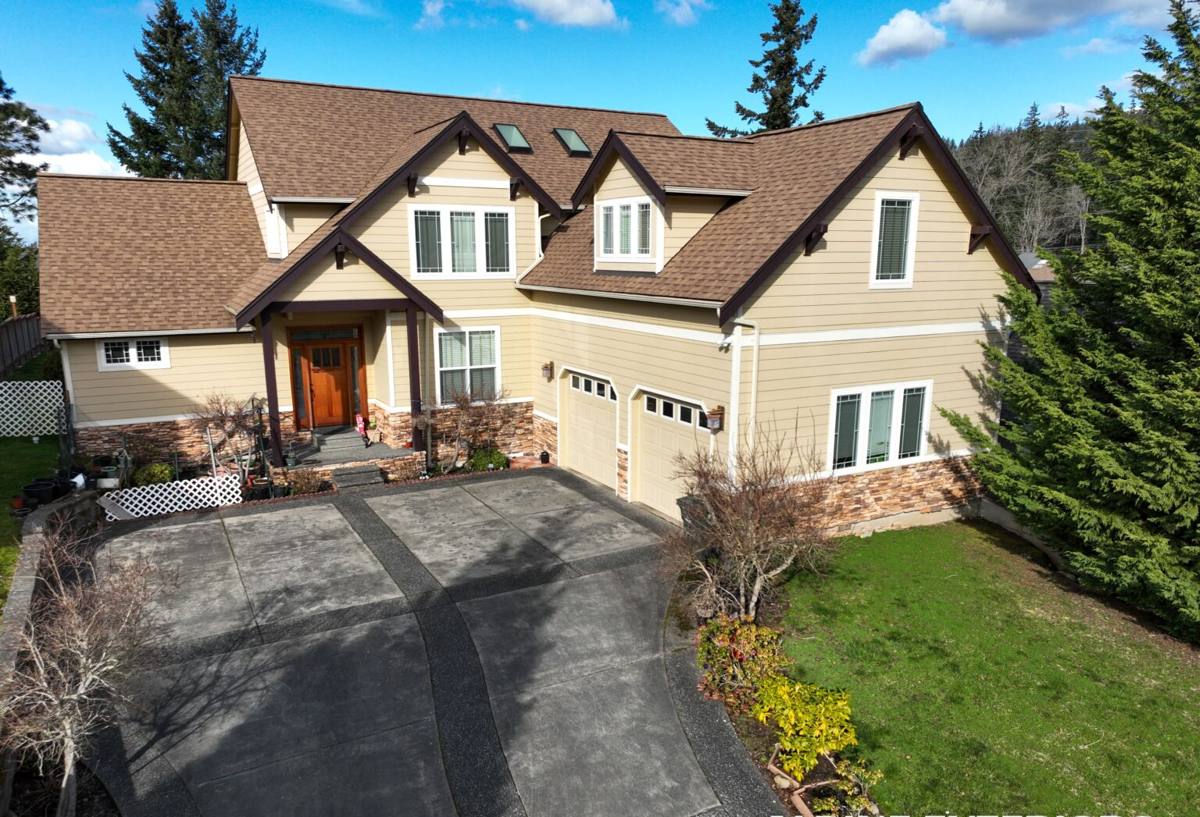
What Anacortes' Marine Climate Does to a Roof Over Time
Salt Air and Corrosion
Coastal air carries salt that settles on any exposed metal surface — fasteners, flashing, panel edges, cut ends. Left unmanaged, that salt accelerates corrosion, especially at points where a panel has been field-cut and the protective coating is no longer intact. This is a slow process, but it's constant, and it's the single biggest reason material choice and coating matter more here than in a roof built twenty miles inland.
Driving Rain and Wind-Driven Water
Anacortes gets weather systems that push rain horizontally, not just straight down. That matters because a roof only has to keep water out when it's falling straight — a driving-rain roof also has to resist water being forced sideways and upward under flashing, at seams, and around penetrations. Underlayment quality and flashing detail work carry more weight in this climate than they would somewhere with calmer storms.
Moss, Shade, and Standing Moisture
Skagit County's tree cover and long wet season give moss plenty of time to establish itself, especially on north-facing slopes or roof sections shaded by mature trees. Moss holds moisture against a roofing surface far longer than open air ever would, which is a serious problem for organic roofing materials but far less of one for metal — as long as the roof is detailed to shed water and debris rather than trap it.
Why Metal Roofing Is a Strong Fit for This Environment
Metal roofing isn't the right choice for every home or every budget, but for Similk Beach's specific mix of salt exposure, rain, and moss, it offers real advantages over asphalt shingles:
- Non-porous surface — moss and algae can grow on top of metal but can't take root in it or degrade it the way they degrade shingle granules and mat over time
- Steep shedding performance — properly installed standing seam panels move water off the roof fast, which matters when rain is being driven at an angle
- No granule loss — asphalt shingles lose surface granules over time, especially under coastal weathering; metal has no granules to lose
- Long service life when the coating system is matched to a marine environment
- Better performance under wind loading when panels are properly fastened and seamed, relevant during winter storm systems that move through the Sound
The trade-off is upfront cost and installation sensitivity — metal roofing rewards correct installation and punishes shortcuts more visibly than shingles do, which is exactly why the installer matters as much as the material.
Panel Types and Coating Systems: What Actually Matters Here
Not all "metal roofing" is the same product, and in a salt-air environment the differences aren't cosmetic. The table below covers the main decision points for a Similk Beach home.
| Option | How It Performs Here | Trade-Off |
|---|---|---|
| Standing seam panels | Concealed fasteners, raised interlocking seams — the strongest option against driving rain and wind uplift | Higher material and labor cost than exposed-fastener panels |
| Exposed-fastener panels | Solid performer for outbuildings and lower-slope applications; adequate rain resistance when installed correctly | Exposed fasteners are a long-term maintenance point in salt air — gaskets and washers wear and need periodic checking |
| Galvalume steel | Aluminum-zinc coating gives strong general corrosion resistance and is a common, cost-effective choice | Cut edges need proper sealing since the coating is disrupted where the panel is field-cut |
| Aluminum | Naturally corrosion-resistant even in direct salt exposure, a common upgrade for homes very close to the water | Costs more than steel and is softer, so it needs careful handling during installation |
| Painted finish systems | Higher-grade paint systems hold color and resist chalking longer under coastal UV and salt exposure | Lower-grade paint finishes fade and chalk faster here than they would inland |
We walk homeowners through these trade-offs based on how close the home sits to the water, how much tree cover it has, and the budget — there's no single "right" panel type for every Similk Beach roof.
What a Correct Installation Involves in This Climate
Underlayment and Water Barrier
A synthetic or self-adhered underlayment rated for the exposure is the roof's backup plan against wind-driven rain that gets past the panel seams. In a driving-rain climate, this layer is not optional trim — it's the difference between a roof that stays dry in a real storm and one that doesn't.
Fastening and Seams
Standing seam panels rely on properly spaced clips and correctly formed seams to resist uplift and keep water out. Exposed-fastener panels rely on every screw being driven straight, at the correct torque, with an intact gasket — a slightly overdriven or underdriven screw is a slow leak waiting to happen, and it's the kind of detail that separates a rushed install from a correct one.
Flashing at Valleys, Walls, and Penetrations
Most metal roof leaks don't happen in the open field of the roof — they happen at transitions: valleys, chimneys, skylights, wall intersections, and vent penetrations. These details take real time to do correctly, and in a home exposed to driving rain, they're not a place to cut corners.
Ventilation
A roof deck that can't breathe traps moisture underneath the metal, which leads to condensation and slow rot regardless of how good the roofing surface is. Proper intake and exhaust ventilation protects the structure the metal roof is sitting on, which matters just as much as the roofing material itself over the long run.
Our Process for Similk Beach Metal Roofing Projects
- On-site assessment — we look at slope, tree exposure, existing deck condition, and how close the home is to the water to determine panel and coating recommendations
- Written estimate — clear scope, materials, and pricing before anything is scheduled
- Tear-off and deck inspection — we check the roof deck for rot or soft spots before anything new goes down, since covering a compromised deck with a beautiful roof doesn't solve the underlying problem
- Underlayment and flashing installation — done to the standard the exposure calls for, not a generic minimum
- Panel installation — fastened and seamed to manufacturer specification, with extra attention at valleys and penetrations
- Final walkthrough — we review the finished roof with the homeowner before calling the job done
Maintenance: What Similk Beach Homeowners Should Actually Watch For
Metal roofing needs far less maintenance than shingles, but "far less" doesn't mean "none" in a salt-air, moss-prone environment. A simple annual check covers most of it:
- Clear debris and needles from valleys and low points where moss and organic matter tend to collect
- Check exposed fasteners (if that panel type was used) for loose screws or worn gaskets
- Look at flashing around chimneys, skylights, and vents for any sign of separation
- Rinse off heavy salt buildup or grime periodically, especially on homes with direct water exposure
- Trim back overhanging branches that keep sections of roof shaded and damp longer than necessary
Cost Factors for a Similk Beach Metal Roof
Every roof is different, but the factors that move the price on a metal roofing project here are fairly consistent:
| Factor | Why It Matters |
|---|---|
| Panel type | Standing seam costs more in material and labor than exposed-fastener systems |
| Roof complexity | Valleys, dormers, and multiple roof planes add flashing work and labor time |
| Existing deck condition | Rot or soft decking found during tear-off adds repair cost before new roofing goes on |
| Coating and material grade | Aluminum and premium paint systems cost more upfront but hold up longer under salt exposure |
| Accessibility | Steep slopes or tight lot access can add labor and equipment cost |
We give homeowners a straightforward, itemized estimate rather than a vague ballpark — you should know what you're paying for and why before you commit to anything.
Why a Crew That Already Works Similk Beach Makes a Difference
A contractor who regularly works this stretch of Skagit County already knows how the wind comes off the water, which roof orientations collect moss fastest, and what flashing details actually hold up here versus what looks fine on paper. That local pattern recognition is not something you get from a crew that installs one metal roof in the area and moves on. It also means faster response if a storm causes damage and you need someone who already knows the property type and conditions common to this neighborhood.
We also handle the permitting and code requirements that apply in Skagit County, so homeowners aren't left figuring that out on their own.
Get a Free, No-Pressure Estimate
If you're weighing a metal roof for your Similk Beach home, we're happy to take a look, answer your questions honestly, and give you a clear written estimate — no pressure, no sales tactics. Use the form below to get started.