 Anacortes Siding
 Why Skyline Roofs Wear Differently Than Roofs Inland
Skyline sits close enough to the water that the air itself works against a roof year-round. Salt-laden moisture off the surrounding channels settles into shingle granules and metal flashing, wind-driven rain finds its way under poorly lapped courses, and the shade from mature trees keeps north-facing slopes damp long after the rest of the roof has dried out. None of that is unique to any one house — it's just what a roof in this part of Skagit County has to deal with, season after season.
The result is that a roofing job done to a generic standard doesn't hold up the same way here as it would forty miles inland. Underlayment choices, flashing details, and ventilation all need to account for a climate that stays wet for long stretches and rarely gives a roof a real chance to fully dry. That's the lens we bring to every asphalt shingle roof we install or repair in Skyline.
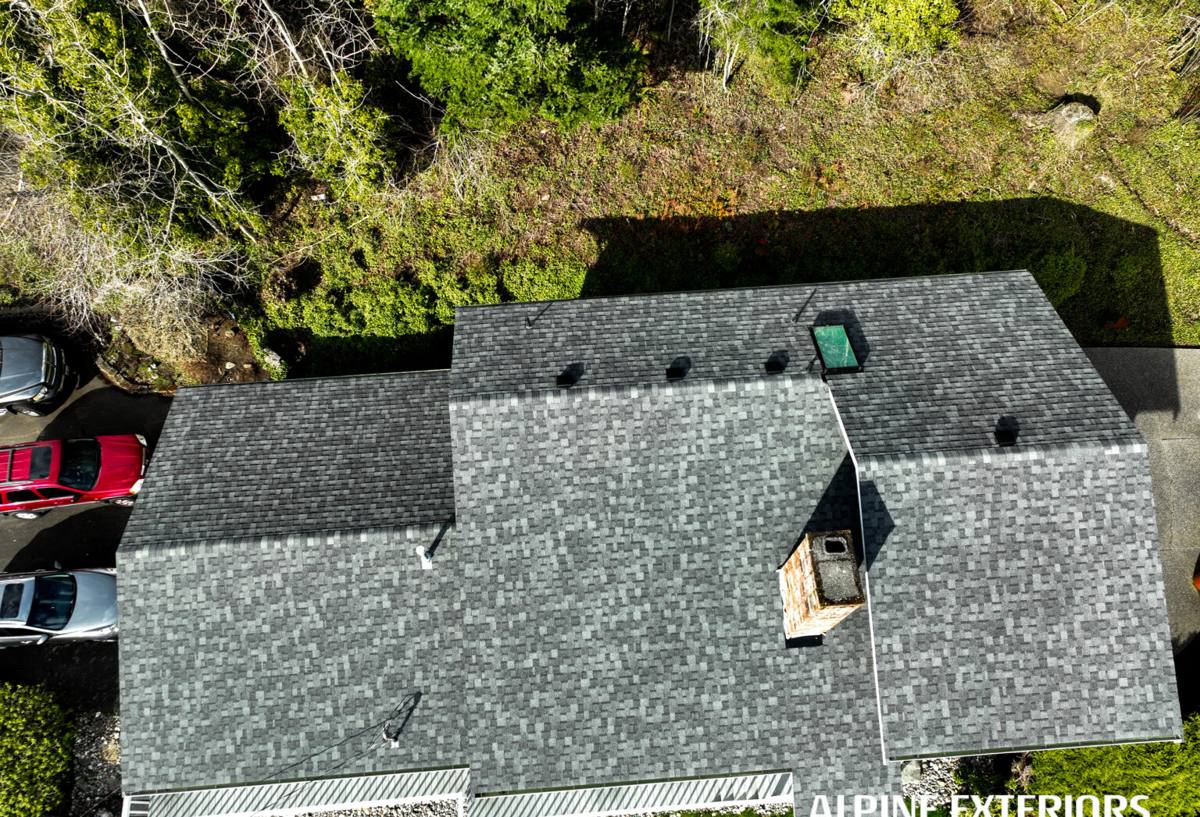
What Anacortes' Marine Climate Actually Does to a Roof
Salt Air and Metal Components
Flashing, drip edge, nail heads, and vent stacks are all metal, and metal near salt water corrodes faster than the same materials would twenty miles east. Cheap or under-coated flashing can start showing rust streaks in a handful of years. We spec corrosion-resistant metal for anything installed on a Skyline roof, because replacing flashing on a roof that's otherwise sound is a needless expense.
Driving Rain
Anacortes doesn't just get rain — it gets rain pushed sideways by wind off the water. That kind of weather finds every shortcut in a roofing job: shingles nailed too high, underlayment laps run the wrong direction, valleys that weren't properly woven or lined. A roof built for calmer weather can look fine for years and still leak the first time a real windstorm rolls through.
Moss and Shade
Anacortes' tree cover is part of what makes Skyline a good place to live, but shaded, north-facing roof slopes stay damp longer and grow moss faster than sun-exposed ones. Moss isn't just cosmetic — it lifts shingle edges, holds moisture against the roof deck, and works its way under tabs over time. A moss-heavy roof is often a roof that's been trapping water for longer than the homeowner realizes.
What a Correct Asphalt Shingle Roof Involves
"Correct" isn't a marketing word — it describes a specific set of steps that, done in order and done right, are what actually keeps water out for the life of the roof. Skipping or shortcutting any of these is how roofs end up leaking well before they should.
- Full tear-off: Layering new shingles over old ones traps moisture and voids most manufacturer warranties. We strip to the deck on every re-roof.
- Deck inspection and repair: Soft, rotted, or delaminated sheathing gets replaced before anything new goes down — covering a bad deck just hides the problem.
- Ice-and-water shield at vulnerable points: Eaves, valleys, and roof penetrations get a self-adhered waterproof membrane, not just felt paper, because those are where wind-driven rain gets pushed hardest.
- Synthetic underlayment across the field: A durable, properly lapped underlayment is the roof's real backup layer if a shingle ever fails.
- Correct nailing pattern: Six nails per shingle in high-wind zones, placed in the manufacturer's nail line — not the four-nail shortcut that voids warranties and lets shingles lift in gusts.
- Properly formed valleys and flashing: Woven, closed-cut, or open metal valleys installed to spec, plus new step and counter-flashing at every wall and chimney intersection.
- Balanced attic ventilation: Intake at the eaves and exhaust at the ridge, sized to the attic, so moisture and heat don't get trapped under the deck.
Choosing a Shingle That Can Handle Skyline's Conditions
Not every asphalt shingle is built the same, and in a damp, shaded, salt-exposed setting the differences matter more than they would in a drier climate. The biggest factor for Skyline homes is algae and moss resistance, followed by wind rating.
| Shingle Type | Best For | Trade-Offs in This Climate |
|---|---|---|
| 3-tab (standard) | Budget re-roofs, secondary structures | Lower wind rating and shorter lifespan; moss and algae show faster without a resistant coating |
| Architectural / laminate | Most Skyline homes | Heavier, better wind resistance, longer warranty; the standard we recommend for primary roofs here |
| Algae-resistant (AR) coating | Shaded, north-facing, or tree-covered lots | Copper- or zinc-infused granules slow algae and moss growth; a smart upgrade rather than a necessity on sunnier lots |
| Impact-rated / Class 4 | Homes wanting maximum durability | Higher upfront cost; benefit is more about hail and debris resistance than moisture, so it's optional here |
For most Skyline homes, an architectural shingle with algae-resistant granules is the right balance of cost, appearance, and performance. It's not the cheapest option on the shelf, but it's the one that holds its color and its seal in the conditions this neighborhood actually sees.
Ventilation and Moisture: The Part Most Roofs Get Wrong
A shingle roof isn't just the shingles — it's a system that depends on air moving through the attic to carry moisture and heat out before they cause damage. In a marine climate, an under-ventilated attic traps humid air against the underside of the deck, which can lead to premature sheathing rot, mold, and shingle failure from the inside out, all while the shingles themselves still look fine from the ground.
We check intake and exhaust balance on every re-roof — not just whether there's a ridge vent, but whether enough air can actually get in at the eaves to make that ridge vent do its job. On older Skyline homes, this is one of the most common gaps we find: a ridge vent installed at some point with little or no matching intake, which does almost nothing for the attic.
Our Process, Start to Finish
- On-site inspection: We walk the roof (weather permitting) and the attic, checking deck condition, ventilation, flashing, and any signs of past leaks — not just the shingles.
- Written estimate: A clear scope and price, including any deck repair allowance, before any work begins. No surprise change orders for things we should have caught up front.
- Material delivery and protection: Landscaping, siding, and gutters get protected before tear-off starts.
- Tear-off and deck repair: Old roofing comes off in sections to limit exposure, and any soft or damaged decking is replaced and documented.
- Underlayment, flashing, and shingle installation: Installed to manufacturer spec and local wind requirements, with valleys and penetrations detailed first.
- Ventilation check: Intake and exhaust confirmed and corrected if the existing setup is inadequate.
- Cleanup and magnetic sweep: Full site cleanup, including a nail sweep of the yard and driveway.
- Final walkthrough: We go over the finished roof with you before calling the job done.
What Affects the Cost of a Skyline Re-Roof
Every roof is different, and we won't quote a price without seeing yours, but these are the factors that move the number up or down most:
| Factor | Why It Matters |
|---|---|
| Roof size and pitch | More surface area and steeper pitches mean more material and more labor time/safety setup |
| Number of layers to remove | Tearing off two layers of old roofing costs more in labor and disposal than one |
| Deck condition | Rotted or delaminated sheathing found during tear-off adds material and labor to replace |
| Shingle grade | Standard 3-tab, architectural, and algae-resistant or impact-rated products all price differently |
| Roof complexity | Valleys, dormers, skylights, and multiple chimneys all add flashing detail and time |
| Ventilation upgrades | Adding proper intake or exhaust venting where none existed is a worthwhile add, not a padded line item |
Broadly speaking, a straightforward architectural shingle re-roof on an average Skyline home runs in the range most homeowners expect for quality materials and correct installation — but roof size, pitch, and what we find once tear-off starts are what actually set the final number. We'd rather give you a real number after looking at your roof than a lowball estimate that changes once we're up there.
Maintaining Your Roof Through Moss Season
A well-installed shingle roof still needs some basic upkeep to reach its full lifespan in this climate. Most of it is simple and doesn't require a professional every time.
- Keep gutters clear of needles and leaf debris so water isn't backing up under the eaves
- Trim back overhanging branches to cut down on shade and debris on north-facing slopes
- Have moss physically removed (not just chemically treated) if it's built up along ridge lines or under tabs
- Use zinc or copper control strips at the ridge to slow future moss and algae growth
- Check attic ventilation isn't blocked by insulation or debris after any attic work
- Schedule a visual roof check after major windstorms, especially if you hear or see debris strikes
- Don't pressure-wash the roof — it strips granules and shortens shingle life
Why It Matters That We Already Work in Skyline
A roof crew that's worked other Skyline homes already knows how the wind moves off the water and where it tends to catch a roofline, which slopes stay shaded longest through the year, and what Skagit County and City of Anacortes permitting requires before work starts. That's not a small thing — it's the difference between a crew guessing at what your roof needs and one that's seen the same conditions on the house down the street.
It also means we're not learning on your roof. We know which flashing details tend to fail first in this area, which ventilation setups actually hold up, and which shingle products perform the way they're supposed to once they've been through a few real Anacortes winters. That local track record is worth more than a low bid from a crew that's never worked west of the interstate.
Signs Your Skyline Roof Needs Attention
Asphalt shingle roofs rarely fail all at once — they show warning signs first. Worth a call if you're seeing:
- Granules collecting in gutters or at downspout outlets
- Shingles that look cupped, curled, or are missing tabs
- Dark streaking or thick moss growth, especially on shaded slopes
- Daylight visible through the attic roof deck, or damp insulation
- Water stains on interior ceilings after heavy wind-driven rain
- A roof that's twenty years old or older and hasn't had a professional inspection recently
Catching these early is almost always cheaper than waiting for an active leak, since the damage tends to be in the deck and interior finishes by the time water is visibly coming through.
If you're weighing repair versus replacement, or just want an honest read on where your roof stands, we're glad to take a look. Use the form below to request a free, no-pressure estimate for your Skyline home.