 Anacortes Siding
 Siding Replacement for Oak Harbor Homes
Oak Harbor sits out on Whidbey Island, exposed to Puget Sound on multiple sides and connected to the mainland by the Deception Pass corridor near Anacortes. That geography is beautiful, but it's rough on exterior building materials. Homes here take on salt-laden air moving off the water, driving rain that comes in sideways during winter storms, and a moss and algae season that can run most of the year in shaded, north-facing areas. If you're looking at a siding replacement project for a home in or around Oak Harbor, the material and the installation details matter more than they would somewhere drier and further inland.
This page covers what a correct siding replacement job looks like for this specific area, what local homes tend to need, and why we standardized on one product system rather than offering several.
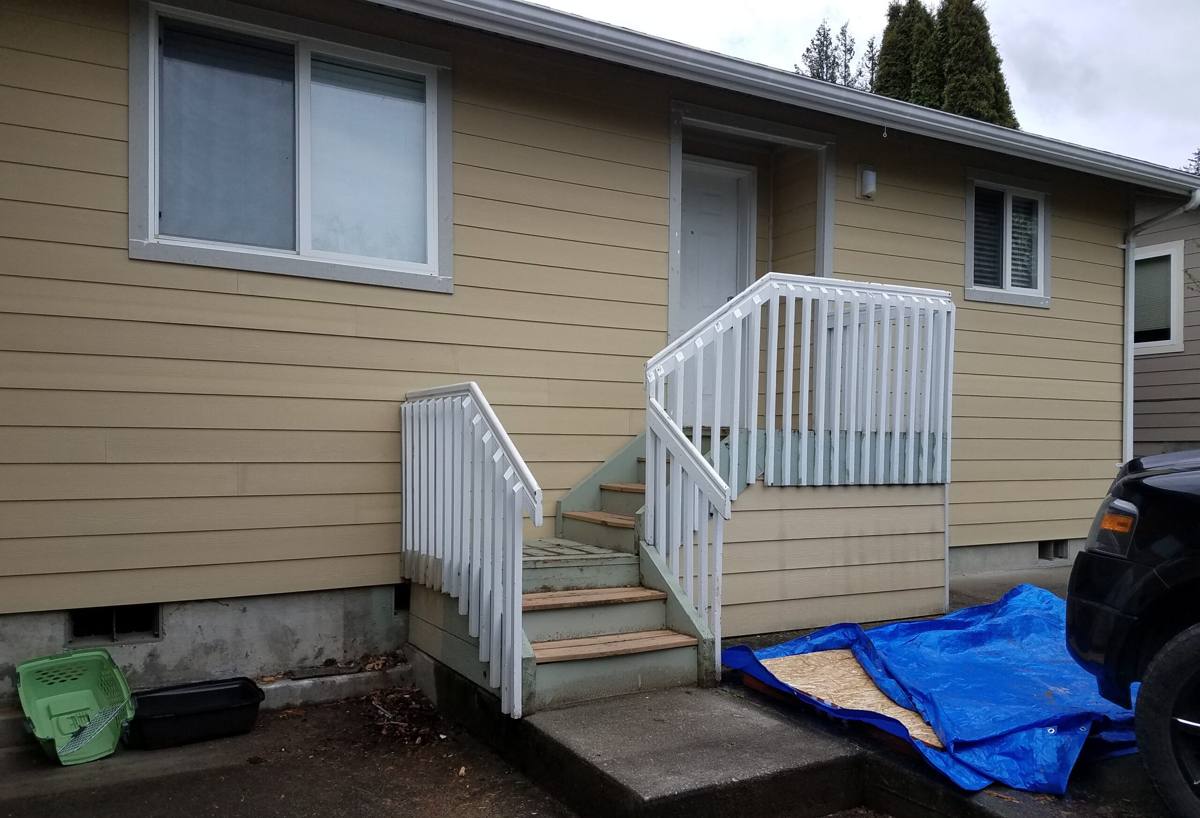
What Makes Oak Harbor's Climate Hard on Siding
Salt Air and Moisture
Airborne salt doesn't just corrode metal fasteners and flashing over time — it also holds moisture against a wall surface longer than plain rain does. Siding materials that swell, wick water, or rely on paint film to stay sealed are put under more stress here than in a typical inland neighborhood.
Driving, Wind-Driven Rain
Storms coming off the Sound frequently push rain sideways rather than straight down. That means water finds its way into laps, seams, and butt joints that would stay dry in a calmer climate. Flashing details and proper overlap at every joint aren't optional extras here — they're the difference between a wall that stays dry and one that doesn't.
Moss and Algae
Shaded exposures, especially north- and east-facing walls near trees or close neighboring structures, stay damp for extended stretches. That's exactly the environment moss and algae need to take hold on a siding surface, and once established they hold even more moisture against the substrate underneath.
Signs a Home Needs Replacement, Not Just Repair
Not every siding problem calls for a full tear-off. But there's a point where patching becomes false economy — you're spending money to delay a job that still has to happen, while the wall behind the siding keeps absorbing moisture. Here's what tends to signal that replacement is the honest answer:
- Soft or spongy spots when you press on the siding, especially near the bottom courses or around window trim
- Persistent moss or algae growth that returns within a season of cleaning
- Visible warping, cupping, or buckling panels, particularly on walls facing prevailing weather
- Paint that won't hold — recurring peeling or bubbling even after prep and repainting
- Rot or soft framing discovered at trim, corners, or penetrations (hose bibs, vents, light fixtures)
- Siding that's original to a home built more than 20-25 years ago, especially if it's an engineered wood or hardboard product
- Rising energy bills with no other explanation, which can point to a compromised weather barrier
If a home is only showing one or two of these signs in a limited area, targeted repair may still make sense. When several show up together, or when the sheathing underneath is already wet, replacement is almost always the more honest recommendation.
What a Correct Siding Replacement Job Actually Involves
Siding replacement is more than swapping old panels for new ones. A job done right treats the whole wall assembly, not just the visible surface:
- Full tear-off. Old siding and trim come off completely so the sheathing and framing underneath can be inspected — not just re-covered.
- Substrate repair. Any rot, soft sheathing, or damaged framing gets cut out and replaced before anything new goes back on. This step gets skipped more often than it should, and it's the one that determines whether the new siding lasts.
- Weather-resistive barrier. A correctly lapped house wrap or building paper goes on, integrated with flashing at every window, door, and penetration so water has a planned path out, not just a hope that it won't get in.
- Flashing details. Head flashing, kick-out flashing at roof-wall intersections, and proper drip edges matter more in a driving-rain climate than almost anything else in the job.
- Siding installation to manufacturer spec. Correct fastener type and spacing, proper gapping for expansion, and factory-finished panels installed per the manufacturer's published instructions — not shortcuts that void the warranty.
- Trim, caulking, and final detailing. The visible finish work, done last, once everything underneath is verified dry and sealed.
Why We Install Only James Hardie Fiber Cement
We don't offer a menu of siding brands. We install James Hardie fiber cement, and we standardized on it after weighing how different products actually perform in a marine climate like this one, not just how they look on day one.
Fiber cement is non-combustible, doesn't swell or rot the way wood-based products can, and holds its factory-applied ColorPlus finish far longer than field-painted materials — which matters directly here, since repainting a home exposed to salt air and constant moisture is neither cheap nor a one-time cost. Hardie also engineers specific product lines (its HZ5 and HZ10 designations) for different climate zones, accounting for humidity and temperature ranges rather than selling one generic version everywhere.
We won't install vinyl, LP SmartSide, Cemplank, Allura, or primed wood siding. Each has legitimate uses and each has honest customers who are happy with them. But we've made a professional decision to stand behind one system we can install to spec, warranty with confidence, and maintain a real track record on — rather than spreading our crews thin across products with different installation requirements and different long-term behavior in this specific climate.
Vinyl and Engineered Wood — the Trade-Offs We Weigh
| Consideration | Vinyl Siding | Engineered Wood (LP-type) | James Hardie Fiber Cement |
|---|---|---|---|
| Moisture behavior | Doesn't rot, but can warp or crack in temperature swings; trapped moisture behind it can still cause problems | Wood-based core is vulnerable to swelling and rot if any moisture gets past the coating | Doesn't absorb moisture into a wood substrate; holds up in sustained damp exposure |
| Finish longevity | Color molded in, but can fade and become brittle with UV and salt exposure over years | Relies on factory or field coating; touch-ups needed if damaged | Factory ColorPlus finish backed by its own coating warranty |
| Fire performance | Combustible | Combustible | Non-combustible |
| Installation sensitivity | Moderate — needs room for expansion | High — seams and cut edges must be sealed correctly or moisture gets in | Moderate — precise fastening and gapping per manufacturer spec |
Our Process, Start to Finish
For an Oak Harbor project, our process runs the same as it does anywhere in our service area, with extra attention to flashing and moisture detailing given the exposure:
- Free on-site estimate. We walk the exterior with you, look at problem areas, and give you an honest read on whether repair or replacement fits the situation.
- Written scope and pricing. You get a clear breakdown of what's included — tear-off, substrate repair allowances, materials, trim, and cleanup — before any work starts.
- Scheduling around weather. Because the wall is open to the elements during tear-off, we plan around forecasted rain rather than working through it.
- Tear-off and substrate inspection. This is when hidden damage, if any, gets identified and discussed with you directly — no surprise change orders sprung after the fact without explanation.
- Installation to spec. Weather barrier, flashing, and Hardie panels or planks installed following manufacturer instructions.
- Final walkthrough. We go over the finished job with you before considering it complete.
Cost Factors for a Replacement Project
Every home is different, and we won't quote a number without seeing the house, but these are the factors that move the price up or down on most Oak Harbor projects:
| Factor | Why It Matters |
|---|---|
| Extent of substrate repair | Rot or soft sheathing discovered during tear-off adds material and labor that can't be priced sight unseen |
| Home size and wall complexity | More corners, gables, and trim detail mean more labor time per square foot |
| Siding profile chosen | Lap width, shingle-style panels, and board-and-batten each carry different material and labor costs |
| Access and site conditions | Steep lots, limited staging area, or difficult equipment access add time |
| Existing siding removal | Multiple layers of old siding, or hazardous materials like old asbestos-containing siding, require extra handling |
| Trim and accessory scope | Full trim replacement versus reusing sound existing trim changes both cost and long-term performance |
Why Local Experience in This Area Matters
A crew that regularly works Whidbey Island and the surrounding Anacortes and Skagit County area already knows how to schedule around this region's weather windows, how to detail flashing for wind-driven rain rather than just vertical rain, and what kind of moss and algae exposure to expect on shaded elevations. That's not something you can fully substitute with a generic install crew working from a different climate's playbook. It shows up in the small decisions — where to add extra flashing, how tight to run caulk joints, which elevations need the most attention — that don't show up on a spec sheet but do show up in how the wall performs five and ten years later.
Caring for New Siding in This Climate
Fiber cement siding is low-maintenance compared to painted wood, but "low-maintenance" isn't "no-maintenance" in a salt-air, high-moss environment. A periodic soft wash to knock down moss and algae buildup, keeping gutters clear so water isn't sheeting down the wall face, and trimming back vegetation that shades and dampens a wall all extend the life of the finish and reduce the chance of moisture problems finding a way in around trim and penetrations.
If you're weighing repair against replacement, or just want an honest look at what a home near Oak Harbor actually needs, we're glad to come take a look. The estimate is free, there's no pressure, and you'll get a straight answer about what your home needs — not just a quote.