 Anacortes Siding
 Roofing in a Marine Environment: Why Ship Harbor Is Different
Homes near Ship Harbor sit close to open water on the west side of Fidalgo Island, right where Anacortes catches the full force of weather moving through Rosario Strait and Guemes Channel. That exposure matters more than most homeowners realize. A roof two miles inland in Skagit County ages differently than one facing the water here. Salt-laden air corrodes exposed metal faster, wind-driven rain finds its way under flashing and shingle laps that would hold fine in a calmer spot, and the shade and moisture from the surrounding evergreen cover keeps roofs damp longer between storms, which is exactly what moss needs to take hold.
None of this means Ship Harbor roofs are doomed to fail early. It means they need to be built, repaired, and maintained with that exposure in mind. A patch job that would hold up fine in a dry inland neighborhood can fail within a season out here if it doesn't account for wind uplift and constant moisture.
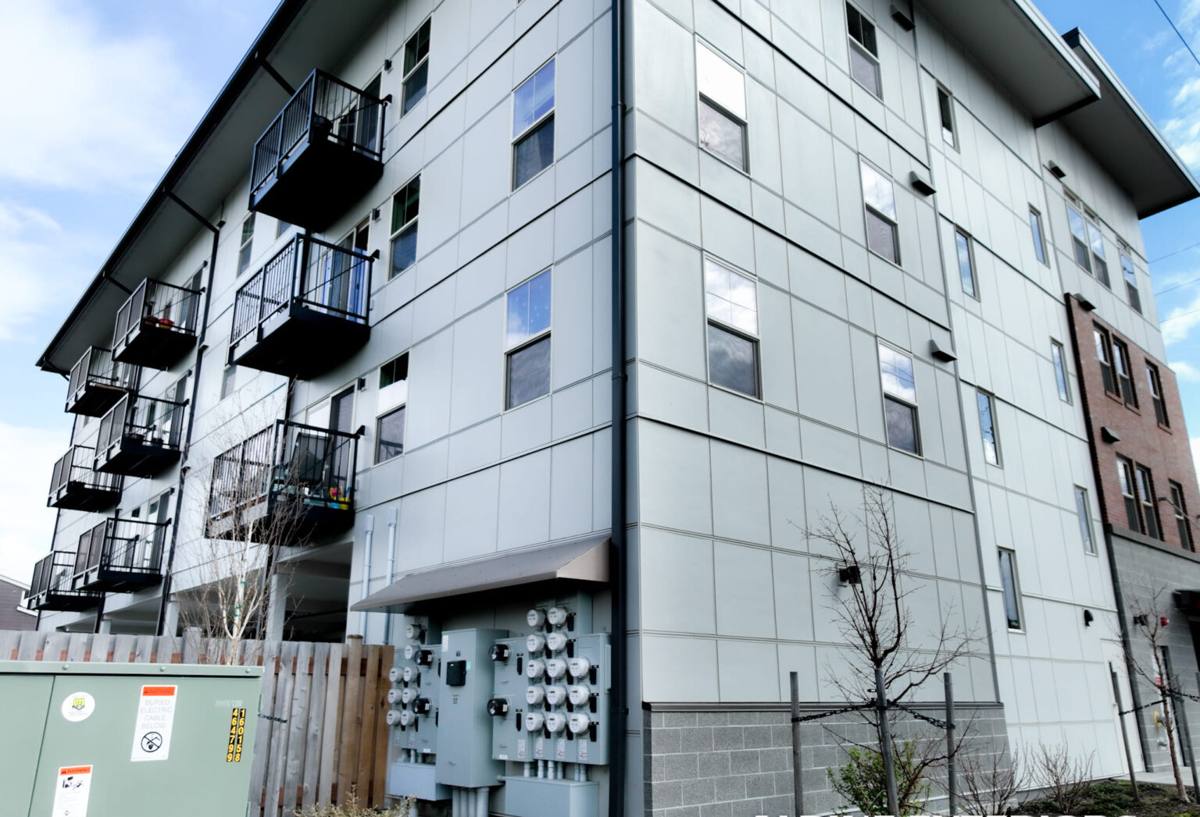
The Roof Problems We See Most Often Near Ship Harbor
After years of working roofs across Anacortes and the surrounding Skagit County coastline, a few failure patterns show up again and again in this specific area:
- Moss and organic buildup in valleys, north-facing slopes, and anywhere tree cover keeps a section of roof shaded and damp for most of the day
- Lifted or cracked shingle tabs along ridge lines and roof edges, where sustained wind off the water works at the seal strip over time
- Corroded or failing metal flashing around chimneys, skylights, and roof-to-wall transitions, especially on older galvanized flashing that wasn't upgraded for coastal exposure
- Clogged or undersized gutters and valleys that back water up under the roofing during heavy rain events rather than shedding it
- Nail and fastener corrosion in older roofs, where standard fasteners weren't rated for salt-air exposure and slowly lose their grip
Most of these problems don't announce themselves with a dramatic leak right away. They show up first as a stain on a ceiling, a soft spot near an exterior wall, or shingle granules collecting in the gutters. By the time water is visibly coming through, the underlayment and decking underneath have often already been compromised.
Why Moss Is More Than a Cosmetic Issue
Moss holds moisture directly against the shingle surface, which shortens the life of the roofing material and can lift shingle edges just enough for wind-driven rain to work its way underneath. On a roof with good drainage and enough sun exposure, moss is manageable with routine cleaning. On shaded, north-facing sections common in wooded Ship Harbor lots, it can become a recurring maintenance issue that needs to be part of any repair plan, not just scraped off once and forgotten.
What a Correct Roof Repair Actually Involves
A roof repair done right isn't just sealing the spot where water is showing up inside the house. Water travels along the roof deck before it drips through drywall, so the visible stain and the actual point of failure are often several feet apart. A proper repair starts with tracing the water back to its real entry point, which usually means pulling back shingles or flashing rather than just caulking the surface.
From there, a correct repair addresses the underlying cause, not just the symptom:
- Replacing damaged or missing shingles with matching material, not just layering new shingles over old
- Re-flashing chimneys, vents, and wall transitions with corrosion-resistant metal suited to salt air, rather than reusing failing galvanized flashing
- Checking and repairing the underlayment beneath the affected area, since a torn or degraded underlayment is often the real reason water got through
- Confirming the roof deck itself hasn't gone soft from prolonged moisture exposure before new material goes down over it
- Restoring proper water flow through valleys and around penetrations so the same spot doesn't fail again next storm season
A quick patch over a symptom might buy a season, but it almost always costs more in the long run once the underlying damage has spread.
Signs Your Roof Needs Repair
Most roof problems near Ship Harbor are easier and cheaper to fix when caught early. Homeowners are in the best position to catch the early signs, since they see the property every day. Watch for:
- Water stains or discoloration on interior ceilings, especially after a wind-driven rain event
- Shingle granules collecting in gutters or at downspout outlets
- Visibly curled, cracked, or missing shingles, particularly along ridges and edges
- Moss or dark streaking building up on shaded roof sections
- Daylight visible through the roof deck from inside an attic space
- Soft or spongy spots when walking the roofline (best assessed by a professional, not a homeowner on a ladder)
- Rust streaks or visibly corroded flashing around chimneys and vents
If you're seeing more than one of these, it's worth having someone look at the roof before the next storm rolls through, rather than after.
Repair or Replace? How We Help You Decide
Not every roof problem near Ship Harbor calls for a full replacement, but some do. The honest answer depends on a handful of factors, and we walk through all of them with you before recommending either path.
| Factor | Favors Repair | Favors Replacement |
|---|---|---|
| Roof age | Under roughly 15 years, or a newer roof with isolated damage | Approaching or past the end of its rated material life |
| Extent of damage | Localized to one section, flashing point, or storm event | Multiple areas failing independently across the roof |
| Underlying deck condition | Deck is sound once the leak source is fixed | Widespread soft or rotted decking found during inspection |
| Moss and moisture history | First occurrence, manageable with cleaning and a repair | Chronic moss damage that's degraded shingles over years |
| Remaining warranty | Repair keeps existing material warranty intact | Warranty already void or roof material discontinued |
We'll give you a straight answer based on what we actually find during the inspection, not what's easiest to sell. If a repair will genuinely hold up to Ship Harbor's weather for years to come, that's what we'll recommend.
Our Roof Repair Process
- On-site inspection. We get on the roof (weather permitting) and in the attic if needed, tracing the water path rather than guessing from the ground.
- Honest diagnosis. We explain what's actually failing, why, and what it will take to fix it correctly — including if the answer is a smaller repair than expected.
- Clear scope and estimate. You get a written explanation of the work and materials before anything is touched, no vague line items.
- Repair work. We replace damaged material, re-flash where needed, and confirm the deck and underlayment are sound before closing everything back up.
- Final check. We confirm water flow, flashing seals, and shingle lines are correct before we consider the job done.
Materials We Use for Coastal Repairs
For homes in this exposure, we favor corrosion-resistant flashing metals over standard galvanized steel, and we match fasteners to the material and location rather than defaulting to whatever's cheapest. On shingle roofs, we use algae-resistant shingles where a full section is being replaced, since standard shingles left in shaded, damp conditions are more prone to the staining and granule loss that shortens their service life. These aren't upsells — they're the standard we hold repairs to because a repair that fails again in two years isn't actually a repair.
Moss Control and Ongoing Maintenance
A repair fixes the current problem. Keeping it fixed on a Ship Harbor roof usually takes a little ongoing attention, especially on shaded slopes:
- Periodic moss and debris removal before it builds up thick enough to hold moisture against the shingles
- Keeping gutters and valleys clear so water actually drains instead of backing up under roofing edges
- Trimming back overhanging branches where practical to let more sun and airflow reach shaded sections
- A quick visual check after major wind events, since that's when lifted or torn shingles usually happen
We're happy to point out what your specific roof needs during an inspection, even if it's just a maintenance note rather than a paid repair.
Why Local Experience with Ship Harbor Roofs Matters
Roofing crews that mostly work drier, inland areas don't always account for how differently a coastal Skagit County roof ages. Wind loads, salt exposure, and moss patterns near the water call for different flashing choices, different attention to drainage, and a different sense of which roof sections are going to fail first. Working this specific area regularly means we've already seen how these homes behave through multiple storm seasons — which valleys clog, which flashing details hold up, and which repairs actually last through the next round of driving rain off the strait.
That local familiarity isn't a marketing line — it changes what gets flagged during an inspection and how a repair gets built.
Get a Straight Answer on Your Roof
If you're dealing with a leak, storm damage, or a roof that's overdue for a look near Ship Harbor, we're glad to come take a look. We'll give you a clear, honest assessment of what's actually going on and what it will take to fix it right — no pressure, no upsell. Use the form below to request a free estimate.