 Anacortes Siding
 Storm Damage Roof Repair in Ship Harbor
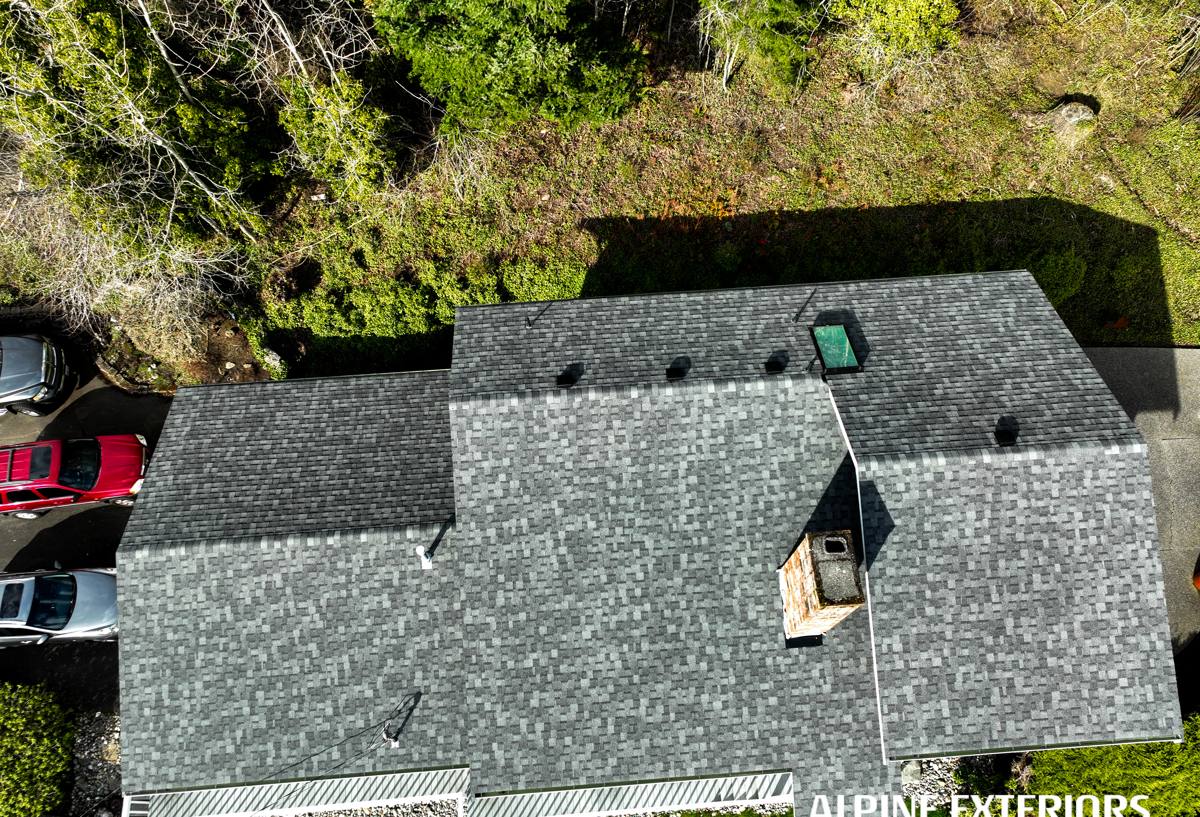
Ship Harbor sits at the exposed western edge of Anacortes, where homes take the full brunt of weather rolling in off Rosario Strait and the Guemes Channel. That location is part of what makes the neighborhood beautiful, and it's also exactly why roofs here take more punishment than roofs a few miles inland. Wind-driven rain, salt-laden air, and long stretches of damp, low-sun weather all work against a roof year-round, and a single winter storm can turn small, hidden wear into a real leak fast. We repair storm-damaged roofs for Ship Harbor homeowners, and we do it with an understanding of exactly what this stretch of Skagit County throws at a roof.
What Makes Ship Harbor Roofs Different
Not every roof repair job is the same, and a roof near the water faces a different set of stresses than one tucked into a sheltered inland lot. Three factors matter most here:
Salt Air and Corrosion
Ship Harbor's proximity to open water means airborne salt settles on roofing materials, flashing, fasteners, and gutters. Over time, salt exposure accelerates corrosion on exposed metal — nail heads, flashing seams, vent boots with metal collars — well before it would fail on a roof further from the coastline. A storm that pulls at already-weakened flashing or fasteners can open a leak point that wouldn't have budged on a less-exposed roof.
Driving Rain and Wind Direction
Storms coming off the strait don't just drop rain straight down — they push it sideways, under shingle tabs, into ridge caps, and around chimney and skylight flashing that would stay dry in a calmer rain. Wind-driven rain finds weaknesses that vertical rain never would, which is why storm damage here often shows up as interior staining in places a homeowner wouldn't expect, far from the actual point of entry on the roof.
Moss and Moisture Retention
Anacortes' long wet season and the shade common in many Ship Harbor yards give moss a long growing window. Moss holds moisture against roofing material, works its way under shingle edges, and lifts tabs enough for wind to grab during a storm. A roof with moss buildup going into storm season is a roof primed to lose shingles or take water intrusion it otherwise wouldn't.
Common Storm Damage We See in This Neighborhood
- Lifted or torn-off shingle tabs along roof edges and ridges, where wind uplift is strongest
- Flashing pulled loose or corroded at chimneys, skylights, and roof-to-wall transitions
- Granule loss and bruising from wind-blown debris, which shortens the life of the remaining shingle field
- Moss-related lifting that turns into full detachment once wind gets under a tab
- Gutter and downspout damage that redirects water onto fascia and siding instead of away from the house
- Soft or stained roof decking under a roof that's had a slow, undetected leak for longer than one storm
Some of this is obvious from the ground. A lot of it isn't — which is the main reason storm damage should be inspected by someone who knows what to look for, not just glanced at after a bad night of wind.
Our Storm Damage Repair Process
1. Inspection First, Always
We start with a full roof inspection, not a quick look from the driveway. That means getting on the roof when it's safe to do so, checking flashing points, decking condition, and the areas most exposed to prevailing wind and rain. We also check the attic side when accessible, since decking staining or wet insulation tells us things the roof surface alone won't.
2. Honest Assessment of What's Actually Needed
Storm damage repair should match the actual damage — not be inflated into a full re-roof when a targeted repair will hold, and not understated into a patch job when the decking or underlayment is already compromised. We walk you through what we found, what caused it, and what a correct repair involves before any work starts.
3. Repair, Matched to How the Roof Actually Fails Here
Repairs are done to address the specific failure mode — re-securing or replacing lifted shingles, correcting flashing that was under-sized or improperly lapped for wind-driven rain, replacing corroded fasteners with materials suited to salt air exposure, and addressing any decking that's taken on moisture. We don't consider a repair finished until the underlying cause is corrected, not just the visible symptom.
4. Cleanup and a Clear Explanation
We clear debris, check gutters and downspouts are functioning correctly again, and leave you with a plain explanation of what was repaired and why — including anything worth keeping an eye on going forward.
Repair vs. Full Roof Replacement: How We Think About It
Storm damage doesn't automatically mean a new roof, and it doesn't automatically mean a small patch will hold either. The right call depends on the roof's age, the extent of the damage, and what's happening underneath the surface layer.
| Factor | Points Toward Repair | Points Toward Replacement |
|---|---|---|
| Roof age | Under 15 years, remaining material in good shape | Near or past expected lifespan for the material |
| Extent of damage | Isolated to one section, flashing, or a handful of shingles | Widespread across multiple roof planes |
| Decking condition | Dry, solid decking under the damaged area | Soft, delaminated, or water-stained decking |
| Moss/organic buildup | Minor, addressed with cleaning and treatment | Long-term buildup with widespread material degradation |
| Storm frequency | Single event, first significant damage | Repeated damage in the same areas over multiple seasons |
When a roof is a genuine judgment call, we'll say so, and we'll tell you what we'd do in your position rather than defaulting to the bigger job.
Insurance and Storm Damage
Many storm damage repairs in Skagit County are covered wholly or partly by homeowners insurance, particularly wind and impact damage tied to a specific storm event. We can document what we find with clear photos and a written scope of damage that you can provide to your insurer. We're not adjusters and we don't handle the claim for you, but we make sure the physical documentation of the damage is thorough and accurate, which matters for how smoothly a claim moves.
Why a Local Crew Matters for This Kind of Repair
Storm damage repair is not a job where a generic approach holds up well over time. A crew that regularly works in Ship Harbor and along the rest of the Anacortes waterfront already knows which flashing details tend to fail first in this exposure, which fastener types hold up against salt air and which corrode early, and how moss establishes itself on the roof orientations common in this part of Skagit County. That knowledge shows up in repairs that address the actual cause of failure instead of just patching the symptom — which matters most on a roof that's already proven, by taking storm damage, that its weak points are exposed to real conditions.
What to Do Right After a Storm
- Do a ground-level visual check for obvious missing shingles, damaged flashing, or debris on the roof — don't get on the roof yourself after a storm
- Check the attic, if accessible, for new staining, dampness, or daylight showing through the decking
- Note any interior ceiling or wall staining, even if faint — it often shows up away from the actual entry point
- Clear debris from gutters and downspouts once it's safe, so water isn't backing up against the roofline
- Get a professional inspection before the next storm rolls through, especially during Anacortes' wetter months
- Take photos of any visible damage for your own records before repairs begin
Preventing the Next Storm From Doing More Damage
Once storm damage is repaired, a few maintenance habits go a long way toward keeping the next storm from causing the same problem again. Keeping moss growth under control — especially on shaded roof sections — removes one of the main reasons shingles lift in wind. Clean gutters keep water moving off the roof instead of backing up under the edge. And a periodic inspection, particularly before the fall and winter storm season sets in, catches small issues — a lifted shingle tab, a flashing seam starting to separate — while they're still a small, inexpensive fix instead of an emergency repair after the next big blow.
Get a Straightforward Estimate
If your Ship Harbor home has taken storm damage, or you want a roof checked over before the next system rolls in off the water, we're glad to take a look. We'll give you a clear, honest read on what's going on and what it would take to fix it right — no pressure, no inflated scope. Use the form below to request a free estimate.