 Anacortes Siding
 Sedro-Woolley sits inland along the Skagit River valley, a short drive up Highway 20 from our home base in Anacortes. It's a different pocket of Skagit County than the coast — less direct salt spray, but no shortage of rain, valley fog, and the kind of steady moisture that gives moss and algae months on end to work on a house. If you're planning a siding installation in Sedro-Woolley, the material and the workmanship both need to answer to that climate, not just look good on installation day.
Sedro-Woolley's Climate: Valley Moisture, Not Coastal Salt
Anacortes homes deal with wind-driven salt air off the water. Sedro-Woolley homes deal with something different but equally hard on siding: river valley humidity, morning fog that lingers in low spots, and long stretches of gray, wet weather that don't dry out as fast as they would on a breezier, more exposed site. Add in tree cover on many lots, and you get siding that stays damp longer after a storm than it would in a more open, wind-exposed location.
That combination is exactly what drives moss and algae growth, and it's why "long moss season" isn't just a coastal Skagit County problem — it shows up just as often on shaded, north-facing walls in Sedro-Woolley. A crew that's used to fighting salt air in Anacortes and moisture-trapped valley walls in Sedro-Woolley ends up paying attention to the same underlying issue from two different directions: keeping water off the wall assembly and letting whatever moisture does get in dry out again.
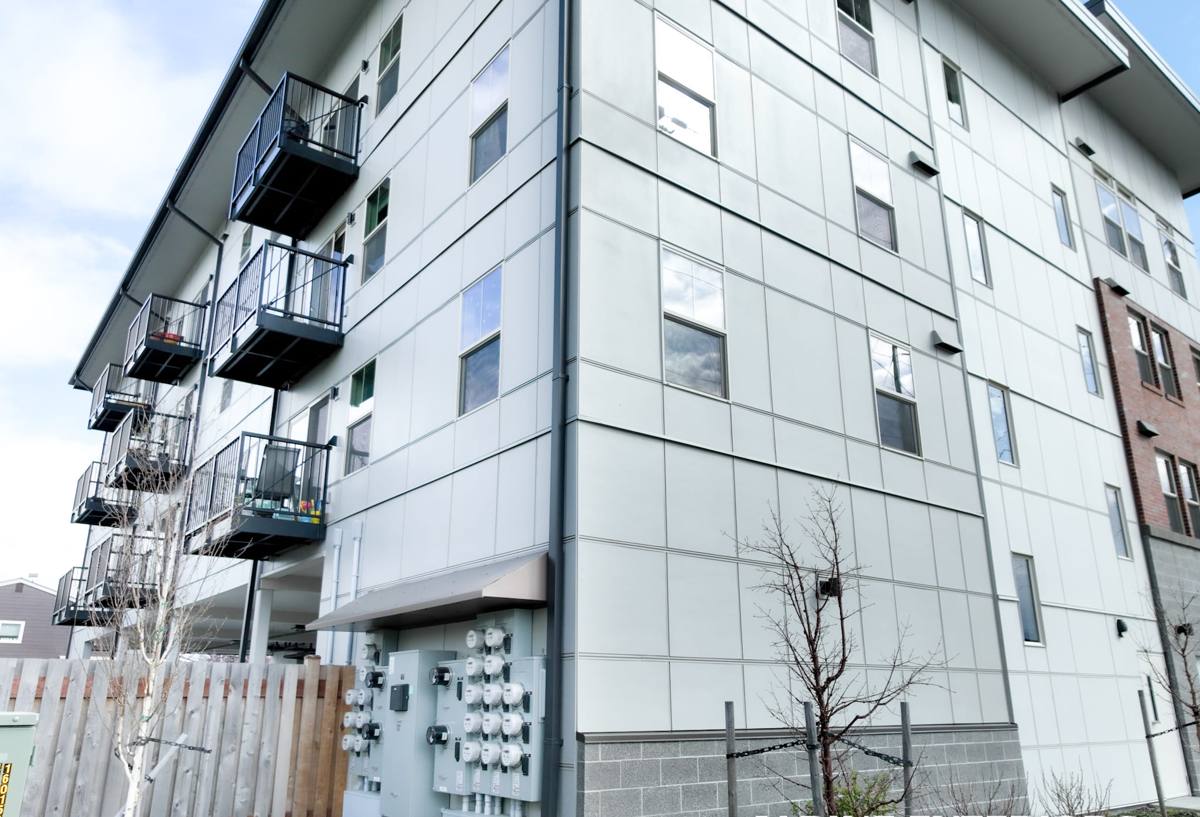
What Sedro-Woolley Homes Actually Need From Their Siding
Older Farmhouses and Established Neighborhoods
Sedro-Woolley has a good number of older homes, some with original wood siding, cedar shingles, or aging vinyl that's been patched over the years. These houses often have wall assemblies that were never built with a modern drainage plane in mind. When we re-side a home like this, the siding swap is also the one chance to correct decades of moisture mistakes hidden behind the old material — something that matters more here than the finish color does.
Newer Construction
Newer builds in and around Sedro-Woolley are more likely to already have a code-compliant weather-resistive barrier, but that doesn't mean the siding material installed on top of it was chosen with 40-plus years of Skagit County weather in mind. A lot of newer homes were built with vinyl or engineered wood siding chosen for upfront cost, not long-term performance in a wet valley climate.
Why Fiber Cement Holds Up Better Here Than the Alternatives
We install James Hardie fiber cement siding exclusively, and we don't install vinyl, LP SmartSide, Cemplank, Allura, primed spruce, or cedar. That's not a marketing position — it's a standard we've held to because of what we consistently see on homes in this climate. Vinyl expands and contracts with temperature swings and can warp or pull away from fasteners over time; engineered wood products are wood-based and depend heavily on perfect field sealing at every cut edge to keep moisture out; cedar looks great new but needs ongoing staining or sealing to survive our rain and moss cycle. Fiber cement doesn't rot, doesn't feed moss the way wood-based products can, and doesn't get brittle or warp the way vinyl does in temperature swings.
| Material | Moisture / rot resistance | Moss & algae resistance | Ongoing maintenance |
|---|---|---|---|
| James Hardie fiber cement | High — cement-based, does not rot | Good — factory finish resists organic growth better than raw wood | Occasional gentle wash; no repainting with ColorPlus finish |
| Vinyl | Moderate — doesn't rot but seams and gaps let moisture behind it | Moderate — moss grows readily in panel overlaps and J-channels | Low, but cracking and warping increase with age |
| Engineered wood (LP-type) | Moderate — vulnerable at cut edges and panel joints if not fully sealed | Moderate — wood-based core can support growth if moisture gets in | Regular caulk and edge-sealing inspection |
| Cedar / primed spruce | Low without diligent upkeep — wood, prone to rot and checking | Low — organic material, moss and algae take hold quickly | Periodic staining, sealing, and moss treatment |
James Hardie's HZ product lines are engineered for specific climate zones, and Pacific Northwest installations use the HZ5 formulation built for wetter, cooler regions like ours. Paired with the factory-applied ColorPlus finish, the siding arrives already color-matched and sealed, rather than depending on field-applied paint to hold up against Skagit County weather.
What a Correct Installation Actually Involves
The material only performs as well as the install behind it. On every Sedro-Woolley project, the details that matter most are the ones you won't see once the job is done:
The Drainage Plane and Rainscreen Gap
A proper weather-resistive barrier goes on first, with all seams and penetrations sealed. Behind the siding itself, a rainscreen gap lets any moisture that does get past the outer layer drain and dry rather than sitting against the sheathing — critical on shaded, slow-drying walls, which are common on tree-lined Sedro-Woolley lots.
Flashing at Every Transition
Windows, doors, decks, and roof-to-wall intersections are where water finds its way in. Flashing has to be installed and lapped correctly at every one of these points, not just caulked over — caulk is a backup, not a substitute for flashing.
Fastening and Joint Treatment to Manufacturer Spec
James Hardie publishes exact fastener spacing, nailing patterns, and joint-treatment requirements for each product line. Installing outside those specs doesn't just risk a worse-looking job — it can void the manufacturer's warranty, which defeats the point of choosing a premium material in the first place.
Common Installation Mistakes That Cause Early Failures
Most siding failures we're called out to inspect trace back to a handful of repeatable mistakes: face-nailing where blind-nailing was specified, missing or under-lapped flashing at window heads, caulk used to bridge a gap that needed flashing instead, and skipping the rainscreen gap to save labor time. None of these show up on day one — they show up two to five years later as staining, soft spots, or paint failure.
Our Process for a Sedro-Woolley Project
Every project starts with an on-site assessment, not a phone estimate. We look at what's currently on the walls, check for moisture damage or rot in the sheathing underneath, and evaluate how sun exposure and tree cover on the specific lot affect drying time. From there:
- Remove existing siding and inspect the sheathing and framing for hidden moisture damage
- Repair or replace any compromised sheathing before anything new goes up
- Install a code-compliant weather-resistive barrier and rainscreen system
- Flash all windows, doors, and penetrations before siding installation begins
- Install James Hardie siding to manufacturer fastening and joint specifications
- Finish trim, caulk only where caulk belongs, and complete a final walkthrough with the homeowner
That sequence doesn't change based on neighborhood, but the details we're watching for — how much shade a wall gets, how close tree canopy sits to the siding, how a low spot on the lot handles standing water — are specific to the site, which is why an on-site look matters more than a generic quote.
Living With Fiber Cement Through a Long Moss Season
Fiber cement doesn't eliminate moss and algae — nothing painted or clad in a wet valley climate is fully immune — but it makes the problem much easier to manage. A gentle wash once or twice a year, keeping gutters clear so water isn't sheeting down the wall, and trimming back vegetation that shades a wall year-round go a long way. Because the ColorPlus finish is baked on at the factory rather than field-applied, you're not also managing a repaint cycle on top of moss control, which is where a lot of wood and primed-siding homeowners end up spending real time and money over the years.
Why It Matters That Your Crew Already Works Sedro-Woolley
A contractor based in Anacortes who also regularly works Sedro-Woolley projects has already seen how the valley's tree cover, humidity, and drainage patterns differ from a waterfront lot in town. That matters for practical reasons too — permitting requirements and inspection processes can differ between jurisdictions in Skagit County, and a crew that's pulled permits and passed inspections in both places isn't learning the local process on your dime. It also means realistic scheduling and response times, since we're not treating a Sedro-Woolley job as a special trip from across the county.
What Drives the Cost of a Siding Installation
Every home is different, but the same handful of factors drive most of the cost variation we see on Sedro-Woolley projects: the condition of the sheathing once old siding comes off, the number of stories and roof lines that complicate flashing and access, how much trim and window detail the home has, and whether the existing siding needs to be fully removed or can be built over in limited cases. We'll walk through all of this on-site before giving you real numbers — broad, honest ranges rather than a lowball number that grows once the walls are open.
If you're weighing a siding replacement or new install in Sedro-Woolley, we're glad to come take a look and give you a straightforward, no-pressure estimate — what your walls actually need, what it'll cost, and why. Fill out the form below to get started.