 Anacortes Siding
 West Anacortes Siding Takes a Different Kind of Beating
Homes in West Anacortes sit close enough to open water that salt air is simply part of daily life. That salt air, combined with the wind-driven rain that rolls off the Salish Sea and a moss season that can stretch from fall through spring, puts steady pressure on exterior siding that homes further inland in Skagit County rarely deal with. Siding here doesn't just weather — it gets worked on from multiple directions at once, and the damage often shows up in specific, predictable places if you know where to look.
A siding repair in West Anacortes isn't the same job as a siding repair in a dry inland neighborhood. The materials, the moisture patterns, and the timeline for how quickly small problems turn into big ones are all different. That's the lens we bring to every repair call in this part of Anacortes.
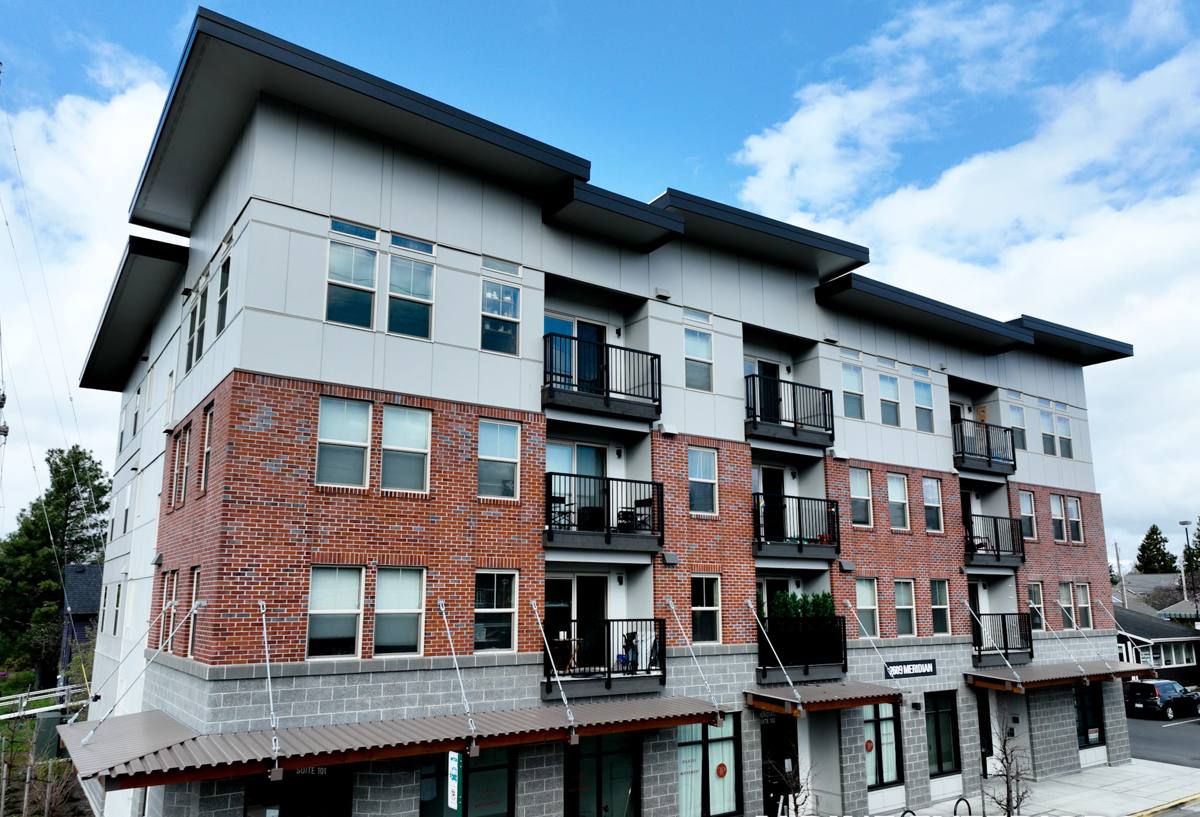
Common Siding Repair Issues We See in West Anacortes
Moisture and Rot at Trim and Butt Joints
The most frequent repair call we get in this neighborhood involves water intrusion at seams — where siding boards meet trim, where panels butt against each other, or around window and door openings. Wind-driven rain finds these gaps and pushes moisture in behind the siding rather than letting it simply run off the surface. Left alone, that trapped moisture leads to soft or rotted sheathing underneath, which is a bigger and more expensive problem than the siding itself.
Moss and Algae Growth
West Anacortes gets shaded, damp conditions on north- and west-facing walls for long stretches of the year, and that's exactly where moss and algae take hold. On its own, surface growth is mostly cosmetic. But moss that's allowed to build up holds moisture against the siding surface for weeks at a time, which accelerates paint and finish breakdown and can eventually contribute to the same seam and joint problems described above.
Impact and Wind Damage
Storm systems moving through the area bring gusts strong enough to snap branches, drive debris into exterior walls, and stress siding fasteners. A single cracked or dislodged board is usually a straightforward repair — but it's also an open door for water until it's fixed, so it shouldn't sit for long.
Failed Caulking and Sealant
Caulking is a wear item, not a permanent fix. Sun exposure, temperature swings, and constant damp cycles break down sealant faster near the water than they do inland. Cracked or shrunken caulk at joints and penetrations is one of the most common — and most overlooked — repair needs we find during inspections.
Repair vs. Replace: How We Make the Call
Not every siding problem calls for a full re-side, and we don't push a bigger job than a home actually needs. At the same time, some damage is a symptom of something larger. Here's roughly how we think through it:
| Factor | Repair Is Usually Enough | Replacement Should Be Considered |
|---|---|---|
| Extent of damage | Isolated to one or a few boards/panels | Spread across multiple walls or elevations |
| Underlying sheathing | Dry, solid to the touch | Soft, spongy, or visibly rotted |
| Age of existing siding | Still within its useful service life | Near or past its expected lifespan |
| Cause of damage | One-time event (impact, failed caulk) | Ongoing systemic moisture intrusion |
| Material match | Matching product/color still available | Discontinued line with no clean match |
When we can't tell just by looking, we pull a board or open a section to check the sheathing and house wrap underneath. That's the only way to know for certain whether a repair will actually hold.
What a Correct Siding Repair Involves
A siding repair is only as good as the inspection that precedes it. Rushing past the diagnosis is how homeowners end up paying for the same repair twice. Our approach follows the same sequence on every job:
- Inspect the damaged area and the surrounding siding, not just the obvious spot
- Check the condition of the water-resistive barrier and sheathing behind the damage
- Identify the root cause — is this a one-time event or a recurring moisture path?
- Remove only what needs to come out, preserving sound surrounding material
- Repair or replace flashing and building paper as needed before any new siding goes back on
- Install replacement material to the same fastening and clearance specifications as the original installation
- Reseal and finish so the repaired section sheds water the way the rest of the wall does
Skipping step two — checking what's behind the siding — is the single most common shortcut in this trade, and it's the reason "repaired" siding sometimes fails again within a year or two.
Why Repair Materials Matter
We install James Hardie fiber cement siding, and that has a direct effect on how repairs go for homes that already have it. Hardie's ColorPlus factory finish is manufactured to a consistent formulation, which makes it realistic to match new boards to existing siding without a visible patchwork look — something that's much harder to pull off with field-painted materials that have weathered unevenly over the years. Hardie's HZ5 product line is also engineered for the kind of wet, marine-influenced climate West Anacortes sits in, so a correctly matched repair isn't just cosmetic — it holds up the way the rest of the wall does.
For homes with other siding materials, repair is still possible, but the outcome depends heavily on what's already on the wall. Vinyl and older wood or composite products can be harder to match once they've faded or discontinued, and some materials are more sensitive to moisture once their protective layer is compromised. We'll always give you a straight answer about whether a repair on your existing siding will actually last — and where it doesn't make sense, we'll tell you that too, rather than patching something that's likely to fail again.
Our Process for West Anacortes Homeowners
- On-site inspection to assess damage, cause, and scope
- Written estimate that separates repair cost from any related work (flashing, trim, sealant)
- Scheduling that accounts for weather windows — repair work needs a reasonably dry stretch to do right
- Repair performed to match existing fastening, clearances, and finish
- Site cleanup and a final walk-through before we consider the job done
Because we work in this neighborhood regularly, we already have a sense of which streets sit in tougher wind exposure and which walls tend to hold moisture longest — that local knowledge shortens the diagnostic part of the visit.
Signs Your Siding May Need a Repair Call
- Soft or spongy spots when you press on a wall near the base or around windows
- Visible cracks, holes, or a board that's pulled away from the wall
- Persistent moss or dark staining on north- or west-facing siding
- Caulk that's cracked, shrunken, or missing at joints and trim
- Peeling or bubbling paint in one localized area rather than across the whole house
- A musty smell or discoloration on interior walls that back up to exterior siding
Any one of these on its own might be minor. Several showing up together, or in the same area, is usually a sign that moisture has been getting behind the siding for a while.
Preventing Repeat Repairs
Fixing the damage is only half the job — keeping it from coming back matters just as much in a climate like this one. A few habits go a long way for West Anacortes homes:
- Rinse moss and algae off siding surfaces before it builds up thick enough to hold moisture
- Keep gutters clear so overflow doesn't run down and pool against siding and trim
- Trim back vegetation that keeps walls shaded and damp longer than they need to be
- Have caulking and sealant checked every couple of years, not just when something looks obviously wrong
- Address small impact damage promptly instead of waiting for it to become a bigger repair
Why Hiring a Crew That Already Works West Anacortes Matters
Siding repair looks straightforward from the outside, but doing it correctly requires understanding how water actually moves through a wall assembly in this specific environment — not a generic one. A crew that regularly works in West Anacortes has already seen how salt air, wind direction, and moss patterns play out on homes in this part of Anacortes, and that experience shows up in fewer callbacks and repairs that actually hold through the next wet season.
If you're dealing with damaged, stained, or failing siding on your West Anacortes home, we're happy to take a look and give you an honest read on what it needs. Reach out for a free, no-pressure estimate using the form below.