 Anacortes Siding
 Windows Built for Edison's Exposure, Not a Showroom
Edison sits out on the open farmland of the Samish Flats, close enough to saltwater that the air itself works against your home's exterior every day. Windows here don't fail the way they do in a sheltered subdivision twenty miles inland. Between salt-laden wind, driving rain that comes in sideways off the flats, and a damp shoulder season that keeps moss and algae going strong for months, window installation in this part of Skagit County has to account for exposure most manufacturers never test for. A window that's rated fine for a catalog spec sheet can still fail here in a few years if it's installed without the right flashing and water management for this specific climate.
This page covers what window installation actually involves for homes in and around Edison — what the local conditions do to windows over time, what a correct installation looks like, and how our process is built around this area rather than a generic install checklist.
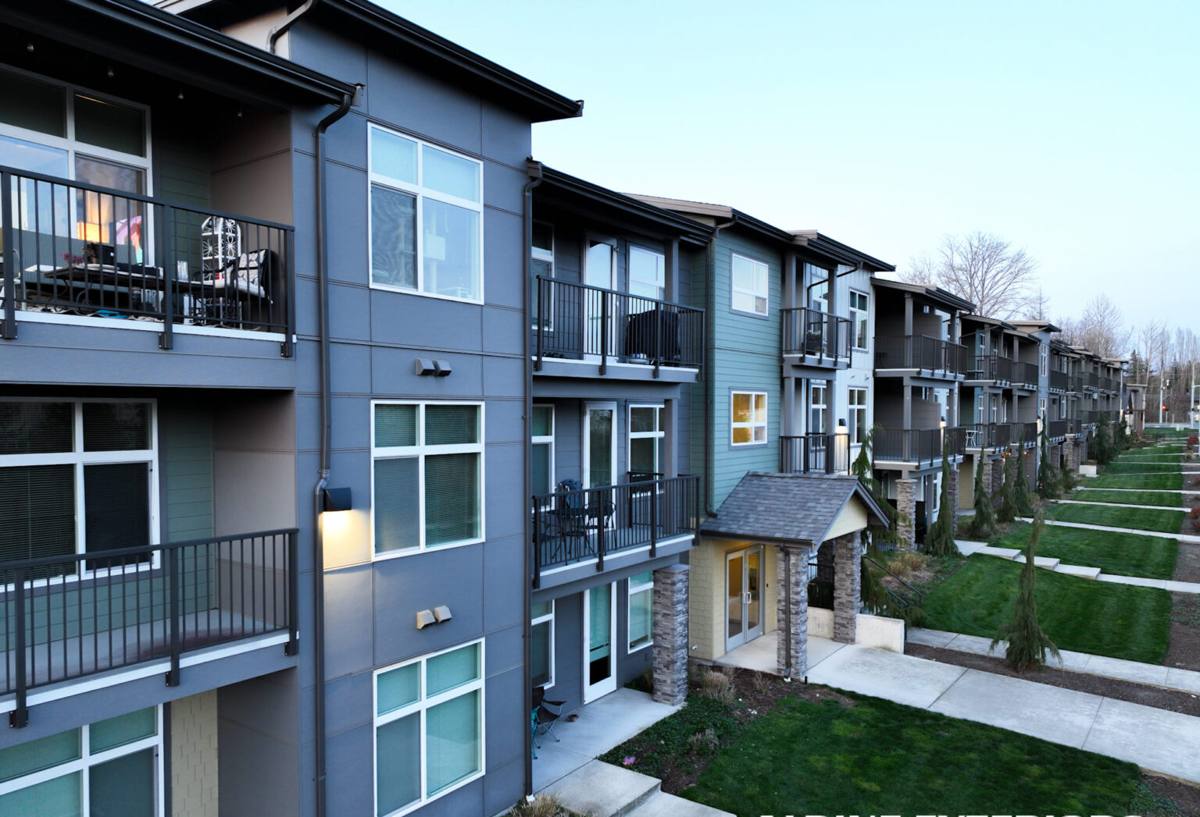
What Salt Air, Wind, and Rain Do to Windows Over Time
Salt Air and Metal Components
Salt in the air accelerates corrosion on anything metal — window hardware, screws, aluminum cladding, and older aluminum-frame windows themselves. Cranks, locks, and hinges that would last decades in a dry inland climate can start seizing up or pitting within a handful of years this close to the water. This is one reason we pay attention to hardware finish and frame material, not just glass, when we spec a window for an Edison home.
Wind-Driven Rain and Water Intrusion
Edison's open, flat exposure means rain doesn't just fall — it drives horizontally into the wall plane during a storm. A window that's merely caulked around the edges, without a proper sill pan and flashing sequence, will eventually let water behind the trim. Once that happens, the damage is usually inside the wall cavity for months before anyone notices a stain or soft spot on the interior. Wind-driven rain is the single biggest reason we see rot around window openings on older farmhouses out here.
Moss, Algae, and Shaded Sills
The long, wet shoulder seasons that keep moss thriving on roofs in this region do the same thing to window sills, trim, and the lower corners of frames — especially on the north and west sides of a house, or under eaves that don't get much sun. Moss and algae hold moisture against wood and paint far longer than plain rain does, which speeds up rot and finish failure on anything that isn't detailed to shed water and dry out quickly.
Signs an Edison Home Needs New Windows
Not every issue means full replacement, but these are the signs worth taking seriously in this climate:
- Soft, spongy, or discolored wood trim or sill around a window frame
- Visible gaps, drafts, or whistling around the sash during windy weather
- Fogging or moisture trapped between the panes of a double-pane window (a failed seal)
- Hardware that's stiff, corroded, or won't lock securely anymore
- Paint or finish that's bubbling, peeling, or staying damp long after a rain
- Moss or dark streaking building up on the sill or lower frame year after year
- Noticeably higher heating bills in an older single-pane or original farmhouse window
What a Correct Window Installation Involves
Window installation looks simple from the outside — pull the old one, set the new one, trim it out. The difference between a window that lasts and one that fails in five years is almost entirely in the steps nobody sees once the trim goes back on.
A correct installation on an exposed Edison property includes:
- Removing the old window and inspecting the rough opening for hidden rot or water damage before anything new goes in
- Repairing or rebuilding any damaged framing rather than installing over it
- Installing a sloped sill pan so any water that gets past the window drains back out, not into the wall
- Applying flashing tape in the correct shingle-lap sequence (bottom to top) so water always sheds downward and outward
- Setting the window level, plumb, and square, with proper shimming so the sash operates correctly for years, not just on install day
- Sealing and insulating the gap between the frame and rough opening without over-packing it, which can bow the frame
- Finishing with weather-resistant sealant and trim detailing that sheds water away from the opening
Skipping the sill pan or flashing sequence is the most common shortcut we see on prior installs when we're called out to fix rot around a window. It's invisible until the wood behind it isn't.
Full-Frame Replacement vs. Insert Replacement
There are two basic approaches to replacing an existing window, and the right choice depends on the condition of what's already there:
| Approach | What It Involves | Best For |
|---|---|---|
| Insert (pocket) replacement | New window fits inside the existing frame; original frame and trim stay in place | Frames that are still sound, dry, and square — faster, less disruption to siding and trim |
| Full-frame replacement | Old window and frame are removed down to the rough opening; new frame, flashing, and sill pan installed fresh | Any opening with rot, water damage, or an out-of-square frame — the only correct option if there's hidden damage |
On older Edison homes, we don't recommend an insert replacement sight unseen. Given how often wind-driven rain finds its way behind poorly flashed trim out here, we open the wall enough to actually check the framing before deciding which approach is appropriate.
Choosing Window Materials for Coastal Skagit County Conditions
Material choice matters more here than in a sheltered inland setting, because salt air and constant moisture are harder on some materials than others.
| Material | Salt Air / Moisture Behavior | Maintenance | Notes |
|---|---|---|---|
| Vinyl | Does not corrode or rot; handles salt air well | Low — occasional cleaning | Good value; frame flex can be a factor in larger sizes |
| Fiberglass | Very stable in moisture and temperature swings; strong resistance to corrosion | Low | Higher upfront cost, longer expected service life |
| Wood-clad | Cladding protects the exterior face, but any breach in the seal exposes wood beneath to rot | Moderate to high | Best where interior wood appearance matters; needs careful sealing in this climate |
| Bare aluminum frame | Prone to pitting and corrosion in salt air over time | Higher | We generally steer clients away from bare aluminum this close to the water — it's a maintenance burden here, not a defect of the product itself |
We don't push one material on every home. A vinyl or fiberglass window is usually the lower-maintenance, longer-term choice for a property exposed to Edison's wind and salt air, while wood-clad can still make sense on a home where matching an existing look matters more than minimizing upkeep. What matters most is that whatever material you choose is installed with the flashing and drainage details this climate requires — a good window with a bad installation will still fail early.
Our Process for Edison Window Installations
- On-site assessment — we look at each window opening, check for existing rot or water staining, and note sun/shade and wind exposure on each side of the house.
- Honest scope and estimate — you get a clear picture of which windows need full-frame replacement versus insert replacement, and why, before any work starts.
- Removal and opening inspection — old windows come out and we confirm the condition of the framing before installing anything new.
- Flashing, sill pan, and installation — proper water management sequence, correct shimming, and air-sealing around each new unit.
- Trim and finish — exterior trim and sealant detailed to shed water, not trap it against the frame.
- Final walkthrough — we check operation, locks, and seals on every window before calling the job done.
Energy Efficiency in Older Edison Farmhouses
Many homes around Edison are older farmhouses with original single-pane or early-generation double-pane windows. Beyond drafts and moisture problems, these windows are usually a significant source of heat loss through the cold, wet months typical of this part of Skagit County. Upgrading to a properly sealed, insulated glass unit — installed with correct air-sealing around the frame, not just new glass in an old opening — makes a noticeable difference in comfort near the windows and in heating costs over a full winter. It's worth factoring into the decision alongside water management and material choice, since the same installation work that stops rot is also what stops drafts.
Why a Crew That Already Works Edison Matters
Window installation done wrong doesn't usually show up as a problem on day one — it shows up two or three winters later as rot, a failed seal, or a window that won't close right anymore. A crew that regularly works homes on the Samish Flats already knows to check for hidden water damage before trusting an old opening, to detail flashing for wind-driven rain instead of a light drizzle, and to weigh material choices against real salt air exposure instead of a generic spec sheet. That local pattern recognition is the difference between a window installation that holds up here and one that needs to be redone.
If you're dealing with drafty, rotting, or fogged-up windows on an Edison property, we're glad to take a look and give you a straightforward, no-pressure estimate — just fill out the form below.