 Anacortes Siding
 Roofing in Bow: A Different Set of Conditions Than Inland Washington
Bow sits close enough to Samish Bay and the Skagit County shoreline that homes here deal with a roofing environment most inland contractors never have to think about. Salt-laden air, driving rain off the water, and a moss season that stretches for most of the year all put extra stress on a roof system. A roof installed with inland assumptions — standard fasteners, minimal ventilation planning, generic underlayment — tends to show its age faster out here. A roof installed with Bow's actual conditions in mind holds up the way it should.
This page covers what a correctly installed new roof looks like for a Bow property, why the details matter more here than they would twenty miles inland, and what our process looks like from first call to final inspection.
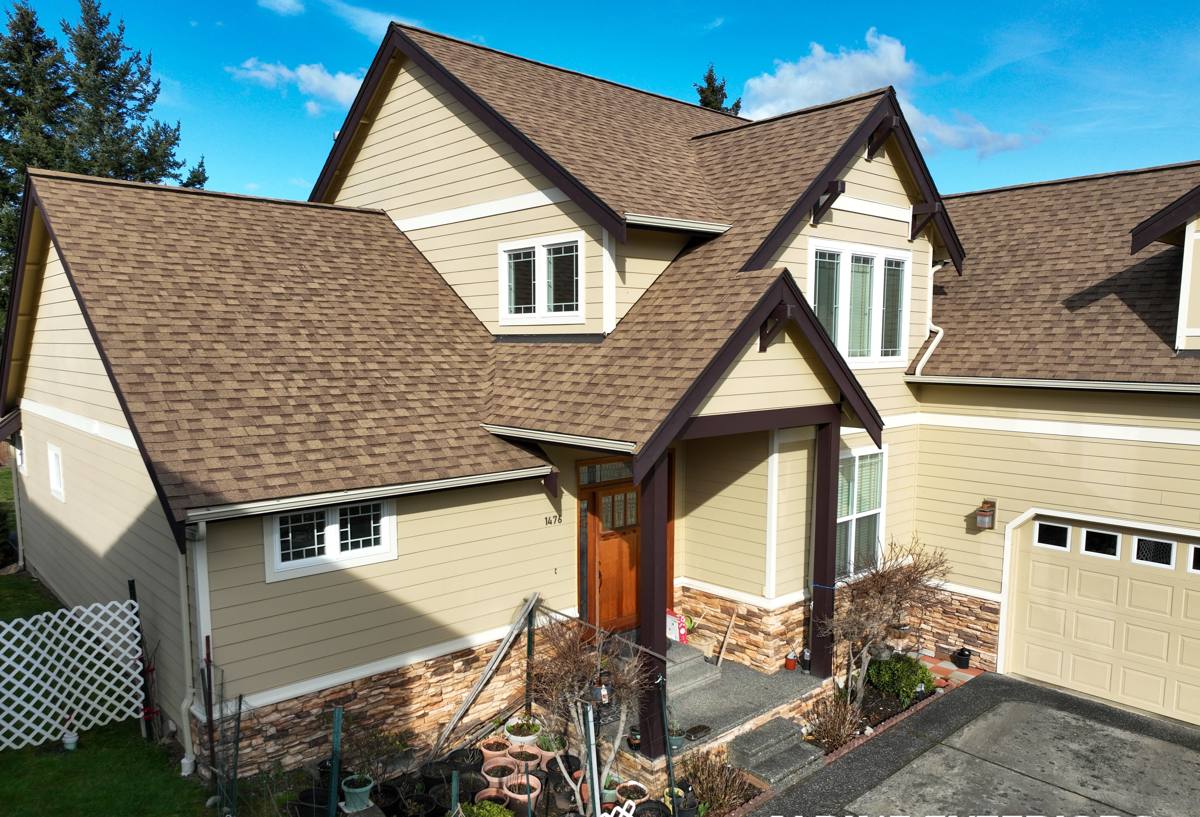
What Bow's Climate Actually Does to a Roof
Salt Air and Corrosion
Proximity to saltwater accelerates corrosion on anything metal — flashing, fasteners, drip edge, vents, and exposed screws. Standard galvanized components that would be fine in a dry inland climate can start showing rust streaks and pitting years earlier near the water. This isn't a defect in the product; it's a mismatch between the product and the environment it's installed in.
Driving Rain and Wind-Driven Moisture
Bow gets weather that doesn't just fall straight down — wind off the water pushes rain sideways and up under laps, edges, and flashing details that would stay dry in calmer conditions. That means underlayment coverage, flashing laps, and fastening patterns all need to account for wind-driven moisture, not just gravity.
Moss, Shade, and Slow-Drying Surfaces
The Pacific Northwest's long wet season combined with tree cover common around Skagit County properties means roofs here often stay damp longer between rain events. That's exactly the environment moss and moisture-loving growth prefer. Left unaddressed, moss holds water against roofing material, works into laps and seams, and shortens the service life of whatever's underneath it.
What a Correct New Roof Installation Involves
A new roof is more than laying material down in rows. The parts that actually determine how long a roof lasts in a coastal Skagit County climate are mostly things you can't see once the job is finished.
- Tear-off and deck inspection — old roofing removed down to the deck, with any soft, rotted, or water-damaged sheathing identified and replaced before anything new goes down.
- Underlayment selection and coverage — a synthetic or self-adhered underlayment appropriate for wind-driven rain, with full coverage and proper lap direction relative to prevailing weather.
- Ice and water barrier at vulnerable points — eaves, valleys, and roof penetrations get additional protection where water is most likely to back up or find a way in.
- Corrosion-appropriate flashing and fasteners — flashing, drip edge, and fastener choices suited to salt-air exposure rather than generic inland-grade hardware.
- Ventilation planning — balanced intake and exhaust airflow so the attic space doesn't trap moisture, which matters even more in a climate where the air itself carries a lot of humidity for much of the year.
- Field installation matching manufacturer specs — nail placement, exposure, and sealing details installed to the manufacturer's actual requirements, which is what keeps a warranty valid if something ever goes wrong.
Choosing Materials for a Coastal Skagit County Home
There's no single "best" roofing material for every home — the right choice depends on the home's exposure, roof pitch, budget, and how much long-term maintenance the homeowner wants to take on. What we do is walk through the honest trade-offs for a property specifically situated near the water, rather than giving a generic recommendation.
| Material | Salt Air / Moisture Behavior | Maintenance Consideration |
|---|---|---|
| Architectural asphalt shingle | Performs well with proper flashing and fastener choices; algae-resistant granules help with moss-prone shade | Moderate — periodic moss and debris clearing recommended |
| Standing seam metal | Sheds wind-driven rain efficiently; requires corrosion-rated fasteners and coatings near saltwater | Low — but panel and fastener quality matters more here than inland |
| Synthetic composite | Resists moisture absorption well; consistent performance in damp, shaded conditions | Low to moderate |
| Wood shake | Higher maintenance burden in a persistently damp climate; more susceptible to moss and moisture retention | High — not our default recommendation for shaded, coastal-influenced roofs |
We'll always explain why we're steering a homeowner toward or away from a given material for their specific roof — it comes down to how that material actually behaves under sustained moisture and salt exposure, not brand preference.
Ventilation: The Part Homeowners Rarely Ask About
Proper attic ventilation is one of the least visible parts of a roof job and one of the most important in a climate like this. Without balanced intake and exhaust airflow, moisture from inside the home gets trapped in the attic space, condenses against the roof deck, and creates conditions for rot and mold — separate from anything happening on the exterior surface. In a region where outdoor humidity is already high for much of the year, a poorly ventilated attic compounds the problem instead of giving the structure a chance to dry out. We evaluate existing ventilation as part of every new roof installation and correct it where it's inadequate, rather than just replacing the surface material and leaving an underlying problem in place.
Our Process for a Bow Roof Replacement
- On-site assessment — we inspect the existing roof, deck condition, ventilation, flashing points, and any signs of moss or moisture damage specific to the property's exposure.
- Honest scope and material discussion — we walk through material options and what they mean for this specific roof, in this specific location, including realistic maintenance expectations.
- Written estimate — a clear breakdown of scope, materials, and timeline before any work begins.
- Tear-off and deck repair — old roofing removed, deck inspected, and any damaged sheathing replaced.
- Installation — underlayment, flashing, ventilation, and roofing material installed to manufacturer specification, with attention to the wind and moisture exposure specific to a coastal Skagit County property.
- Final walkthrough — we review the completed work with the homeowner before considering the job done.
Why a Crew That Already Works in Bow Matters
A roofing crew that works Bow and the surrounding Anacortes and Skagit County area regularly knows the difference between a roof detail that works inland and one that actually holds up on a shoreline-influenced property. That's not a marketing point — it changes real decisions on the job, like how much ice and water barrier goes at the eaves, which fastener grade gets used, and how ventilation gets balanced for a home shaded by tall trees near the water. A crew showing up for the first time in this environment is often learning these lessons on the homeowner's roof. A local crew has already learned them.
There's also a practical side to hiring local: warranty service, follow-up inspections, and gutter or moss maintenance recommendations are easier to act on when the contractor isn't driving in from out of the area every time.
Signs a Bow Home May Need a New Roof Rather Than a Repair
- Granule loss heavy enough to see bare patches or significant buildup in gutters
- Soft spots or noticeable sagging when walking the roof or viewing it from a ladder
- Persistent moss growth that keeps returning after cleaning, especially in shaded sections
- Daylight visible through the roof deck from inside the attic
- Multiple past repairs in different areas rather than one isolated problem
- Roof age approaching or past the material's expected service life, combined with any of the above
Not every issue means a full replacement is the right call — sometimes targeted repair is the honest answer, and we'll tell you that if it's true.
Timing a Roof Project Around Bow's Weather
Roofing work can be done through most of the year in this region, but drier stretches make for cleaner tear-offs and better underlayment adhesion. We plan around realistic weather windows rather than rushing a job into a wet forecast, because a roof installed under compromised conditions is more likely to have problems down the line. Scheduling ahead, especially before the wetter months set in, gives us more flexibility to do the job right the first time.
If you're weighing a new roof for a Bow property, we're happy to take a look and give you a straightforward, no-pressure estimate — what your roof actually needs, what it would cost, and why. Fill out the form below to get started.