 Anacortes Siding
 Why Cap Sante Windows Take More Abuse Than Most
Cap Sante sits up on the bluff overlooking the marina and Guemes Channel, which is exactly why homeowners love it and exactly why the windows up there wear out faster than windows a few miles inland. Elevation and water exposure mean more direct wind-driven rain, more salt-laden air rolling off the water, and less shelter from the weather systems that move through Skagit County most of the year. A window that's rated fine for a subdivision in Mount Vernon can still underperform on a bluff lot in Anacortes, because the load on the glass, the frame, and especially the seals is just different.
Salt air is the part people underestimate. It doesn't just affect boats and railings — it works into window hardware, corrodes cheap fasteners, and speeds up the breakdown of weak weatherstripping and sealants. Combine that with the region's long wet season and near-constant humidity, and you get a slow, steady moisture problem that shows up as foggy double-pane glass, soft trim, or drafts that seem to come from nowhere. None of this is dramatic on its own, but it compounds year after year until a window that looked fine starts costing you money on every heating bill.
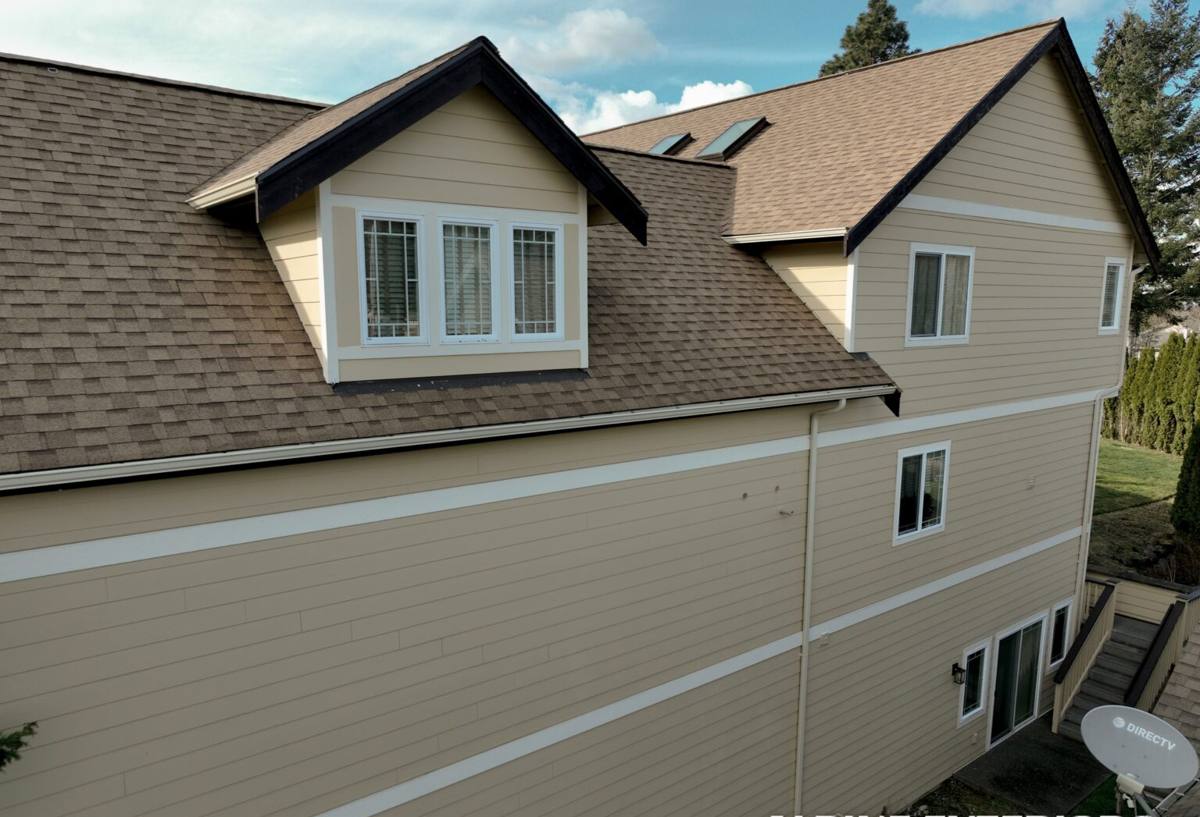
What "Energy-Efficient" Actually Means for a Marine Climate
Energy-efficient windows get marketed with a lot of numbers — U-factor, SHGC, visible transmittance — and most of that marketing is written for a national audience, not for a house on Fidalgo Island. In the Pacific Northwest marine climate, the priority isn't blocking summer heat gain the way it would be in a hot, sunny region. It's minimizing heat loss through a long, mild, wet, and often overcast heating season, while also managing condensation on the interior glass during cold snaps.
The Numbers That Actually Matter Here
- U-factor: the single most important number in our climate — lower means less heat escapes through the glass and frame during our long shoulder seasons.
- SHGC (solar heat gain coefficient): less critical here than in sunnier climates, but still worth balancing on south- and west-facing rooms that catch afternoon sun off the water.
- Air infiltration rating: arguably underrated — a window with a great U-factor but a sloppy installation will still leak air around the frame, which defeats the purpose.
- Condensation resistance: important for homes near the water, where indoor humidity and cold glass surfaces combine to fog windows and, over time, damage sills and trim.
A window package chosen for Cap Sante should lean toward a low U-factor, a moderate SHGC, and a frame system with a proven track record for air and water sealing — not just whatever has the flashiest energy sticker in the showroom.
Frame Materials: What Holds Up Near the Water
Frame material choice matters more here than it would inland, because salt air and constant moisture are hard on certain materials and hardware. We don't tell homeowners any one product is "bad" — every material has a legitimate place — but we do have a professional standard for what we recommend on exposed, waterfront-adjacent lots like Cap Sante.
| Frame Material | Salt Air / Moisture Behavior | Maintenance | Typical Fit for Cap Sante |
|---|---|---|---|
| Vinyl | Doesn't corrode; seams and welds are the weak point over time | Low | Good value option, works well on less-exposed elevations |
| Fiberglass | Excellent — dimensionally stable, resists moisture and salt exposure | Low | Strong choice for the most exposed, wind- and rain-facing walls |
| Wood-clad | Attractive, but exposed wood or damaged cladding is vulnerable to moisture intrusion | Moderate to high | Best reserved for sheltered elevations or homeowners committed to upkeep |
| Aluminum | Prone to corrosion and condensation without a thermal break; not our preference in this climate | Moderate | Limited use, mainly where a specific architectural look is required |
The honest trade-off: fiberglass and quality vinyl systems generally give Cap Sante homeowners the best balance of durability and cost. Wood-clad windows can look great, but they demand a homeowner who's going to stay on top of paint and caulking in a climate that never really dries out for long.
Signs a Cap Sante Home Needs Replacement Windows Now
Because of the added exposure up on the bluff, we tend to see certain warning signs show up earlier here than in more sheltered parts of Anacortes. Worth checking before winter storms roll in off the water.
- Fogging or moisture between the panes — the seal has failed and the insulating gas is gone.
- Visible gaps or daylight around the frame when the window is closed.
- Soft, discolored, or swelling wood at the sill or interior trim.
- Windows that are hard to open, close, or lock — often a sign the frame has shifted or corroded hardware is binding.
- A noticeable draft or cold spot near the window even with it fully closed.
- Moss or dark streaking on the exterior trim around the window opening — a sign water is sitting where it shouldn't.
- Rooms that are consistently harder to heat than the rest of the house.
The Moss Season Factor
Anacortes' long moss season isn't just a roof and siding issue — it affects window trim and sills too, especially on north- and shade-facing walls around Cap Sante where surfaces stay damp longer. Moss and algae growth around a window opening holds moisture against the trim and frame, and if the flashing or sealant underneath isn't doing its job, that moisture eventually finds its way behind the trim. Catching this early, before it reaches the framing, is one of the more common reasons Cap Sante homeowners call us before symptoms look serious.
How We Approach a Cap Sante Window Job
1. On-Site Assessment
We start by walking the exterior and interior of the home together, checking exposure on each elevation — which walls take the brunt of the wind and rain, which stay shaded and damp longer, and where existing windows are already showing wear. This shapes which frame materials and glass packages make sense room by room, rather than applying one blanket recommendation to the whole house.
2. Product Selection
We walk through U-factor, SHGC, and frame material trade-offs in plain terms, matching the window to the wall it's going in rather than upselling the same package everywhere. A window facing the water and prevailing weather doesn't need to match the spec of one on a sheltered side of the house — though for a consistent look, we'll talk through how to balance appearance with performance.
3. Removal and Prep
Old windows come out carefully, and we inspect the framing underneath before anything new goes in. This is the point where hidden moisture damage from a failed seal or old flashing gets found — and it needs to be dealt with before a new window goes in, not covered up.
4. Flashing and Sealing
This step matters more here than almost anywhere else in the process. Correct flashing integration with the house wrap or building paper, paired with proper sealant at every joint, is what actually keeps wind-driven rain out over the long run. A window is only as good as the flashing detail around it — this is where a lot of preventable leaks either get stopped or get built in.
5. Installation and Insulation
The new window gets set, shimmed level and square, and insulated around the perimeter — not overpacked, which can bow the frame, and not left with gaps, which defeats the insulation value. Interior and exterior trim gets reinstalled or replaced as needed.
6. Final Check and Cleanup
Every window gets tested for smooth operation and a tight seal before we consider the job done, and the site gets cleaned up — old windows and debris hauled off, not left for the homeowner to deal with.
Energy Savings and Utility Programs
New, properly installed energy-efficient windows reduce heat loss through the wall opening and cut down on the drafts that make a furnace or heat pump work harder than it should. In a climate like Skagit County's, where the heating season runs long and mild rather than short and extreme, the bigger win is often comfort and consistency room-to-room rather than a dramatic single-season utility bill drop — though most homeowners do see a real reduction over time.
Local electric utilities periodically offer rebates or incentives for qualifying energy-efficient upgrades, including windows in some cases. Programs and qualifying criteria change, so we'd rather point you toward checking directly with your utility provider at the time of your project than quote a rebate figure that may no longer be accurate.
Maintenance for the Long Haul
Even the best window on the market needs some upkeep in a salt-air, high-rainfall environment. A little routine attention goes a long way toward getting the full lifespan out of a window investment.
- Rinse exterior frames periodically, especially on wind- and water-facing elevations, to reduce salt buildup on hardware and finishes.
- Check and clean weep holes on vinyl and fiberglass frames so water can drain instead of pooling.
- Inspect exterior caulking annually and re-seal any cracked or shrunken joints before the wet season sets in.
- Keep moss and organic debris cleared from trim and sills, particularly on shaded sides of the house.
- Test locks and operating hardware seasonally — sticking or stiff hardware is often the first sign of a problem worth checking.
Why Local Experience on Cap Sante Actually Matters
A window crew that's already worked on homes in this specific part of Anacortes isn't guessing about wind exposure, moss patterns, or how a house on the bluff behaves differently than one a mile inland — they've seen it, elevation by elevation, on real jobs nearby. That experience shows up in smaller decisions that add up: which side of a house to prioritize first, which flashing detail to double-check, and which frame material trade-offs are worth explaining before a homeowner picks a product. It also means fewer surprises during permitting or coordination with the specifics of building in Skagit County, since the process here isn't identical to other parts of Washington.
None of this replaces a good product or a careful installation — but paired with both, it's the difference between windows that perform as advertised and windows that quietly underperform for reasons nobody diagnoses until the next storm season.
Get a Straightforward Estimate
If your Cap Sante home has windows that are drafty, foggy, hard to operate, or just past their useful life, we're happy to take a look and give you an honest read on what's going on and what it would take to fix it. There's no pressure and no obligation — just a straightforward conversation and a written estimate you can think over. Use the form below to request your free estimate.