 Anacortes Siding
 Roofing for a Corner of Skagit County That Doesn't Get a Break From the Weather
Edison sits low, close to the water, and squarely in the path of whatever comes off Samish Bay and the surrounding tidal flats and farmland. That combination of salt-laden air, near-constant marine moisture, and shade from mature trees on many older lots means asphalt shingle roofs here work harder than they do a few miles inland. A shingle system that's correctly specified and installed for this kind of exposure can go the distance. One that isn't — even a name-brand product installed by a crew unfamiliar with coastal Skagit County conditions — tends to show problems years before it should.
This page covers what an asphalt shingle roof actually needs to hold up on an Edison home, what our installation process looks like, and what to check before you hire anyone to do the work.
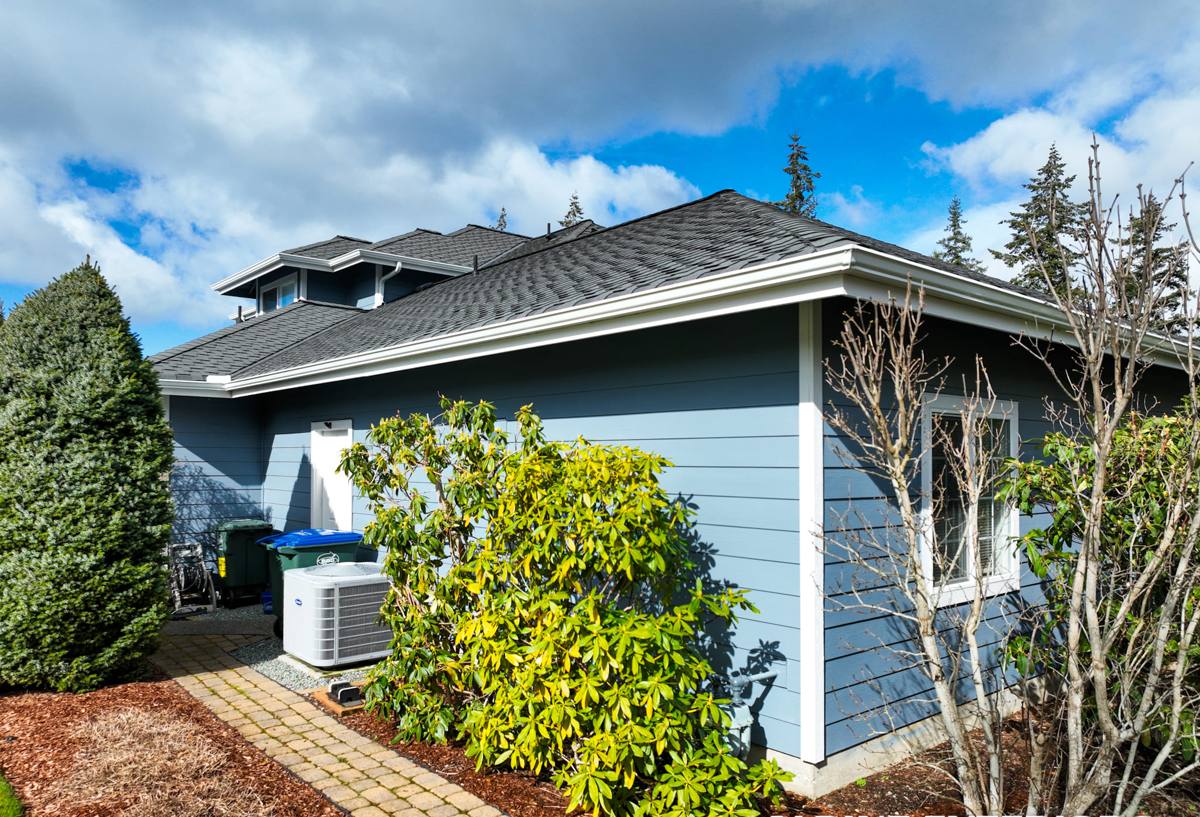
What Edison's Climate Does to a Roof Over Time
Salt Air and Fasteners
Proximity to the bay means airborne salt settles on every exterior surface, roofs included. Over years, that accelerates corrosion on unprotected metal — nails, flashing, vent housings — long before the shingles themselves wear out. A roof that skimps on corrosion-resistant fasteners and flashing is setting up a second, avoidable failure point.
Driving Rain and Wind-Driven Water
Storms coming off the water don't always fall straight down. Wind-driven rain gets pushed sideways under shingle tabs, into valleys, and around penetrations like vent pipes and chimneys. Standard nailing patterns and generic underlayment choices that work fine in calmer, drier climates can leave gaps here that only show up as a leak months or years later.
Moss Season
Western Washington's long wet season, combined with shade from evergreens and shorter winter daylight, gives moss and algae a long runway to establish on north-facing slopes and shaded valleys. Left unchecked, moss lifts shingle edges, holds moisture against the roof deck, and shortens the life of an otherwise sound roof. Moss prevention isn't cosmetic — it's a structural consideration.
What a Correctly Built Shingle Roof Needs Here
A roof built for Edison's conditions isn't just "shingles nailed to plywood." Several layers work together, and skipping or downgrading any one of them is where premature failures start.
- Algae-resistant shingles — copper- or zinc-infused granules that actively resist the algae and moss growth this climate encourages.
- Synthetic underlayment — a water-resistant secondary barrier that outperforms old-style felt in wet, humid conditions and doesn't degrade as quickly under repeated moisture cycling.
- Ice-and-water shield at vulnerable points — valleys, eaves, and roof-to-wall transitions get a self-adhering waterproof membrane, not just underlayment, because that's where wind-driven rain finds its way in.
- Corrosion-resistant flashing and fasteners — chosen with the salt air in mind, not generic hardware picked for cost alone.
- Balanced attic ventilation — intake at the eaves and exhaust at the ridge, sized to the attic volume, so moisture doesn't get trapped under the deck.
Signs an Edison Roof Needs Attention
Most shingle roofs don't fail all at once — they show warning signs first. Homeowners in this area should watch for:
- Dark streaking or green-black patches, especially on north-facing slopes — early algae or moss growth.
- Granules collecting in gutters or at downspout outlets, a sign shingles are wearing faster than expected.
- Curling, cupping, or lifted shingle edges, which give wind-driven rain a place to get underneath.
- Soft spots or discoloration on interior ceilings near exterior walls, often the first visible sign of a slow leak.
- Visible moss buildup along ridges or in valleys, which holds moisture against the deck even between storms.
Catching these early is almost always cheaper than waiting for an active leak to show up inside the house.
Our Asphalt Shingle Roofing Process
Every project follows the same sequence, whether it's a full tear-off or a targeted repair. Skipping steps is how corners-cut roofs end up leaking within a few seasons.
| Step | What We Do | Why It Matters Here |
|---|---|---|
| Inspection | Check the deck, existing ventilation, flashing condition, and moss/algae history before quoting anything | Hidden deck damage or bad ventilation will undermine a new roof if it's not addressed first |
| Tear-off | Full removal of old roofing down to the deck, not a layover | Layering over old shingles traps moisture and voids most manufacturer warranties |
| Deck repair | Replace any soft, rotted, or delaminated sheathing found underneath | Coastal moisture exposure often causes deck issues that aren't visible from the surface |
| Underlayment and ice-and-water shield | Install synthetic underlayment field-wide, with membrane at eaves, valleys, and penetrations | This is the actual waterproofing layer — shingles are the wear surface on top of it |
| Flashing | New corrosion-resistant flashing at all valleys, walls, chimneys, and vents | Reused or generic flashing is a common source of slow leaks near the water |
| Shingle installation | Manufacturer-specified nailing pattern and exposure, algae-resistant shingle line | Correct fastening is what keeps shingles in place through coastal wind events |
| Ventilation check | Confirm balanced intake and exhaust airflow, correcting if undersized | Poor ventilation shortens shingle life and encourages moss regardless of shingle quality |
| Final walkthrough | Site cleanup, magnetic sweep for stray nails, and a walk-through of the finished roof | Straightforward, but it's where sloppy crews cut corners |
Choosing a Shingle for a Bay-Adjacent Lot
Not every shingle line is worth the same money in this climate. The table below is a general guide to how the common tiers compare for a home exposed to salt air and shade.
| Shingle Tier | Typical Lifespan | Algae Resistance | Best Fit |
|---|---|---|---|
| 3-tab / economy | 15–20 years | Limited or none | Budget-driven projects; expect earlier moss maintenance |
| Standard architectural | 25–30 years | Usually includes algae-resistant granules | Most Edison homes — solid balance of cost and durability |
| Premium/designer architectural | 30–50 years (varies by product) | Enhanced algae resistance, heavier wind rating | Shaded, north-facing, or highly exposed roofs where longevity matters most |
We'll walk through actual product options and warranty terms during your estimate rather than push a single line — the right choice depends on your roof's exposure, slope, and how long you plan to be in the home.
Color and Heat Considerations
Darker shingles absorb more heat and can show algae streaking more visibly in some cases, while lighter colors show granule loss more readily. Neither is a dealbreaker, but it's worth discussing given how much shade and moisture your specific roof gets.
Ventilation and Moss Prevention Aren't Optional Extras
A huge share of "premature" shingle failures in this part of Skagit County trace back to attic ventilation, not the shingles themselves. Warm, moist air trapped in an attic condenses against the underside of the deck, which degrades the roof from below while moss works on it from above. Before we finish any project, we check that intake and exhaust venting are actually balanced — not just present — and correct it if the existing setup is undersized or blocked.
For moss specifically, zinc or copper strips near the ridge can provide ongoing suppression on shaded roofs, and we'll flag that as an option where the site conditions call for it.
Maintenance That Actually Extends Roof Life Here
A well-installed roof still needs basic upkeep in this climate. This is the same checklist we give clients after a project wraps up:
- Clear gutters and downspouts at least twice a year — clogged gutters back water up under the shingle edge.
- Have moss and debris removed from valleys and shaded slopes before it builds up, not after it's visibly thick.
- Trim back overhanging branches to cut down on shade, debris, and moisture retention on the roof surface.
- Schedule a walk-on inspection after any major windstorm to check for lifted or missing shingles.
- Address small leaks or missing shingles immediately — a small repair now is far cheaper than deck replacement later.
Why a Crew That Already Works This Area Matters
A roofing crew that mainly works drier, inland areas can install a technically correct roof and still get the details wrong for a bay-adjacent property — under-specifying ventilation, skipping ice-and-water shield in spots that don't need it inland, or picking flashing that isn't built for salt exposure. Working regularly in Anacortes and the surrounding Skagit County communities, including Edison, means those decisions aren't guesswork. We know which roof lines in this area fight moss every year, which ones catch the worst of the wind off the water, and where a little extra attention during install pays off for decades instead of years.
Warranty and Materials
Manufacturer warranties on asphalt shingles typically cover material defects, with the strongest coverage tied to certified installation and full-system components (matching underlayment, starter strip, and ridge cap from the same product line). We'll go over exactly what's covered, what voids it, and what our own workmanship coverage looks like as part of your estimate — no surprises after the fact.
If your Edison home's roof is showing moss, granule loss, or you're just due for a straight assessment of what it needs, we're happy to take a look. Reach out for a free, no-pressure estimate — the form below gets you started.