 Anacortes Siding
 Windows Built for Fidalgo Island's Marine Climate
Fidalgo Island sits right where Puget Sound weather meets the open water, and that location shapes everything about how windows perform here. Salt-laden air off the water works into weep holes, hardware, and unsealed frame joints. Wind-driven rain doesn't just fall on Fidalgo Island homes, it gets pushed sideways into gaps that would stay dry in a more sheltered part of Skagit County. And the long stretch of damp, low-light months every year gives moss and algae plenty of time to take hold on sills, tracks, and anywhere else moisture sits instead of draining.
Windows that were fine when a house was built 20 or 30 years ago often aren't fine anymore. Seals fail, frames warp, and single-pane or early dual-pane glass simply wasn't built for the energy costs or comfort expectations homeowners have today. When we talk about "energy-efficient windows" for a Fidalgo Island home, we're not just talking about a label on a sticker — we're talking about a window system that's specified, installed, and sealed correctly for this exact climate.
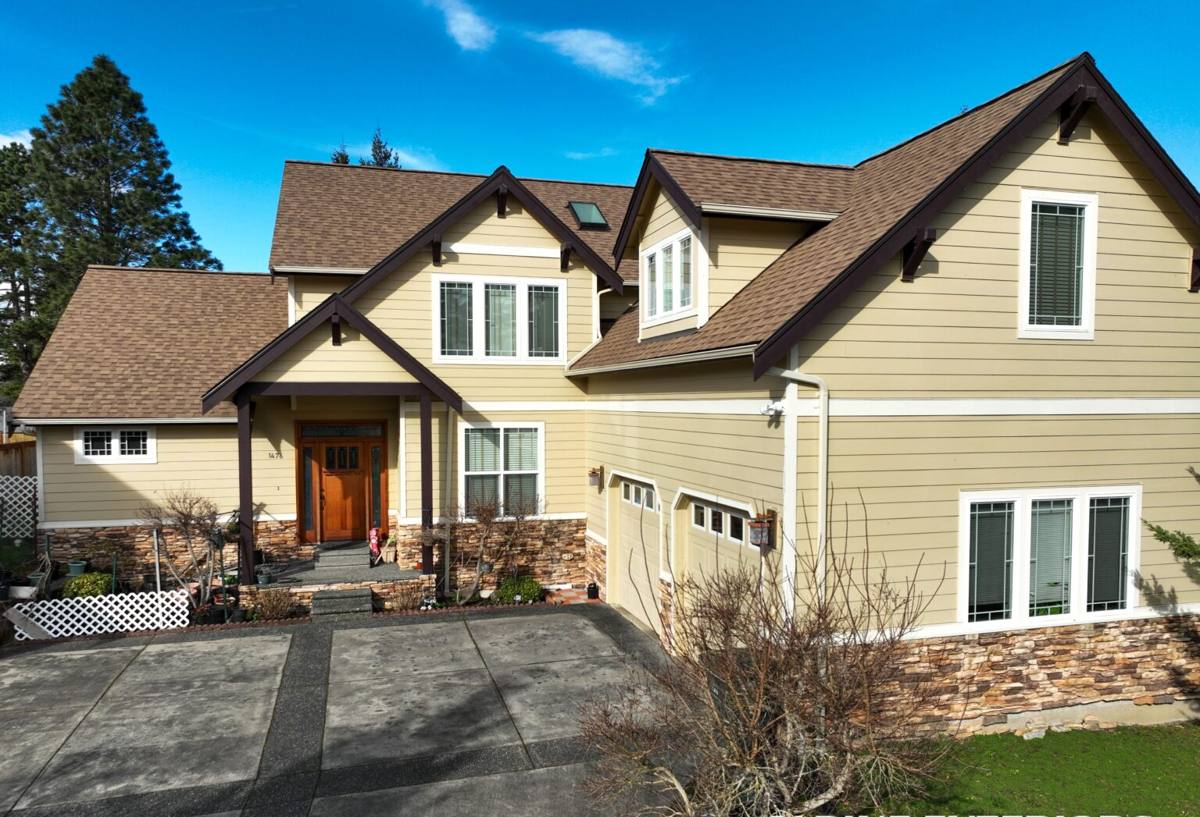
What Energy-Efficient Actually Means for a Window
A lot of window marketing leans on the phrase "energy efficient" without explaining what it means in practice. For a homeowner comparing options, three things actually matter:
- Glass package — the number of panes, the gas fill between them (typically argon), and whether the glass has a Low-E (low-emissivity) coating that reflects heat while still letting in visible light.
- Frame material and construction — how well the frame itself resists heat transfer, and how the frame holds up to moisture and temperature swings over time without warping or letting air infiltrate.
- Installation quality — even the best window on paper will underperform if it isn't flashed, insulated, and sealed correctly against the rough opening. This is where most of the real-world energy loss actually happens, and it's the part a homeowner can't judge from a spec sheet.
In a marine climate like ours, that third point carries more weight than it does in drier parts of the country. A window that's rated well but installed with a poor air seal will still let cold, damp air infiltrate around the frame — which shows up as drafts, cold spots near the glass, and higher heating bills through the winter.
Low-E Glass in a Cloudy Climate
Some homeowners assume Low-E coatings only matter in sunny climates where the goal is blocking heat gain. In the Pacific Northwest, Low-E glass works the other direction too — it helps hold indoor heat inside during our long cool season, which is the bigger comfort and cost issue for most Anacortes and Fidalgo Island households. The right coating and gas-fill combination depends on the home's orientation, how much direct sun it gets, and the rest of the glass package, which is something worth discussing room by room rather than assuming one spec fits the whole house.
Signs Your Current Windows Are Working Against You
Homeowners often live with underperforming windows for years before addressing them, partly because the signs show up gradually. Common ones we see on Fidalgo Island homes include:
- Condensation or fogging between the panes of a dual-pane window — a sign the seal has failed and the gas fill is gone
- Visible or felt drafts around the frame, especially during wind-driven rain off the water
- Sills or tracks that stay damp long after a storm passes, encouraging moss, algae, or wood rot
- Frames that no longer open, close, or lock smoothly due to warping or swelling
- Noticeably higher heating costs compared to homes of a similar size nearby
- Paint or finish that's peeling or discoloring specifically around the window frame, often a sign moisture is getting behind the trim
Any one of these on its own isn't necessarily an emergency, but a window showing two or three of these signs is usually past the point where caulking or minor repairs will fix it.
Frame Materials: What Holds Up in a Salt-Air, High-Rain Climate
Frame material matters more here than in drier inland areas, because it has to stand up to years of moisture cycling and occasional salt exposure without warping, corroding, or trapping water. Here's how the common options generally compare for Fidalgo Island conditions:
| Frame Material | How It Handles Our Climate | Maintenance | Where It Fits Best |
|---|---|---|---|
| Vinyl | Resists moisture and won't corrode from salt air; performs consistently across our temperature range | Low — no painting, occasional cleaning | Most common choice for full replacements on Fidalgo Island homes |
| Fiberglass | Very stable through temperature and moisture swings, minimal expansion/contraction | Low | Larger openings or homes where long-term dimensional stability matters most |
| Wood-clad | Exterior cladding protects the wood, but any breach in the cladding or seal exposes wood to our damp season | Moderate to higher — cladding and seals need periodic inspection | Homes prioritizing a specific interior wood look, where upkeep is accepted |
| Aluminum | Durable but conducts heat and cold readily unless thermally broken; can be prone to condensation | Low, but efficiency depends heavily on thermal-break design | Specific architectural applications rather than general residential replacement |
We don't push one material on every job. The right call depends on the home's exposure to weather off the water, the existing construction, and what the homeowner wants to maintain over time. What we do avoid are frame and glass combinations that look fine at installation but have a track record of trapping moisture or requiring maintenance most homeowners don't want to keep up with — that's a judgment we'll walk through honestly rather than defaulting to whatever's cheapest to install.
What a Correct Installation Actually Involves
The window unit itself is maybe half the job. The other half is how it's integrated into the wall, and that's where wind-driven rain either gets stopped or gets in. Our process on Fidalgo Island homes includes:
1. Assessing the Opening, Not Just the Window
Before ordering anything, we check the condition of the rough opening — the framing, any existing water damage, and the state of the sill. A window can't be sealed correctly against a sill that's already compromised.
2. Removing Old Units Without Damaging What's Around Them
Old caulk, trim, and flashing get removed carefully so we can see what condition the wall assembly is actually in before covering it back up.
3. Flashing and Weather Barrier Detail
This is the step that matters most in a high-rain climate. Proper flashing — sill pan, side flashing, and head flashing, integrated correctly with the house's weather-resistive barrier — is what actually keeps wind-driven rain from working its way behind the window over time. Skipping or shortcutting this step is the single biggest cause of hidden water damage we see behind newer-looking windows.
4. Setting, Shimming, and Insulating the Unit
The window gets set level and square, shimmed correctly so it isn't relying on the frame alone for support, and the gap between the window and the rough opening is insulated — not just stuffed with excess spray foam, which can bow the frame and cause it to bind.
5. Exterior Sealing and Trim
Sealant goes where it needs to go, not everywhere as a substitute for proper flashing. Trim is reinstalled or replaced so water sheds away from the opening instead of pooling against it.
6. Final Function and Seal Check
Every window gets operated, checked for square, and inspected for a clean seal before we call the job done.
What Drives the Cost of a Window Project
Every home and project is different, so we'd rather walk a homeowner through their specific factors than quote a number that doesn't apply. In general, these are the variables that move the price:
| Factor | Why It Matters |
|---|---|
| Frame material and glass package | Vinyl, fiberglass, and wood-clad options carry different material costs, as do double vs. triple-pane and specialty glass coatings |
| Number and size of openings | Larger or custom-sized windows cost more to manufacture and install than standard sizes |
| Condition of the existing opening | Hidden rot or water damage found once old windows are removed adds repair scope before a new unit can go in |
| Access and building height | Second-story or hard-to-access windows take more time and sometimes equipment |
| Full-frame vs. insert replacement | Replacing down to the framing costs more than an insert into an existing, sound frame — but is sometimes the only correct option |
| Trim, siding, and finish work | Matching existing trim or siding around a new window can add labor and material beyond the window itself |
We'll always tell you honestly if a lower-cost option (like an insert replacement) is appropriate for your home, or if the existing opening's condition means it isn't — that's a judgment call best made after we've actually looked at the window, not before.
Why a Crew That Already Works Fidalgo Island Matters
A window installer who mostly works drier, more sheltered parts of the region won't necessarily think about flashing details, sill drainage, or frame material the same way a crew that works this specific coastline does. Fidalgo Island homes face a combination of salt exposure, wind-driven rain, and a long damp season that doesn't show up the same way even a few miles inland. A crew familiar with these conditions knows which details can't be skipped, has already seen what happens when they are, and can spot a compromised sill or hidden moisture issue before it becomes a bigger repair.
Familiarity with Anacortes and the surrounding Skagit County building environment also means fewer surprises with permitting and inspection expectations, since requirements can vary by jurisdiction and by the scope of the work.
Keeping New Windows Performing Over Time
Even a correctly installed, energy-efficient window benefits from basic upkeep in this climate. A simple seasonal routine goes a long way:
- Clear debris and moss buildup from sills and tracks so water can drain instead of sitting
- Rinse salt residue off exterior frames periodically, especially on sides of the home facing open water
- Check that weep holes (the small drainage openings in the bottom of the frame) aren't blocked by dirt or moss
- Inspect exterior caulking annually and have any cracked or separated sealant addressed before the rainy season
- Operate every window at least a few times a year so hardware doesn't seize up from disuse
- Watch for condensation between panes, which signals a failed seal rather than something that will resolve on its own
None of this takes much time, but skipping it is how moss and moisture get a foothold that shortens the life of even a good window.
Get a Straightforward Estimate
If your windows are drafty, fogged, hard to operate, or just original to a home that's due for an upgrade, we're happy to take a look and give you a straightforward read on what's going on and what it would take to fix it. There's no pressure and no obligation — just an honest assessment from a crew that works Fidalgo Island homes regularly. Fill out the form below to request your free estimate.