 Anacortes Siding
 La Conner's Roofs Work Harder Than Most
La Conner sits right where the fresh water of the Skagit River meets Puget Sound, which means homes here take on a mix of weather that inland Skagit County properties simply don't deal with. Salt-laden air off the water accelerates corrosion on any exposed metal — flashing, fasteners, gutter hardware, even the metal components inside some shingle systems. Add in driving rain that comes sideways off the water during winter storms, and you've got wind-driven moisture finding its way into laps, seams, and fastener penetrations that would stay dry on a calmer inland roof.
Then there's moss. The long, wet Pacific Northwest fall-through-spring stretch gives moss and algae months to establish themselves on any roof that doesn't get consistent sun, and La Conner's tree cover and marine humidity make that season even longer. Moss isn't just cosmetic — it holds moisture against roofing material, works its way under shingle tabs, and lifts edges just enough to let water in behind the surface. A roof that looks "mostly fine" from the ground can already have moss doing quiet damage underneath.
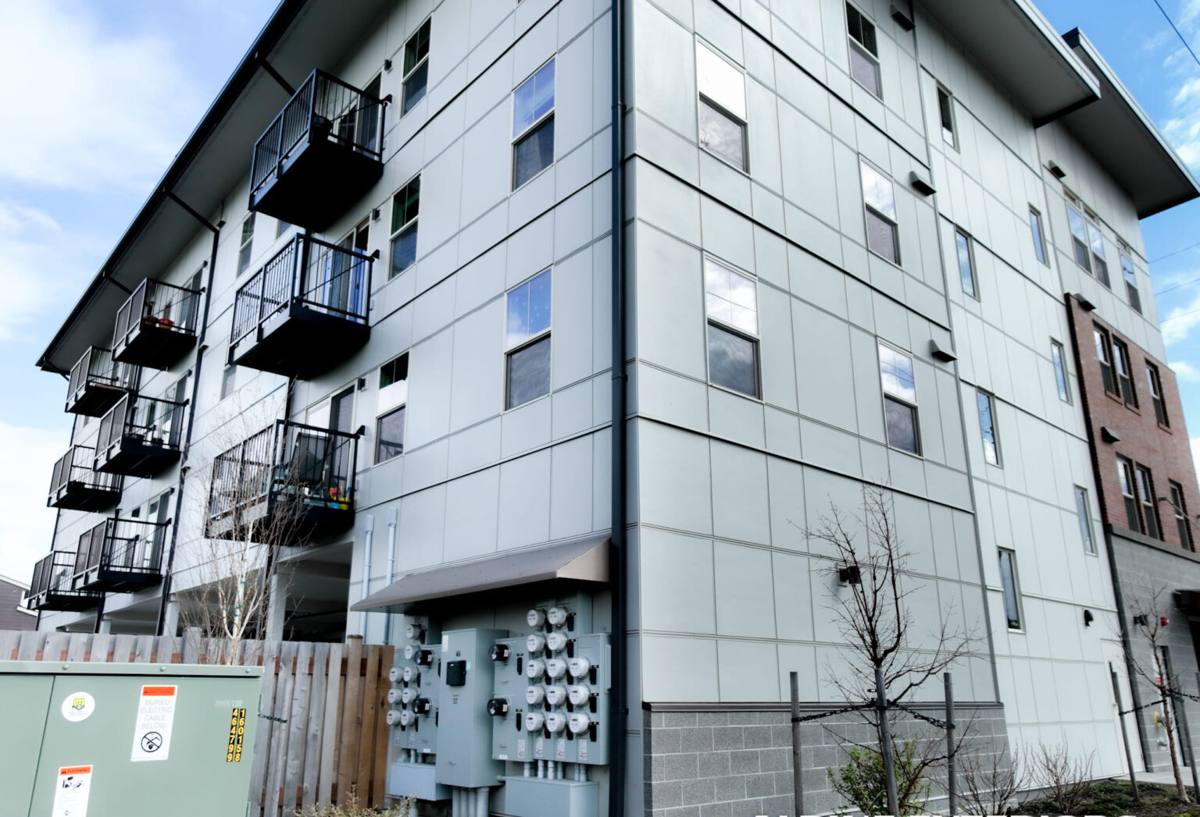
Common Roof Repair Calls We See in This Area
Most of the repair work we do in La Conner falls into a handful of recurring categories. None of these are exotic — they're just what happens when a roof spends years exposed to salt air and heavy rain without regular attention.
- Flashing that's corroded or pulled loose around chimneys, skylights, and roof-to-wall transitions
- Shingle or shake damage from wind uplift during winter storms
- Moss and algae growth causing shingle lifting and granule loss
- Clogged or damaged gutters backing water up under the roof edge
- Soft or discolored decking found after a leak has been active for a while
- Nail pops and sealant failure around penetrations (vents, pipe boots, satellite mounts)
- Valley wear where water volume concentrates during heavy rain events
Pipe boots and rubber seals deserve a specific mention — they're one of the most common failure points on any roof in this climate, and they're often overlooked because they're small. UV exposure and temperature swings crack the rubber over a handful of years, and a cracked boot lets water in every single time it rains, even on a roof that's otherwise in good shape.
What an Honest Roof Repair Actually Involves
A real roof repair starts with figuring out where water is actually getting in, not just where it's showing up inside the house. Water travels — a stain on a bedroom ceiling can trace back to a flashing failure several feet away, following a rafter or piece of decking before it drips down. That's why we don't quote repairs off a photo or a phone description alone.
What we check during an assessment
- The roofing material itself — cracked, curled, or missing shingles/shakes
- All flashing points: chimneys, skylights, sidewalls, valleys, and roof penetrations
- Underlayment condition where it's exposed or accessible
- Decking for soft spots, staining, or delamination
- Gutter and downspout function, since backed-up water is a leading cause of edge rot
- Ventilation, since poor attic airflow speeds up moisture damage from the inside out
We'll tell you plainly if a "repair" is really a stopgap on a roof that's near the end of its service life. That's not us upselling — a patched roof with three years left doesn't need the same conversation as a patched roof with fifteen years left, and pretending otherwise wastes your money either direction.
Our Repair Process, Start to Finish
1. Assessment and honest diagnosis
We get on the roof (weather permitting) and inspect it directly rather than guessing from the ground. We'll explain what we find in plain terms — what's causing the leak, what's contributing to it, and what it will take to actually fix it.
2. A written scope and price
You get a clear description of the work and materials before anything starts. No vague line items, no "we'll figure it out once we're up there" pricing on straightforward repairs.
3. The repair itself
Depending on the issue, this might mean replacing damaged shingles or shakes, re-flashing a chimney or valley, replacing a failed pipe boot, sistering or replacing damaged decking, or a combination of these. We match materials as closely as possible to what's already on the roof so the repair blends in rather than becoming an obvious patch.
4. Cleanup and a final check
We clear debris and old material off the roof and out of the gutters, then walk the repair area one more time before we call it done.
Repair or Replace? How We Help You Decide
Not every roof issue in La Conner needs a full replacement, and not every leak is fixable with a patch. The honest answer depends on the roof's age, how widespread the damage is, and whether the underlying decking is still sound.
| Factor | Leans Toward Repair | Leans Toward Replacement |
|---|---|---|
| Roof age | Under 15-20 years, material still has useful life left | At or past the material's expected lifespan |
| Damage extent | Localized — one flashing point, a small shingle area | Widespread granule loss, multiple leak points, curling across large areas |
| Decking condition | Solid, dry, no soft spots | Soft, delaminated, or rotted in multiple areas |
| Moss/algae coverage | Light, surface-level, removable | Heavy, long-term growth that's already lifted material |
| History of repairs | First real issue on an otherwise sound roof | Repeated patch jobs on the same roof over recent years |
If you're not sure which category your roof falls into, that's exactly what the assessment is for. We'd rather give you a straight answer than sell a repair that won't hold or a replacement you don't need yet.
Living With Moss Season: What Actually Helps
Moss is manageable if it's addressed on a schedule instead of left to establish itself. Waiting until it's thick and green across the whole roof means you're not just cleaning moss anymore — you're often also dealing with the shingle damage it caused while it was growing.
- Have moss physically removed (not just chemically treated) before it's had years to take hold
- Keep overhanging branches trimmed back to reduce shade and debris buildup
- Clear gutters and valleys regularly — trapped debris holds moisture and feeds moss growth
- Consider zinc or copper strips near the ridge on roofs with chronic moss problems, which release compounds that inhibit regrowth as rain washes over them
- Avoid pressure washing shingle roofs — it strips protective granules and can do more harm than the moss itself
None of this eliminates moss permanently in a climate like Skagit County's marine environment, but it keeps it from becoming a structural problem instead of a cosmetic one.
Salt Air and Metal Components
Because La Conner sits close to the water, we pay particular attention to metal fasteners and flashing when we're up on a roof here. Standard galvanized fasteners corrode faster in salt-influenced air than they would further inland, and once a fastener starts rusting, it loses holding strength right where wind uplift needs it most. When we're repairing flashing or replacing fasteners on homes in this area, we default to corrosion-resistant options rather than whatever's cheapest, because redoing the same repair in five years because a fastener rusted through isn't a good outcome for anyone.
A quick pre-storm season checklist
- Walk the yard and look up — missing or displaced shingles are often visible from the ground
- Check gutters are clear before the heavy fall rains start
- Look for staining on interior ceilings near chimneys, skylights, and roof valleys
- Note any daylight visible through the attic if you have access to check
- Get anything questionable looked at before winter storms arrive, not after
Why It Matters to Hire a Crew That Already Works This Area
Roofing crews who don't regularly work waterfront and marine-exposure areas can miss things that are obvious to someone who deals with them constantly — like how much faster standard fasteners corrode here, or how much longer moss season runs this close to the Sound compared to a roof twenty miles inland. We work throughout Skagit County, including La Conner, Anacortes, and the surrounding communities, so the salt air and rain patterns here aren't a surprise — they're just part of how we plan every repair.
That local familiarity also means we're not guessing at material availability or how a repair will hold up through a full Pacific Northwest winter. We use the same standards on a small flashing repair that we'd use on a full re-roof, because a repair that fails in year two costs everyone more than doing it right the first time.
Get a Straight Answer About Your Roof
If you've got a leak, a damaged spot, or just a roof that's due for a look before winter, we're happy to come take a look and tell you honestly what it needs. There's no pressure and no obligation — just a clear assessment and a straightforward estimate, so you know exactly what you're dealing with before you decide anything. The form below is the easiest way to get in touch.