 Anacortes Siding
 Metal Roofing Built for La Conner's Weather, Not Against It
La Conner sits close to the water, tucked along the Swinomish Channel with open exposure to marine air moving in off Skagit Bay and the Salish Sea. That location is part of what makes the town beautiful, and it's also exactly why roofs here take more abuse than roofs twenty miles inland. Salt-laden air, wind-driven rain off the water, and long stretches of gray, damp weather that never quite dry out are a hard combination for any roofing material. Metal roofing, installed correctly, handles that combination better than almost anything else available to homeowners. Installed poorly, it can fail in ways that are expensive and frustrating to fix.
We work throughout Skagit County, and La Conner homes get a specific set of decisions from us on fastener type, panel finish, and underlayment that we wouldn't necessarily make the same way on a drier, more inland property. This page walks through what that actually means.
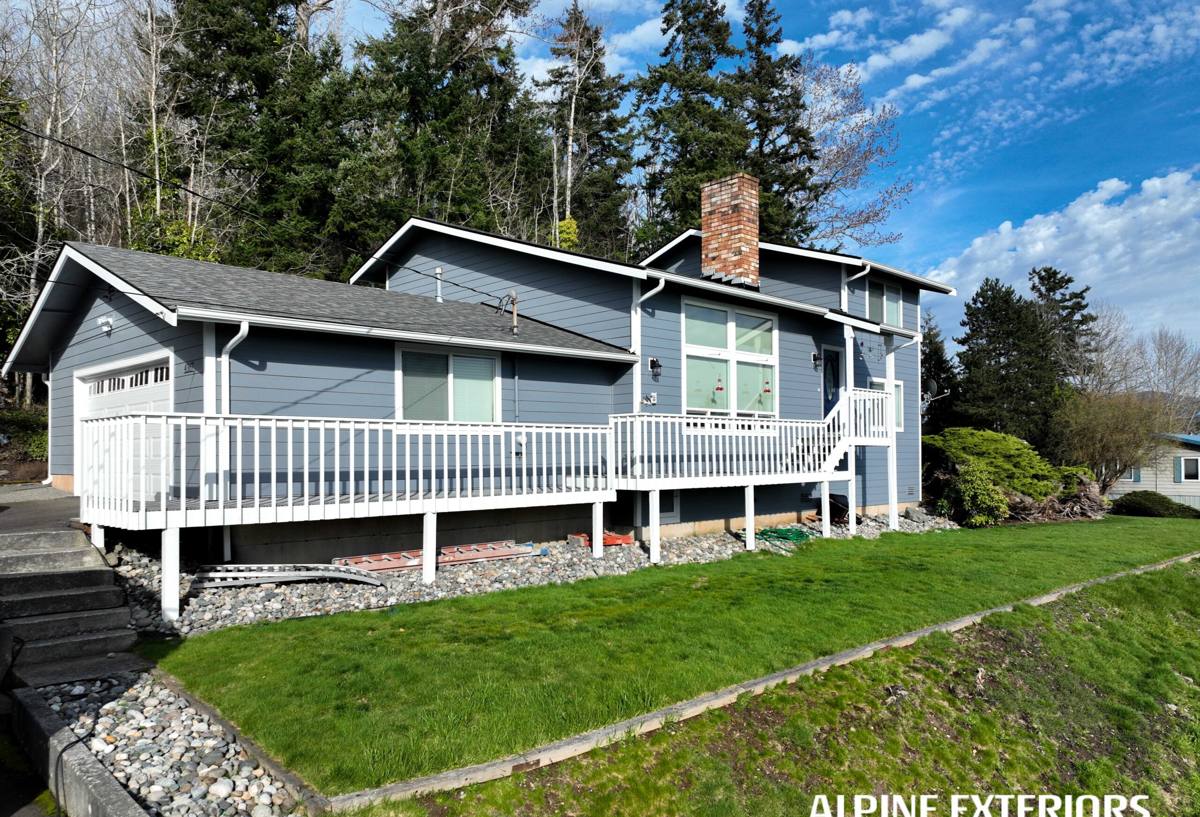
The Climate Factors That Drive Every Decision
Salt Air and Corrosion
Airborne salt is corrosive to metal, full stop. It doesn't take a direct ocean-front lot to be affected — moisture carrying salt content travels inland on wind and settles on any exposed metal surface, including roofing, flashing, and fasteners. The result over years is pitting, rust bleed, and premature fastener failure if the wrong materials or coatings are used. This is a known issue for any home near tidal water, and La Conner's position along the channel puts it squarely in that zone.
Driving Rain
Storms coming off the water tend to arrive with wind behind them, which means rain doesn't just fall — it drives sideways into laps, seams, and penetrations. A roof that would shed water fine in a calm, straight-down rain can leak under wind-driven conditions if the underlayment, seam design, or flashing details weren't built for it. This matters most at valleys, chimney and vent penetrations, and anywhere two roof planes meet.
Moss Season
Skagit County's wet season runs long, and shaded, north-facing, or tree-covered roof sections stay damp for weeks at a time. That's ideal moss habitat. Moss holds moisture against roofing material, and on some products that moisture retention accelerates deterioration underneath. Metal roofing is naturally more moss-resistant than composition shingle because it doesn't offer moss the same porous surface to grab onto, but panel seams, fastener heads, and areas where debris collects still need attention.
Panel and Fastener Choices That Matter Here
Not every metal roofing system performs the same way in a marine climate. The two biggest decisions are panel style (how the roof sheds water and handles fasteners) and the metal's coating or finish (how it resists corrosion over time). We walk homeowners through both before quoting anything.
| Factor | Standing Seam | Exposed Fastener Panel |
|---|---|---|
| How it sheds water | Concealed clips, no fastener penetrations through the panel face | Screws penetrate the panel face at each rib |
| Salt air performance | Fewer exposed metal points for corrosion to start | Exposed screw heads and washers are the first thing to show wear near the water |
| Wind-driven rain resistance | Higher — seams interlock rather than relying on a gasket | Relies on the fastener washer staying sealed over decades |
| Upfront cost | Higher material and labor cost | Lower upfront cost |
| Long-term maintenance | Minimal once installed correctly | Washers and screws typically need inspection and occasional replacement over the roof's life |
We don't tell every homeowner to spend the extra money on standing seam — for a detached garage or shop building set back from the water, exposed fastener panel can be a perfectly reasonable, budget-conscious choice. For a primary home with direct channel or bay exposure, we're honest that standing seam is the system that ages best, because it removes the recurring maintenance item of fastener washers sitting in salt air for twenty-plus years.
Coatings and Finish
Beyond panel style, the coating on the metal itself is what actually fights corrosion day to day. We use finishes and fastener hardware rated for coastal or marine exposure rather than a standard inland-grade product, and we match screw and flashing metal to the panel metal so two dissimilar metals aren't sitting against each other and accelerating corrosion at the contact point. This is a detail that's easy to skip and hard to notice until years later when rust streaks start showing up at every screw.
What a Correct Installation Actually Involves
Metal roofing looks simple from the ground — panels, seams, done. The parts that determine whether it performs for thirty-plus years in this climate happen underneath and at the edges.
- Underlayment: A high-temp, self-adhering synthetic underlayment at eaves, valleys, and penetrations gives a second line of defense if wind-driven rain ever gets past the panel seams.
- Fastening pattern: Correct spacing and torque on every fastener — overdriven screws crush the washer seal, underdriven ones leave a gap for water.
- Flashing details: Custom-formed flashing at valleys, walls, chimneys, and vents rather than generic stock pieces forced to fit.
- Ventilation: Proper ridge and intake venting so moist interior air doesn't condense against the underside of the metal panels.
- Panel expansion allowance: Metal expands and contracts with temperature swings; clips and fastener holes need room to move without buckling the panel or tearing loose over time.
- Dissimilar metal separation: Keeping copper, galvanized steel, and aluminum components from direct contact with each other to avoid galvanic corrosion.
Skip any one of these and the roof can still look fine for a few years. The failures that come from cutting corners on underlayment or flashing tend to show up as a slow leak that's already caused hidden damage by the time it's visible from inside the house.
How We Approach a La Conner Metal Roofing Project
- On-site assessment. We look at exposure — how close to open water, how much tree cover, which direction the prevailing wind and rain come from — before recommending a system.
- Written estimate with options. We lay out panel style, finish, and underlayment choices with honest trade-offs, not a single take-it-or-leave-it price.
- Tear-off and deck inspection. Once the old roofing is off, we check the deck for soft spots or hidden moisture damage before anything new goes down — this is where old leaks often reveal themselves.
- Underlayment and flashing installation. The unglamorous part that does most of the actual water management work.
- Panel installation. Fastened or seamed to spec, with attention to the coastal-specific details covered above.
- Final walk-through. We go over the finished roof with the homeowner, including what routine maintenance actually looks like for their specific setup.
Maintenance in a Marine, Moss-Prone Climate
Metal roofing needs less maintenance than most other roofing materials, but "less" isn't "none," especially this close to the water. A simple seasonal routine keeps small issues from becoming roof-deck problems.
- Clear debris — needles, leaves, moss fragments — from valleys and gutters before the wet season sets in each fall.
- Do a visual check of fastener heads and washers (on exposed-fastener systems) every year or two for early rust or backing-out screws.
- Watch shaded, north-facing sections for moss buildup and remove it gently rather than letting it establish and hold moisture.
- After any major windstorm, take a look for lifted panel edges or shifted flashing, particularly at chimneys and roof-to-wall junctions.
- Keep an eye on gutter attachment points, since driving rain and wind load stress these connections more near open water.
Signs an Existing Roof Needs Attention
Homeowners in La Conner and along the channel often call us after noticing one of a few things: rust streaking below fastener heads, a panel seam that's started to lift at one edge, moss holding water in a shaded valley, or a soft spot noticed in the attic after a big storm. None of these mean the whole roof needs replacing — often it's a localized repair to flashing or a section of fasteners. But in a climate this wet, a small entry point doesn't stay small for long, so it's worth having it looked at rather than waiting.
Why Local, Coastal-Aware Experience Matters
A metal roof installed with inland-standard materials and details can still look good going up. The difference shows up five, ten, fifteen years later, in whether the fasteners are still tight and rust-free, whether the seams are still sealed under wind-driven rain, and whether moss has been quietly working against a section that never gets sun. We build every La Conner metal roofing project around the fact that this is Skagit County marine climate, not a generic Pacific Northwest roof — the coatings, fastener hardware, and flashing details are chosen for salt exposure and driving rain from the start, not added as an afterthought.
If you're planning new metal roofing, considering a replacement, or just want an honest look at what condition your current roof is in, we're glad to come out and walk it with you. There's no pressure and no obligation — just a straightforward assessment and a written estimate you can take your time with.