 Anacortes Siding
 Storm Damage Roof Repair for Mount Vernon Homes
When a windstorm rolls through the Skagit Valley, Mount Vernon homes take it on the chin in a different way than houses right on the water in Anacortes do. The valley funnels wind, the rain comes in sideways for days at a time, and the moss that grows on shaded, north-facing slopes works its way under shingles year-round. Storm damage roof repair out here isn't a one-size-fits-all job. It has to account for how this specific area gets hit, and that only comes from having actually worked on roofs in Mount Vernon before, not just driving through on the way to somewhere else.
This page covers what storm damage really looks like on a Skagit County roof, what a repair should include if it's done right, and how our process works when you call us after a rough night of weather.
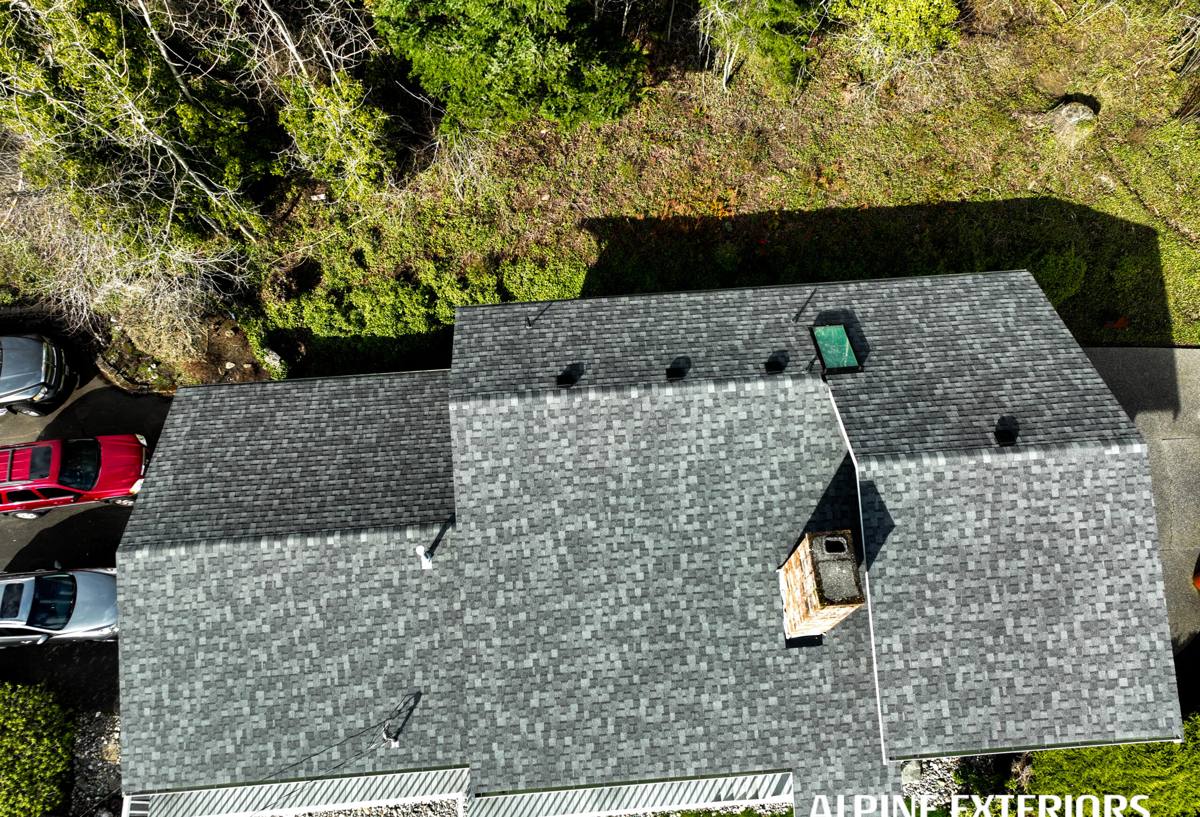
Why Mount Vernon Roofs Take a Different Kind of Beating
The Valley Wind Corridor
Mount Vernon sits low in the Skagit River valley, and that flat, open geography does something specific to wind: it accelerates and funnels through, especially during the fall and winter windstorms that come off the Salish Sea and push inland. Roofs with any age on them, especially ones with shingles already loosened by sun and moisture cycling, are the first thing to give during those events. We see uplift starting at ridge caps and exposed edges before anywhere else on the roof.
Moss and Standing Moisture
Long moss season is not an exaggeration here. Between the tree cover common on Mount Vernon lots and the sheer number of wet, overcast days the region gets, moss gets a foothold on roofs that don't see much direct sun. Moss holds water against the shingle surface, works into the granule layer, and over a few seasons it lifts shingle edges enough that wind has something to grab onto during the next storm. A lot of what looks like "storm damage" after a windstorm is actually moss-related deterioration that finally gave way.
Driving Rain and Marine-Influenced Storms
Because Mount Vernon is close enough to the Anacortes coastline and the broader Puget Sound region, the same marine weather systems that bring driving, wind-driven rain to the coast reach the valley too, just slightly softened. That combination of wind and heavy rain is what finds the small gaps in flashing, nail pops, and cracked pipe boots that a dry roof would hide for years.
What Counts as Storm Damage (and What Doesn't)
Not every roof problem after bad weather is storm damage in the insurance or repair sense. Being clear about the difference up front saves everyone time and keeps expectations honest.
- Storm damage: shingles physically torn, creased, or blown off; flashing bent or ripped loose; a tree limb or branch impact; granule loss concentrated from hail or wind-driven debris; a skylight or vent cap cracked by falling debris.
- Not storm damage (but often revealed by a storm): moss-lifted shingles that were already failing; worn-out flashing sealant that had been drying out for years; a roof simply at the end of its service life that the wind exposed rather than caused.
Both categories need attention, but only the first is typically what an insurance adjuster will classify as storm-related. We tell you plainly which is which before any work starts or any claim gets filed.
What a Correct Storm Damage Repair Actually Involves
Inspection Before Anything Else
A rushed repair after a storm usually means someone walked the roof, patched the obvious hole, and left. That approach misses the secondary damage that caused the leak in the first place, whether that's a flashing seam a few feet away or underlayment that got soaked through a smaller crack nobody noticed. We inspect the full roof plane, not just the spot you called about.
Matching Materials, Not Just Patching
Shingles fade and weather over time, so a patch using off-the-shelf material almost never matches the surrounding roof. Where possible, we source shingles that are a close match in color and profile, and where an exact match isn't realistic, we say so and explain the visual trade-off before you approve the work.
Flashing and Underlayment, Not Just Shingles
Most roof leaks after a storm trace back to flashing around chimneys, skylights, and roof-to-wall transitions, or to underlayment that's been compromised, not to the shingles themselves. A repair that only replaces visible shingles without checking what's underneath is a repair that will leak again in the next storm.
Documentation Along the Way
We photograph damage before and after repair work, whether or not you're planning to file an insurance claim. If a claim does come up later, that record is useful, and if it doesn't, you still have a clear picture of what was done to your roof and why.
Our Process When You Call Us
- Phone conversation first. We ask what happened, when, and what you're seeing (missing shingles, an active leak, debris on the roof) so we can prioritize based on urgency.
- On-site inspection. We walk the roof and the attic or ceiling where visible, looking for both the obvious damage and what's hiding behind it.
- Written scope and estimate. You get a plain description of what's damaged, what needs repair versus what can wait, and a cost range, before we touch anything.
- Repair work. Scheduled promptly for active leaks, or at an agreed time for cosmetic or non-urgent damage.
- Final walk-through. We show you what was done and answer questions before we consider the job closed.
Repair vs. Replace: What Actually Drives the Decision
Storm damage doesn't automatically mean a new roof, and a new roof isn't always the responsible answer either. These are the factors that actually decide it.
| Factor | Leans Toward Repair | Leans Toward Replacement |
|---|---|---|
| Roof age | Under roughly 10-12 years, still within expected lifespan | Near or past the material's typical service life |
| Extent of damage | Isolated to one section or a few shingles | Spread across multiple roof planes |
| Underlying condition | Decking and underlayment sound once exposed | Rot, soft decking, or widespread moss undermining the surface |
| Moss history | Minimal or recently treated | Long-term, heavy moss growth affecting multiple areas |
| Insurance scope | Claim approved for a defined repair area | Adjuster scope already calls for full replacement |
We'll give you our honest read on where your roof falls on this table. If a repair is the right call, that's what we recommend, even though a full replacement is the bigger job.
Signs You Need a Roof Inspection After a Storm
You don't need to be able to identify roof damage yourself, but these are the signs worth calling about, whether you see them from the ground or notice them inside the house.
- Shingles or shingle pieces in the yard or gutters after wind
- Visible gaps, curling, or discoloration on the roof from the ground
- A new water stain on a ceiling or upper wall
- Granules collecting at the bottom of downspouts
- A branch or debris strike anywhere on the roof
- Daylight visible through the attic roof deck
- A sudden increase in moss or dark streaking after a wet stretch
Why Hire a Crew That Already Works Mount Vernon
Roofing crews that mainly work closer to the water in Anacortes, or come from outside Skagit County entirely, don't always account for how differently a valley roof ages compared to a coastal one. Moss patterns, the way wind loads a low-slope valley roof versus a steep coastal one, and which flashing details tend to fail first here are things you learn from repeat work in the area, not from a single job. We work Mount Vernon regularly enough to know what tends to go wrong on these roofs before we're even on the ladder.
There's also the practical side: a crew based nearby can respond faster after a storm, which matters when an active leak is involved, and can follow up easily if a repair needs a second look after the next round of weather.
Insurance Claims and Storm Damage
If your damage is clearly storm-related, homeowners insurance often covers repair costs, subject to your deductible and policy terms. We're not your insurance adjuster and won't promise a claim outcome, but we can document damage clearly, describe the cause factually, and give you a repair scope that an adjuster can work from. If you'd rather handle the repair without going through insurance, especially for smaller damage where the deductible would exceed the repair cost, we'll give you a straight cost estimate for that instead.
Get a Free, No-Pressure Estimate
If your Mount Vernon home has storm damage, or you just want a roof looked at after a rough stretch of weather, we're happy to come take a look. There's no obligation and no pressure to sign anything on the spot. Fill out the form below and we'll get in touch to schedule a time.