 Anacortes Siding
 Why Siding Choice Matters More in Sedro-Woolley
Sedro-Woolley sits inland along the Skagit River valley, but it still lives inside the same wet, moisture-heavy weather system that defines Western Washington. Marine-influenced air moves up the valley from the Salish Sound, mixes with rain funneled off the North Cascades foothills, and settles under the heavy tree canopy that surrounds much of the area. The result is a long wet season, slow-drying exteriors, and siding that spends more months of the year damp than dry.
That combination is hard on building materials that were never engineered for it. Wood siding needs constant repainting and is vulnerable to rot wherever caulk fails. Vinyl expands, contracts, and can warp under prolonged moisture and temperature swings. Even siding products that look similar to James Hardie on a spec sheet behave very differently once they've absorbed a few Skagit County winters of water. Homes here need a siding system engineered specifically for this kind of climate, not just a product that happened to pass inspection somewhere drier.
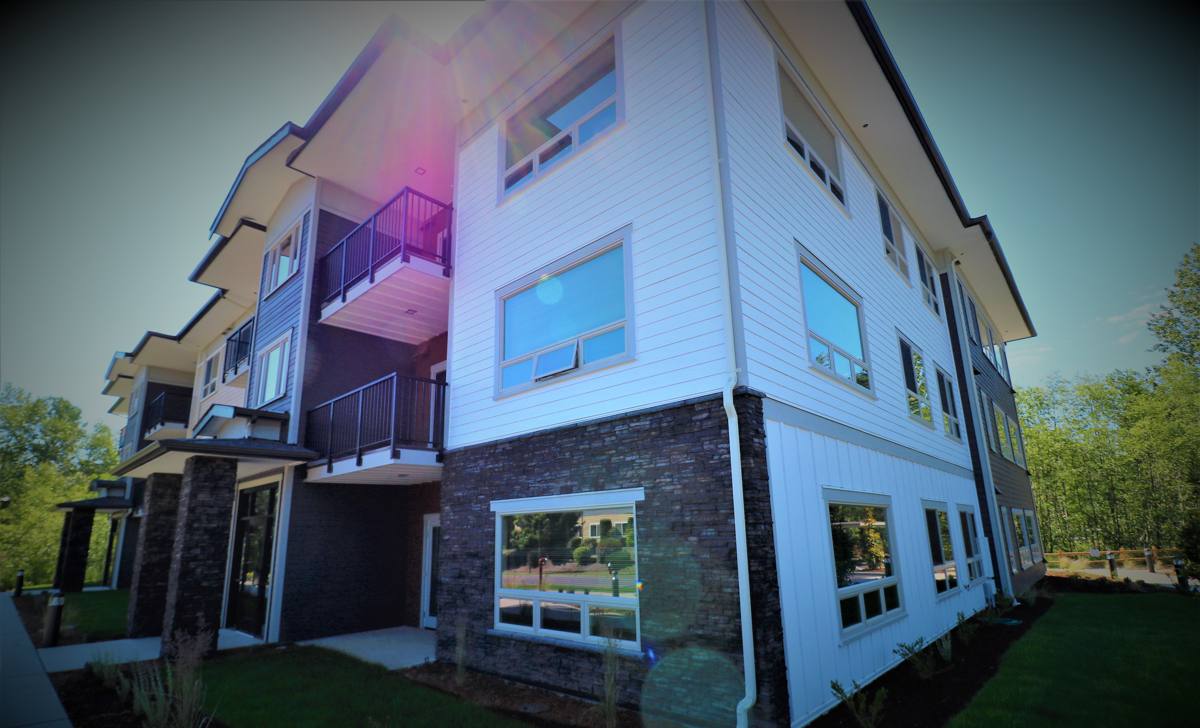
Why We Install Only James Hardie
We made a deliberate decision to install James Hardie fiber cement siding exclusively — not LP SmartSide, not vinyl, not Cemplank or Allura, not primed wood. That's not a marketing position; it's a standard we hold because of what we've seen these products do (and not do) once they're on a house in a climate like this one.
Engineered for This Specific Climate
James Hardie's HZ5 product line is formulated for the Pacific Northwest's wet, moderate climate rather than a generic national average. Fiber cement itself is inert — it doesn't rot, it doesn't feed mold or fungus, and it doesn't provide a food source for the moss and algae that thrive in shaded, damp conditions. That matters directly in Sedro-Woolley, where wooded lots and long overcast stretches keep siding surfaces damp far longer than in drier parts of the state.
A Factory Finish, Not a Field Gamble
ColorPlus finish is baked onto the board in a controlled factory environment, then cured to bond with the fiber cement substrate. That's a fundamentally different process than a painter rolling color onto boards on a scaffold in variable weather. Factory-applied finish resists fading, chipping, and moisture intrusion at the surface far better than field-applied paint, and it's backed by its own finish warranty separate from the substrate warranty.
Non-Combustible Construction
Fiber cement doesn't burn. With wildfire smoke and dry-season fire risk becoming a bigger part of every Western Washington summer, non-combustible siding is a real, practical advantage — not just a spec sheet talking point.
What a Correct James Hardie Installation Actually Involves
James Hardie siding performs the way it's designed to only when it's installed to the manufacturer's specifications. In a wet climate, the installation details matter as much as the product itself — this is where most siding failures we're called to diagnose actually originate.
- Weather-resistant barrier installed correctly behind the siding, with proper lapping and sealing at every penetration
- Rainscreen gap or drainage plane where conditions call for it, so incidental moisture can drain and dry instead of sitting against the wall
- Manufacturer-specified fastener type, spacing, and penetration depth — under- or over-driven nails are a leading cause of early siding problems
- Correct clearance between siding and grade, roof lines, decks, and hardscape to keep splash-back and standing water off the board edges
- Flashing integrated at every window, door, and horizontal trim transition, not just caulk alone
- Factory-cut edges sealed per Hardie's specification wherever field cuts expose raw fiber cement
Skip any one of these steps and you can end up with a house wearing a premium siding product that still traps moisture behind it. The material gets blamed, but the installation was the actual failure point.
Common Sedro-Woolley Home Types We Work With
Skagit County's housing stock is a mix of older farmhouse-style and ranch homes built decades ago, along with newer construction on more recently developed lots. Each presents a different starting point for a siding project.
Older homes often have layers of history under the existing siding — sometimes an earlier wood or composite product, sometimes signs of moisture damage around windows or at the base of walls that were never addressed because they were hidden. These homes usually benefit from a full tear-off so we can inspect the sheathing and framing underneath before anything new goes up, rather than installing over a problem we can't see. Newer homes are more often a straightforward re-side or a first-time siding job on new construction, where the focus shifts to getting the water management details right from day one.
Our Process for a Sedro-Woolley Siding Project
The steps don't change much from house to house, but what we look for at each stage is shaped by the local climate.
1. On-Site Assessment
We walk the exterior, check the condition of the existing siding, and pay close attention to areas that stay shaded or damp longest — north-facing walls, spots under tree cover, and anywhere moss or algae has already taken hold. Those are the areas most likely to reveal underlying moisture issues.
2. Tear-Off and Sheathing Inspection
Once the old siding is off, we inspect the sheathing and framing directly. Any soft spots, rot, or prior water intrusion get addressed before a single new board goes up. This step is non-negotiable — covering a moisture problem with new siding just delays and hides it.
3. Water Management First
Weather-resistant barrier, flashing, and drainage details go in before the visible siding does. This is the layer that actually keeps a Sedro-Woolley home dry through the wet season, year after year.
4. Installation to Manufacturer Spec
James Hardie boards, trim, and fasteners go in following Hardie's published installation guidelines — the same guidelines that keep the product warranty intact.
5. Final Walkthrough
We review the finished work with the homeowner, checking caulking, trim lines, and any remaining site cleanup before calling the job complete.
What Drives the Cost of a Siding Project
Every Sedro-Woolley home is a little different, so exact pricing depends on the specifics of the house. The factors below are what typically move a project's cost up or down.
| Factor | Why It Matters |
|---|---|
| Tear-off vs. new construction | Removing and disposing of old siding, plus repairing any hidden damage found underneath, adds labor a new-build install doesn't need |
| Home size and wall complexity | More square footage, dormers, and wall angles mean more material and more cutting |
| Siding profile and trim detail | Simple lap siding installs faster than mixed profiles with shingle accents or extensive trim work |
| Color selection | Standard ColorPlus colors versus premium or custom options can shift material cost |
| Site access | Wooded lots, steep grades, or tight setbacks slow down staging and material handling |
| Extent of moisture damage found | Sheathing or framing repairs discovered during tear-off are priced separately from the siding itself |
Living With Hardie Siding Through a Skagit Valley Winter
James Hardie siding is low-maintenance compared to wood or vinyl, but "low-maintenance" doesn't mean "no maintenance," especially in a climate that grows moss on almost everything given enough shade and time.
- Rinse siding periodically to keep organic buildup from taking hold, especially on shaded or north-facing walls
- Keep gutters clear so overflow doesn't run down the siding face during heavy rain
- Trim back tree branches and shrubs that keep sections of siding damp and shaded longer than necessary
- Inspect caulking at trim and window transitions annually and re-seal where it's cracked or pulled away
- Address any visible chip or damage promptly so the factory finish stays sealed at that spot
Done consistently, that's a short list — far shorter than the upkeep wood siding demands, and without the warping and fading issues that show up on vinyl after enough seasons of Pacific Northwest weather.
Why Local Experience Matters
A crew that already works in Sedro-Woolley and the broader Skagit County area has seen how this specific climate behaves on real houses — which walls fail first, where moss actually takes hold, how local permitting and inspection processes run, and what a correctly detailed installation needs to look like to hold up through a full Pacific Northwest winter. That local pattern recognition is hard to substitute with generic experience from a drier region, and it's part of why we've stayed focused on doing this work well in the communities we already know rather than spreading thin across unfamiliar territory.
If you're planning a siding project in Sedro-Woolley, we're happy to take a look at your home and walk you through what we'd recommend. The estimate is free, there's no pressure, and you'll get a straight answer about what your home actually needs.