 Anacortes Siding
 Asphalt Shingle Roofing Built for Ship Harbor's Exposure
Ship Harbor sits right where Fidalgo Island meets the water, close to the ferry terminal and the Ship Harbor Interpretive Preserve. That location is part of what makes the neighborhood beautiful, and it's also exactly why roofs here wear differently than roofs a few miles inland. Homes in this pocket of Anacortes catch salt-laden air off Rosario Strait, take driving rain straight off the water during winter storms, and sit under enough tree cover in places to grow moss on anything that stays damp too long. An asphalt shingle roof can handle all of that well — but only if it's specified and installed with this exposure in mind, not treated like a generic install.
This page covers what asphalt shingle roofing actually needs to hold up in Ship Harbor, what a correct installation includes, and how we approach the job when we're up on one of these roofs.
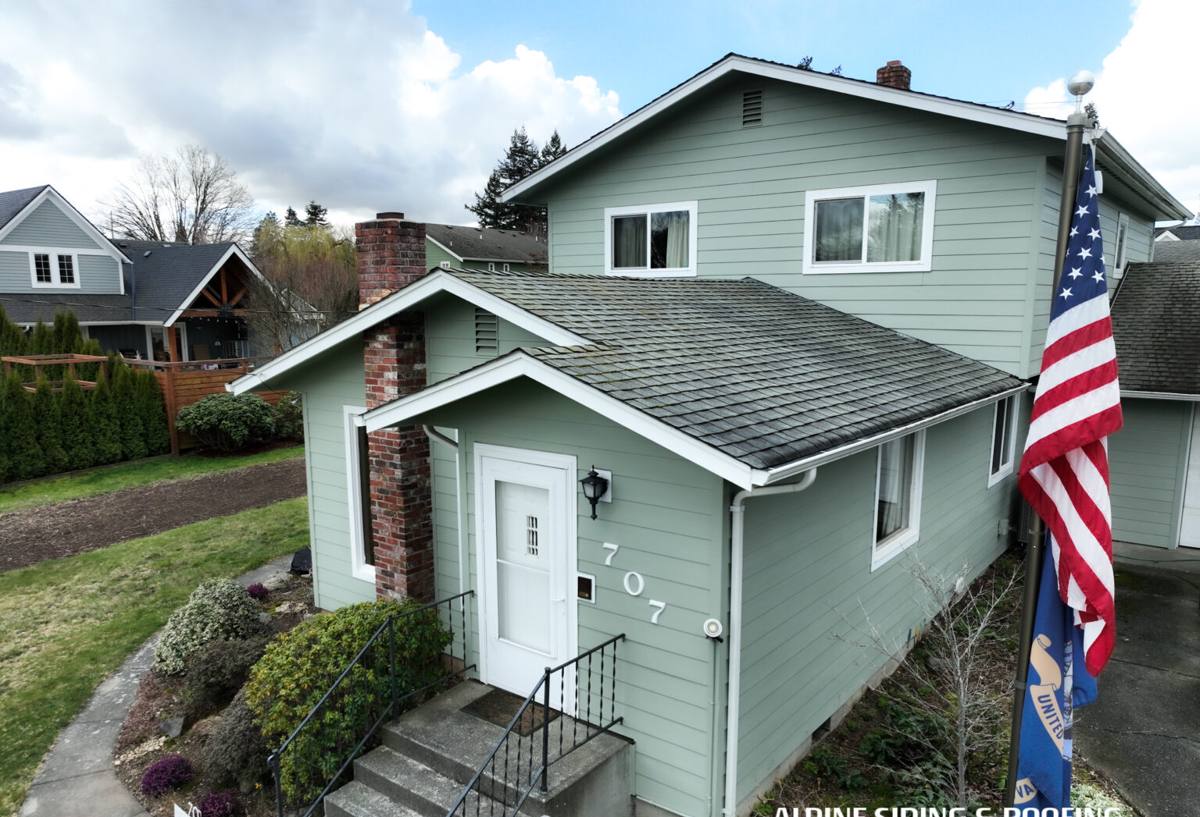
What Anacortes' Coastal Climate Does to a Roof
Salt Air and Metal Components
Asphalt shingles themselves aren't bothered much by salt air, but every metal component on the roof is — nails, flashing, valley metal, drip edge, roof vents, and any exposed fasteners. Lower-grade galvanized fasteners and thin flashing stock corrode faster this close to Skagit County's saltwater shoreline, and a corroded nail or a pinholed flashing seam is a leak waiting to happen. This is one of the most common shortcuts we see on older Ship Harbor roofs: fine shingles over cheap metal that failed years before the shingles did.
Wind-Driven Rain
Storms coming off the Strait don't just drop rain straight down — they push it sideways, which forces water up under shingle tabs, into nail lines, and along exposed edges that would stay dry in a calmer climate. A roof detailed for wind-driven rain needs proper shingle sealing, tighter nailing patterns, and extra water protection at the vulnerable spots (eaves, valleys, and anywhere the roof plane changes). A roof detailed for a drier inland climate often isn't built to the same standard, and it shows up as slow leaks during the wettest months of the year.
Moss and Shaded Roof Sections
Anacortes' long wet season and the tree cover common around Ship Harbor give moss everything it needs: shade, moisture, and time. Moss doesn't just look bad — it holds water against the shingle surface, works its way under tabs, and can lift edges enough to let wind and rain in underneath. North-facing slopes and sections under overhanging trees are the areas we watch closest, both when we're evaluating an existing roof and when we're planning layout and ventilation on a new one.
What a Correct Asphalt Shingle Roof Actually Includes
An asphalt shingle roof is a system, not just a layer of shingles. Every piece below plays a role, and skipping or downgrading any one of them is where premature leaks come from.
| Component | Purpose | Why It Matters Here |
|---|---|---|
| Underlayment | Secondary water barrier under the shingles | Backs up the shingles during wind-driven rain and wet-season saturation |
| Ice and water shield | Self-adhering membrane at eaves, valleys, and penetrations | Protects the spots most exposed to pooling and wind-pushed water |
| Drip edge and flashing | Metal edging and transition pieces | Needs corrosion-resistant material given the salt air off the Strait |
| Ventilation (intake and exhaust) | Airflow through the attic | Keeps sheathing dry and reduces the moisture that feeds moss and rot |
| Shingle field | Primary weather surface | Algae-resistant granules and correct nailing pattern extend service life |
Ventilation deserves a second mention because it's the piece most often overlooked. A roof can have great shingles and still fail early if the attic below it is trapping moisture — that trapped moisture warps sheathing, shortens shingle life from underneath, and creates the exact damp conditions moss thrives in. We check intake and exhaust balance on every roof, not just on request.
Choosing a Shingle for a Ship Harbor Home
Not every asphalt shingle is built the same way, and for a home this close to the water, the differences matter more than they would inland.
| Shingle Type | Typical Lifespan | Best Fit For Ship Harbor |
|---|---|---|
| 3-tab shingle | 15–20 years | Budget re-roofs; less wind resistance, worth weighing against local storm exposure |
| Architectural (laminated) shingle | 25–30 years | Our standard recommendation — better wind rating and thicker profile handles driving rain well |
| Algae-resistant (AR) shingle | Same as base product, with treated granules | Strongly recommended given moss and algae pressure from shade and moisture |
| Impact-rated shingle | Comparable to architectural, added durability | Optional upgrade; more relevant for hail-prone regions than for typical Skagit County storms |
For most Ship Harbor homes, we recommend an architectural shingle with algae-resistant granules as the baseline. The extra cost over a basic 3-tab is modest relative to the roof's total lifespan, and it directly addresses the two conditions that shorten roof life fastest here: wind and moss.
Color and Heat Considerations
Darker shingles show algae growth less obviously but can run warmer in the rare stretch of summer sun; lighter shingles show streaking sooner but stay cooler. Neither is wrong — it's a homeowner preference we talk through during the estimate, not something we push one way on.
Our Process for a Ship Harbor Roofing Project
- On-site evaluation. We walk the roof and the attic, checking deck condition, ventilation, flashing points, and any moss or moisture damage — not just a look from the ground.
- Written estimate. A clear scope covering tear-off, deck repair allowance if needed, underlayment and ice-and-water placement, flashing material, shingle selection, and ventilation work.
- Tear-off and deck inspection. Old roofing comes off down to the deck so we can actually see the sheathing condition, not guess at it from above.
- Deck repair. Any soft, delaminated, or rotted sheathing gets replaced before anything new goes down — covering over bad decking is how good shingles fail early.
- Water protection and flashing. Ice and water shield at vulnerable areas, underlayment across the field, and corrosion-resistant flashing and drip edge throughout.
- Shingle installation. Installed to manufacturer nailing and exposure specs, with extra attention at valleys, penetrations, and roof-to-wall transitions.
- Ventilation check. Intake and exhaust confirmed balanced for the attic space before we close out the job.
- Final walkthrough. We go over the finished roof with you, including care and what to watch for going forward.
Signs Your Ship Harbor Roof Needs Attention
- Granules collecting in gutters or at downspout outlets
- Dark streaking or green-black patches, especially on shaded or north-facing slopes
- Curling, cupping, or lifted shingle edges
- Moss visible along ridge lines, valleys, or shingle butt edges
- Soft or spongy spots when walking the roof, or sagging between rafters
- Water stains on interior ceilings, particularly after a wind-driven storm
- Rusty streaks below nail heads or flashing
- Daylight visible through the roof deck from inside the attic
Any one of these on its own isn't necessarily an emergency, but they're worth a professional look rather than waiting for a leak to show up inside the house.
Maintenance Between Roof Replacements
Asphalt shingle roofs in this climate benefit from a bit of upkeep rather than being left alone until something fails. A yearly check of the moss situation, gutters kept clear so water isn't backing up under the eaves, and prompt attention to any lifted or damaged shingles all add real years to a roof's service life. If moss has already established itself, we treat it appropriately for the shingle type rather than pressure-washing it off, which can strip granules and shorten shingle life faster than the moss itself.
Why a Local Crew Matters for This Job
A roofer who mainly works drier, inland jobs may not think twice about fastener grade, flashing material, or ventilation balance — because in that climate, it usually doesn't matter as much. Working Ship Harbor and the rest of Anacortes regularly means we've seen firsthand how salt air, wind-driven rain off Rosario Strait, and shaded moss-prone slopes shorten the life of a roof that wasn't detailed for them. That's not a sales pitch — it's the difference between a roof that needs attention again in eight years and one that goes the full distance it's rated for.
We also know the practical side of working this area: navigating the ferry-adjacent traffic patterns, coordinating around Skagit County weather windows, and scheduling tear-offs so a roof isn't left open when a storm is rolling in off the water.
Get a Straightforward Estimate
If your Ship Harbor home's roof is showing its age, or you just want an honest read on where it stands, we're glad to take a look. Fill out the form below for a free, no-pressure estimate — we'll walk the roof, tell you what we actually see, and lay out your options plainly.