 Anacortes Siding
 Why Similk Beach Roofs Wear Out Faster Than Most
Similk Beach sits along the water on Fidalgo Island, just south of Anacortes near Similk Bay. That waterfront setting is part of what makes the neighborhood a great place to live, but it's hard on a roof. Homes here catch salt-laden air coming off the bay, steady wind, and driving rain that gets pushed sideways under shingles and around flashing instead of falling straight down. Combine that with the mature tree cover common on many Similk Beach lots, and you get roofs that stay shaded and damp for long stretches — exactly the conditions moss needs to take hold.
None of this means a roof here is doomed to fail early. It means the materials, details, and installation choices that work fine on a dry, open, inland roof in Skagit County often aren't enough on a shoreline lot. A roof replacement done right for this location accounts for salt exposure, wind-driven moisture, and a moss season that can run from fall clear through spring.
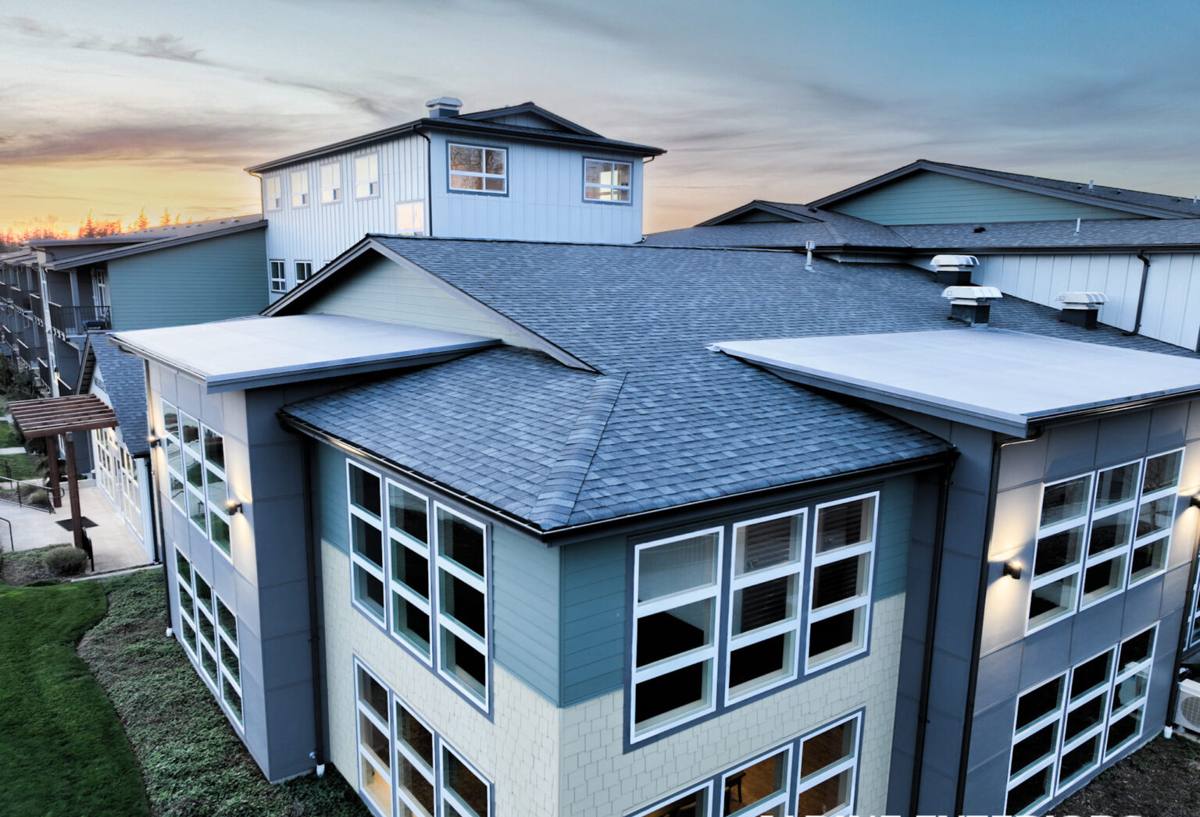
Signs You're Looking at Replacement, Not Another Repair
Every roof needs occasional repair — a lifted shingle, a resealed pipe boot, a patched flashing joint. Replacement becomes the honest recommendation when the damage is no longer isolated but spread across the whole roof system. On Similk Beach homes, we typically see this pattern show up as:
- Granule loss and bald patches on multiple slopes, especially the sides that face prevailing wind and rain
- Shingle edges curling, cupping, or cracking rather than lying flat
- Thick moss or algae carpeting shaded or north-facing sections, even after cleaning
- Soft, spongy, or discolored decking felt from inside the attic
- Daylight visible through roof boards at seams or fastener holes
- The same leak returning in a new spot after each repair, rather than staying fixed
- A roof at or past the typical service life for its material — often shorter here than in drier inland climates because of the added moss and moisture load
If you're only seeing one or two of these in one location, a repair is usually the right call. If they're showing up in several places at once, that's the roof telling you it's done protecting the house the way it should.
Why Full Tear-Off Beats Overlay for This Location
Some contractors will offer to install new shingles directly over the old layer to save money. We don't do that on Similk Beach homes as a standard practice, and the reason isn't cost — it's that an overlay hides exactly the problems this climate causes most: trapped moisture, soft decking, and corroded flashing underneath. A full tear-off is the only way to actually see the plywood or sheathing, the old flashing, and the roof deck itself, and to fix what's wrong instead of covering it up.
What a Correct Roof Replacement Actually Involves
A roof is a system, not just a layer of shingles. Getting it right in a marine climate means paying attention to every part of that system, not just the part people see from the street.
- Deck inspection and repair. Once the old roofing is off, every section of decking gets checked. Any plywood or sheathing that's soft, delaminated, or water-stained gets replaced before anything new goes down.
- Upgraded underlayment. A synthetic underlayment across the whole roof, with self-adhered ice-and-water barrier at eaves, valleys, and around penetrations, gives the roof a second line of defense against wind-driven rain that pushes past the surface layer.
- Corrosion-resistant flashing and fasteners. Salt air is hard on standard metal. Flashing at chimneys, sidewalls, and valleys, along with fasteners, should be chosen for coastal exposure rather than whatever's cheapest, especially on the sides of the house that face the bay.
- Balanced ventilation. Intake at the soffits and exhaust at the ridge keep air moving through the attic, which matters as much for controlling moss and moisture as it does for temperature.
Choosing a Roofing Material for a Salt Air, High-Moss Climate
There's no single "best" roofing material for every home — it depends on the roof's pitch, how much shade the lot gets, and what the homeowner wants to maintain over time. What matters is going in with clear eyes about the trade-offs, not picking based on price alone.
| Material | Moss & Moisture Behavior | Salt Air / Wind Durability | Upkeep |
|---|---|---|---|
| Asphalt composition shingle (architectural) | Good with proper ventilation; algae-resistant granules help but don't eliminate moss on shaded slopes | Solid when installed with coastal-rated flashing and fasteners | Periodic moss treatment and gutter clearing |
| Standing-seam metal | Sheds moisture fast; moss struggles to hold on a smooth, steep metal surface | Very strong against wind and salt air when properly coated and fastened | Low; occasional fastener and sealant checks |
| Cedar shake | Attractive but naturally moisture-absorbent; needs regular treatment to resist rot and moss in a damp climate | Can perform well, but installation and maintenance sensitivity is higher near salt air | Highest; regular cleaning, treating, and inspection |
| Composite/synthetic shake | Resists moisture absorption better than natural wood; less prone to hosting moss | Good, with manufacturer-rated coastal warranties available | Moderate; simpler than natural cedar |
We're upfront with clients that a beautiful cedar roof on a shaded Similk Beach lot is going to demand more upkeep than the same style in composite or metal — that's a maintenance-burden trade-off, not a defect in the product. Our job is to lay out those honest trade-offs so you can pick the material that fits how much roof maintenance you actually want to do.
Ventilation and Moisture Control Matter as Much as the Shingles
Skagit County's marine climate keeps humidity high for much of the year, and a roof that can't breathe traps that moisture against the decking from underneath — the same problem moss causes from the top. Balanced ventilation, with enough intake at the soffits to match exhaust at the ridge, keeps air moving so condensation doesn't build up in the attic.
We also check that bathroom and kitchen exhaust fans actually vent outside rather than dumping warm, moist air into the attic space — a common oversight that quietly shortens a new roof's life no matter how good the shingles are. On a home already dealing with shade and salt air, getting ventilation right is one of the most cost-effective ways to protect the investment.
Our Replacement Process, Step by Step
- On-site inspection. We walk the roof and attic, check decking condition, ventilation, and flashing, and take honest stock of what's driving the need for replacement.
- Material selection. We go over options suited to a shaded, waterfront Similk Beach lot and help you weigh appearance, durability, and maintenance against your budget.
- Full tear-off. Old roofing comes off completely so the deck can be inspected and repaired, not covered up.
- Deck repair. Any soft or damaged sheathing is replaced before new materials go down.
- Underlayment and flashing installation. Synthetic underlayment, ice-and-water barrier at vulnerable spots, and corrosion-resistant flashing go in first.
- Roofing material installation. Shingles, metal panels, or shakes are installed to manufacturer specification, with attention to fastening patterns suited to wind exposure.
- Ventilation tie-in. Intake and exhaust venting is confirmed balanced across the finished roof.
- Cleanup and final walk-through. Site is cleared of debris and nails, and we walk the finished roof with you before calling the job done.
What Drives the Cost of a Roof Replacement Here
We don't quote roof prices sight unseen, because the honest answer depends on the specifics of your roof — but the factors that move the number are consistent. Knowing them ahead of time makes the estimate conversation more useful.
| Cost Factor | Why It Matters |
|---|---|
| Roof size and pitch | More square footage and steeper slopes mean more material and more labor time, including added safety measures |
| Number of existing layers | Removing multiple old layers of roofing takes more time and disposal than a single-layer tear-off |
| Decking condition | Rotted or soft sheathing found during tear-off needs replacing before new roofing goes on |
| Material choice | Asphalt, metal, and shake/composite carry different material and labor costs |
| Site access | Tree cover, steep driveways, and tight waterfront lots common in Similk Beach can affect staging and disposal logistics |
| Permitting | Skagit County permit requirements apply to roof replacements and are factored into project timelines |
A small, simple, easily accessible roof will always cost less than a large, steep, tree-shaded one with hidden deck damage. We'll give you a specific number after we've actually looked at your roof, not before.
Protecting Your Investment After the Roof Goes On
A correctly installed roof still needs a bit of upkeep in a climate like this one. Homeowners who stay ahead of these basics get the most life out of their new roof:
- Clean gutters at least twice a year so water isn't backing up under the roof edge
- Treat for moss proactively on shaded slopes rather than waiting for it to spread
- Trim back tree limbs that overhang the roof to cut down on shade, debris, and abrasion
- Have flashing points checked yearly, especially around chimneys and sidewalls
- Skip pressure washing, which can drive water under shingles and strip granules
- Make sure attic insulation or storage isn't blocking soffit vents
- Have the roof checked after any unusually severe windstorm off the water
Why It Matters That We Already Work Similk Beach
A roofing crew that mainly works drier, inland neighborhoods can still do competent work, but they're often learning this shoreline's quirks on your roof. A crew that already works Similk Beach knows how the tree cover on these lots shades certain slopes year-round, how wind off Similk Bay hits differently depending on which side of the house you're on, and how fast moss can return without the right combination of material and ventilation. That familiarity shows up in the details — which flashing gets upgraded, where the ice-and-water barrier goes, how the job is sequenced around Skagit County's wetter months.
It also means knowing the practical side: local permitting, realistic scheduling around the region's rain patterns, and site logistics on lots where access can be tighter than a standard inland property. None of that shows up as a line item, but it's the difference between a roof that's installed correctly for this specific location and one that's just installed.
If your Similk Beach home is due for a new roof, we're happy to take a look and walk you through what we find — no pressure, no obligation. Use the form below to request a free estimate.