 Anacortes Siding
 Siding Repair for Similk Beach Homes
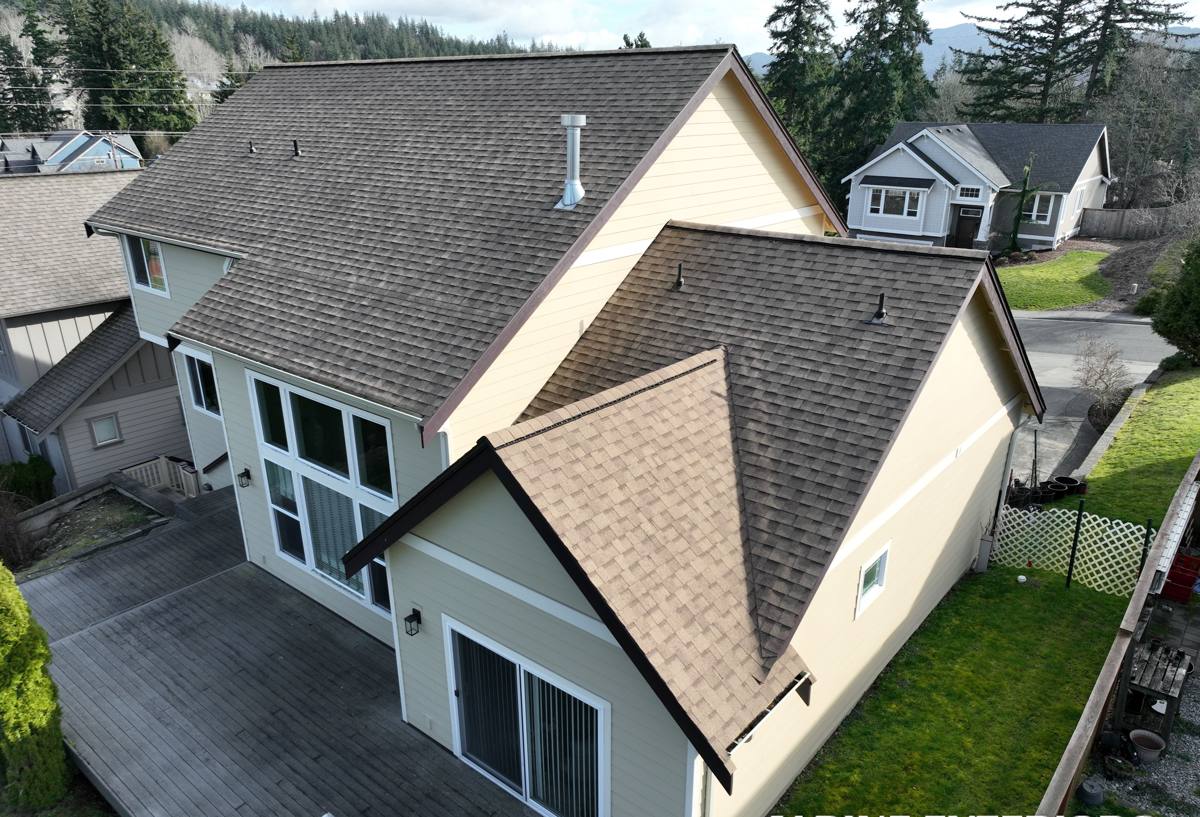
Similk Beach sits close enough to the water that its homes take a different kind of weathering than houses further inland in Skagit County. Salt-laden air off the bay, wind-driven rain that comes in sideways during winter storms, and a long, damp moss season that starts in fall and doesn't really let up until late spring all work on exterior siding in ways that are easy to underestimate until you're standing at the base of a wall looking at soft wood or a stained, bubbling panel. Siding repair out here isn't a cosmetic job — it's about catching moisture and rot problems before they turn into structural ones.
We work Anacortes and the surrounding Skagit County waterfront communities regularly, and Similk Beach comes with its own repair patterns. Knowing what those patterns are before you start pulling siding off the wall is half of doing the job right.
Why Similk Beach Siding Fails Differently
Salt Air and Metal Fasteners
Homes within a mile or two of Similk Bay and the surrounding shoreline see accelerated corrosion on exposed fasteners, flashing, and trim. Nails that back out, streak rust down a panel face, or corrode enough to lose their grip are a common repair call here. It's rarely dramatic — it's slow, and by the time you notice the rust streak, the fastener underneath has usually been failing for a while.
Wind-Driven Rain
Similk Beach's exposure means rain doesn't just fall on the siding, it gets pushed into laps, joints, and butt seams that would stay dry in a more sheltered spot. Old caulk joints, undersized overlaps, and gaps around trim and penetrations all become entry points. Once water gets behind the siding, it doesn't dry out quickly in this climate — that's when you start seeing soft sheathing, staining, and eventually rot.
Moss and Sustained Moisture
North-facing walls and anything shaded by trees or a neighboring structure hold moisture longer here than on a typical inland lot. Moss and algae growth on siding isn't just an appearance issue — it holds water against the surface and, on materials that aren't built to handle that, it accelerates decay underneath.
What a Correct Siding Repair Involves
A repair that just patches the visible damage and leaves the underlying cause in place is a repair you'll be paying for again in a year or two. On a property like this, we treat every repair call as a chance to check the whole assembly, not just the panel someone noticed.
- Identify the actual water path — the visible damage is rarely where the water got in
- Pull back enough siding to inspect the house wrap or building paper underneath for tears or gaps
- Check sheathing for soft spots, discoloration, or rot and replace any compromised wood before new siding goes back on
- Correct flashing at windows, doors, and any wall penetrations rather than just caulking over the symptom
- Match replacement siding material, profile, and reveal so the repair doesn't stand out
- Re-fasten with corrosion-resistant fasteners rated for coastal exposure
- Re-seal joints with a sealant appropriate for the material and this climate, not just whatever's on the truck
Skipping any of these steps is how you end up with a repair that looks fine for a season and then reopens the same problem.
When Repair Isn't the Right Call
Sometimes a homeowner calls about one bad section of wall, and once we're into it, the damage is more widespread than the visible symptom suggested — moisture has been tracking behind multiple courses of siding for years. In that case, patch-repairing a few boards and leaving the rest is a short-term fix on a long-term problem. We'll tell you plainly if that's what we're looking at, and what the honest options are, rather than repairing around a bigger issue.
Matching Materials on a Repair
What the existing siding is made of changes what a repair looks like. Here's how the common materials we run into on Similk Beach properties compare when it comes to repair work specifically:
| Material | Typical Repair Challenge in This Climate | Match Difficulty |
|---|---|---|
| Vinyl | Cracks and warps with age; UV and temperature swings make older panels brittle | Hard — colors fade and discontinued profiles are common |
| Cedar or primed wood | Prone to rot at butt joints and lower courses; needs ongoing paint maintenance | Moderate — grain and texture vary board to board |
| Older fiber cement (various brands) | Edge swelling if factory sealing has failed; caulk joint failures | Moderate — profile and reveal must match closely |
| James Hardie fiber cement | Rare — mostly isolated impact damage or fastener issues rather than material failure | Easier — consistent factory profiles and ColorPlus finish batches |
If your home already has James Hardie siding, repairs are usually more straightforward: the product is dimensionally consistent, the ColorPlus factory finish holds color better than field-applied paint, and matching a replacement board to the existing wall is far more predictable than trying to source a discontinued vinyl profile or blend new cedar against sun-weathered boards.
Why This Company Repairs and Replaces With James Hardie Only
We install exclusively James Hardie fiber cement siding — not vinyl, not LP SmartSide, not Cemplank or Allura, not primed spruce or cedar. When a repair call turns into a "this section needs to be replaced, not patched" conversation, Hardie is what goes back on the wall, for reasons that matter specifically in a place like Similk Beach:
- Non-combustible material — a real consideration anywhere in a region that deals with wildfire smoke and dry summer stretches
- Engineered for this climate — Hardie's HZ5 product line is formulated for cold, wet Pacific Northwest conditions specifically
- Factory-applied ColorPlus finish — resists the fading and peeling that field-painted wood and some fiber cement alternatives struggle with under sustained coastal UV and moisture exposure
- Doesn't rot — fiber cement isn't susceptible to the wood decay that drives most of the repair calls we get on cedar and primed wood siding in this area
- Strong transferable warranty — backed by the manufacturer and worth something if the home changes hands
We're not going to tell you every siding product on the market is bad — vinyl and cedar have their place and their fans. But we've made a professional call that Hardie is the product that holds up best against what Similk Beach throws at a house, and it's the only thing we put our name behind.
Our Repair Process
1. On-Site Inspection
We look at the reported damage and the surrounding wall assembly — not just the one spot you called about. On a coastal property, damage is rarely isolated to a single board.
2. Honest Assessment
We'll tell you whether this is a straightforward patch, a larger section replacement, or a sign that the whole wall's siding is nearing the end of its useful life. No upselling, no downplaying.
3. The Repair Itself
Damaged material and any compromised sheathing come out, flashing and moisture barriers get corrected, and new material goes in matched as closely as the existing siding allows — or as James Hardie fiber cement, if that's the better long-term call.
4. Walkthrough
We show you what we found, what we did, and what to keep an eye on going forward, especially if other sections of the home are showing early signs of the same issue.
Why a Crew That Knows Similk Beach Matters
A contractor who mostly works drier, more sheltered neighborhoods inland can miss what's specific about a shoreline-adjacent property — the accelerated fastener corrosion, the wind exposure on certain wall orientations, the moss patterns tied to shade and sun angle on this stretch of Skagit County coastline. We work this area regularly enough to recognize the difference between a cosmetic issue and the early signs of a moisture problem that's going to get expensive if it's ignored through another wet season.
That familiarity also means a faster, more accurate diagnosis. We're not guessing at what a coastal Anacortes property typically deals with — we've seen it on the house down the street.
Maintaining Repaired Siding Going Forward
- Rinse salt residue and grime off siding a couple of times a year, especially on walls facing the water
- Keep gutters clear so overflow doesn't run down the wall face and sit against siding and trim
- Trim back vegetation and branches that shade a wall and keep it damp longer than the rest of the house
- Check caulk joints around windows, doors, and trim annually — this is usually the first thing to fail
- Address moss and algae growth early rather than letting it build up over a full wet season
If you've got a section of siding at your Similk Beach property that's stained, soft, cracking, or just not holding up the way it should, we're happy to take a look and give you a straight answer on what it needs. Fill out the form below for a free, no-pressure estimate.