 Anacortes Siding
 Metal Roofing Built for Skyline's Exposure
Skyline sits up on elevated, water-facing ground on Fidalgo Island, and that position is exactly what makes roofing here different from a roof job in a sheltered inland neighborhood. Homes in Skyline catch more wind, more salt-laden air, and more sustained wet weather off the water than most properties elsewhere in Anacortes. A roofing material that performs fine three miles inland can wear out faster up here. Metal roofing, installed correctly, is one of the few systems that holds up well against everything Skagit County's marine climate throws at it — but "installed correctly" is doing a lot of work in that sentence, and it's worth understanding why before you commit to a system or a contractor.
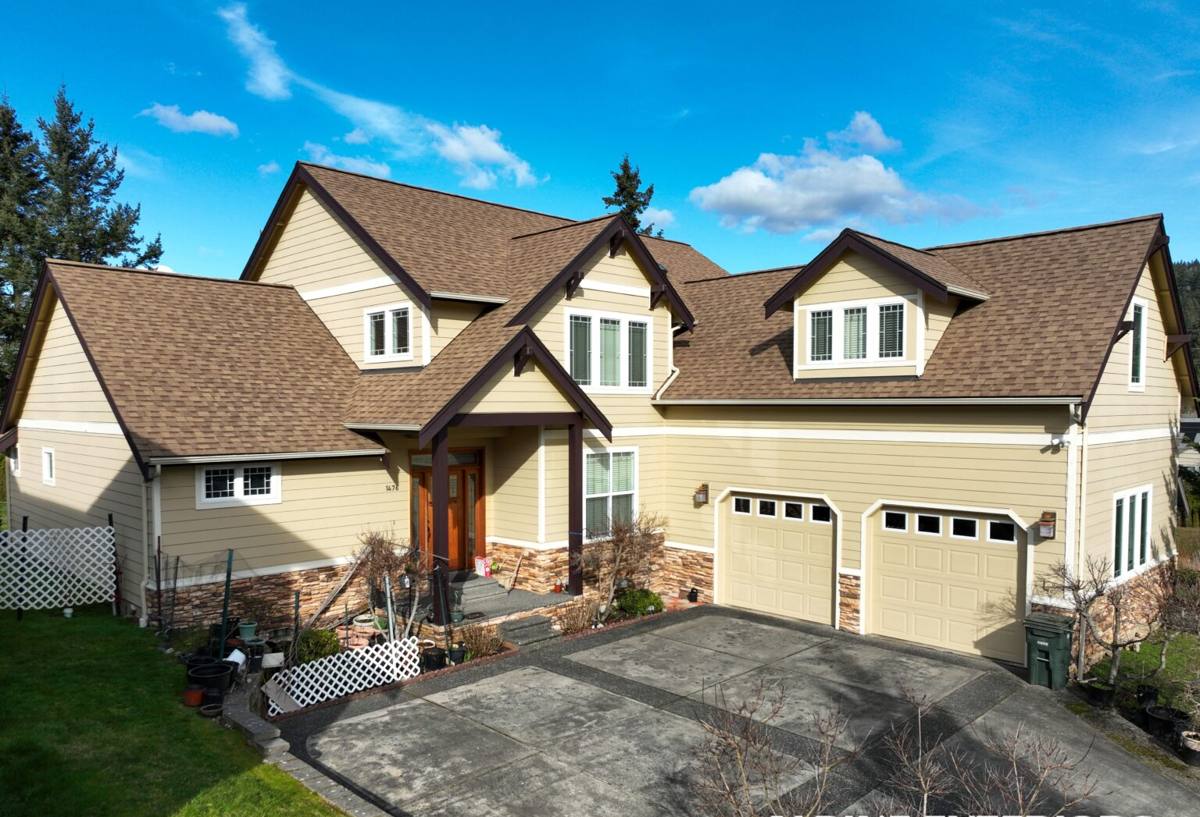
What Skyline's Climate Actually Does to a Roof
Salt Air and Coastal Exposure
Homes with unobstructed views toward the water also get unobstructed exposure to salt-laden air moving off Puget Sound. Over years, that air accelerates corrosion on any metal that isn't properly coated or isn't a metal that resists it well — fasteners, flashing, gutters, and lower-grade panel coatings are usually the first things to show it. This is the single biggest reason panel and fastener selection matters more in Skyline than it does for a roof a few miles inland.
Driving Rain and Wind-Driven Water
Elevated, exposed lots also mean wind-driven rain, not just straight-down rain. Water gets pushed sideways under laps, around penetrations, and into any seam that wasn't detailed for that kind of pressure. A roof that would shed water fine in a calm rain can leak in Skyline if the underlayment, flashing, and fastening details weren't built with wind-driven moisture in mind.
A Long Moss Season
Skagit County's wet season runs long, and shaded or north-facing roof sections stay damp for extended stretches. Moss and algae take hold wherever debris and moisture sit undisturbed. On composition roofing that means granule loss and mat degradation over time. Metal roofing doesn't feed moss growth the way organic shingle mat does, but debris still needs to be kept off it, and valleys still need to stay clear — metal reduces the problem, it doesn't eliminate the need for basic upkeep.
Why Metal Roofing Is a Strong Fit for Skyline Homes
Metal roofing isn't automatically the right choice for every home or every budget, but for the conditions Skyline homes face specifically, it addresses the three problems above better than most alternatives:
- Non-organic surface — nothing for moss or algae to root into, unlike shingle granules and mat
- Steep water-shedding profile — sheds wind-driven rain faster than low-slope or worn composition roofing
- Long service life against UV and weather cycling, when the coating and substrate are matched to a marine environment
- Lighter weight than tile, with less structural loading concern on older framing
The tradeoff is that metal roofing is unforgiving of poor installation. Panel expansion and contraction, fastener choice, and flashing detail all matter more with metal than with shingles, because there's no forgiving overlap of small individual pieces — a mistake in one panel run or one flashing detail can show up as a leak years later, often somewhere well away from where the actual error was made.
Comparing Common Metal Roofing Options for a Marine Climate
| Panel Type | Corrosion Resistance | Best Fit | Tradeoffs |
|---|---|---|---|
| Standing seam (concealed fastener) | Highest — no exposed fasteners for salt air to attack | Full water-facing exposure, long-term ownership | Higher material and labor cost, requires experienced crew |
| Exposed-fastener steel panel | Moderate — fasteners are the weak point over time | Budget-conscious projects, secondary structures | Fasteners need periodic inspection and eventual replacement |
| Stone-coated steel | Good, with proper coating and edge detailing | Homeowners wanting a shingle or shake look with metal durability | More complex flashing at penetrations and edges |
For homes with the most direct water exposure, we generally steer clients toward concealed-fastener standing seam specifically because it removes the recurring maintenance item — exposed fastener corrosion — that shows up fastest in salt air. That's a judgment based on how these systems age in this climate, not a claim that other panel types are poor products; exposed-fastener systems have their place, particularly on outbuildings or budget-limited re-roofs.
What a Correct Metal Roof Installation Involves
The panel is the visible part of a metal roof, but most of what determines whether it performs in Skyline's conditions happens underneath and around it.
Underlayment and Moisture Barrier
A high-quality synthetic or self-adhered underlayment matters more here than in drier parts of the state, since it's the backup layer that has to perform if wind-driven rain ever gets past the panel seams. Skimping here is one of the most common ways a metal roof leaks despite looking perfect from the ground.
Fasteners and Flashing Material
Fasteners and flashing need to be corrosion-rated to match the panel metal — mixing incompatible metals invites galvanic corrosion, which shows up as pitting and staining well before the panel itself would ever fail. In a salt-air environment, this detail is not optional.
Ventilation
Metal roofs need proper attic or roof-deck ventilation to manage condensation on the underside of the panels, especially through a long, damp Skagit County winter. Poor ventilation can cause moisture problems that have nothing to do with the roofing material itself and everything to do with how the assembly underneath was built.
Edge, Valley, and Penetration Detailing
Eaves, valleys, chimneys, vents, and skylights are where the large majority of roof leaks actually originate — on any roofing material, not just metal. Wind-driven rain finds these transition points first, so the flashing details at each one need to be built for lateral water pressure, not just water running straight down.
Our Process on Skyline Metal Roofing Projects
- On-site assessment — we look at existing roof condition, structure, ventilation, and how exposed the home is to wind and salt air off the water
- Panel and system recommendation — matched to the home's exposure level and the homeowner's budget, not a one-size answer
- Tear-off or overlay evaluation — whether the existing roof deck and layers can support a direct install or need to come off first
- Underlayment, flashing, and ventilation install — the layers that determine whether the roof actually performs in this climate
- Panel installation — with fastening and seam methods matched to the panel type and local wind exposure
- Final walkthrough — checking flashing, trim, and penetrations before we consider the job finished
What Drives Cost on a Skyline Metal Roof
| Factor | Why It Matters Here |
|---|---|
| Panel and coating system | Higher-grade coatings and standing seam cost more but resist salt air corrosion far longer |
| Roof complexity | Valleys, dormers, and multiple roof planes multiply flashing work and labor time |
| Tear-off vs. overlay | Removing old roofing and inspecting the deck adds cost but avoids trapping moisture problems |
| Access and site conditions | Steep pitches and elevated, wind-exposed sites take longer and require more safety setup |
| Ventilation upgrades | Older homes often need ventilation improvements to support a metal roof properly |
Because of these variables, a real number only comes from seeing the roof. Broadly, metal roofing costs more upfront than composition shingle, and the gap is largest with standing seam — but the trade is a system built to shed water and resist corrosion for decades rather than needing full replacement on a shingle timeline.
Maintaining a Metal Roof in a Marine Climate
Metal roofing is low-maintenance compared to other materials, but low-maintenance isn't no-maintenance, especially this close to the water. A short seasonal routine goes a long way:
- Clear debris from valleys and around penetrations before the wet season sets in
- Check gutters and downspouts for buildup that can back water up under the eave edge
- Look for staining or streaking at fastener heads or flashing seams, which can signal early corrosion
- Keep overhanging branches trimmed back to reduce debris load and shade-driven moisture retention
- Have flashing and sealant points inspected every few years, since these — not the panels — are where most metal roof issues start
Why Hiring a Crew That Already Works in Skyline Matters
A roofing crew that mostly works inland, drier neighborhoods can install a technically sound roof and still miss the details that matter specifically for wind-driven rain and salt air exposure — because those aren't problems they deal with every day. A crew that regularly works Skyline and similar water-facing Anacortes properties has already seen how these roofs age in this exact exposure, which fastener and flashing choices hold up, and where wind-driven leaks actually tend to originate on homes like yours. That kind of familiarity doesn't show up on a spec sheet, but it shows up in how the roof performs ten years in.
If you're weighing a metal roof for a Skyline home, we're happy to take a look and walk you through what your specific roof, exposure, and structure actually call for. Use the form below to request a free, no-pressure estimate.